
Sacramental theology delves into the significance and understanding of the sacraments as means of grace within the Christian faith. Rooted in biblical teaching, sacraments such as baptism and the Lord's Supper are not merely symbolic acts but are vital expressions of faith and obedience. In Matthew 28:19, Jesus commands His disciples to baptize in the name of the Father, Son, and Holy Spirit, highlighting the sacrament's importance in initiating believers into the community of faith. Furthermore, in Acts 2:38, Peter emphasizes the necessity of baptism for the remission of sins, affirming its role in the believer's spiritual journey. The Lord's Supper, instituted by Christ during the Last Supper, serves as a profound reminder of His sacrifice, as articulated in 1 Corinthians 11:24-25, where Paul recounts Jesus' words, "This is my body, which is for you; do this in remembrance of me." Through these sacred acts, believers participate in the mystery of faith, experiencing the grace of God in tangible ways. The visible church, as described in Ephesians 4:4-6, is called to uphold these sacraments, fostering unity and spiritual growth among its members, while also reflecting on the historical and theological implications of sacramental practices throughout church history.
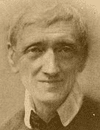
J.H. Newman preaches about the doctrine of Baptismal Regeneration, emphasizing that Baptism is not merely a symbolic act but a means of grace where the soul is admitted to the benefits of Christ's Atonement, including forgiveness of sin, reconciliation to God, and adoption into God's kingdom. The do
J.H. Newman preaches on the importance of recognizing that it is Jesus who chooses and ordains individuals for ministry, emphasizing the need to bring forth lasting fruit. He highlights the early Church's reliance on Apostolic succession and the significance of the ordination of Matthias. Newman str
J.H. Newman delves into the definition of sacraments, particularly focusing on the distinction between the five rites commonly called sacraments and the sacraments of the Gospel, such as Baptism and the Lord's Supper. He emphasizes that sacraments must have an outward sign ordained by God or Christ
J.H. Newman discusses the visible Church of CHRIST as a congregation of faithful men where the pure Word of GOD is preached and the Sacraments are duly administered, reflecting the One Holy Catholic Church diffused throughout the world. The Article describes the Catholic Church as a society of the f
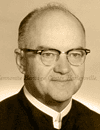
John Christian Wenger preaches about the Anabaptist belief in the church as the final goal of God's redemptive acts, viewing it as the Kingdom of the Messiah prophesied in the Old Testament. Anabaptists emphasized the church's freedom from state control, advocating for a free church where membership
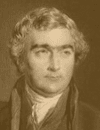
Joseph John Gurney preaches about the sacraments, emphasizing that the true sacraments in Christianity are spiritual in nature, such as the baptism of the Holy Spirit and the communion with Christ through faith. He refutes the Roman Catholic doctrine of transubstantiation, highlighting that the sacr

Leonard Verduin discusses the historical conflict between two delineations of the Church: one emphasizing personal faith as the basis for a confessional Church, and the other focusing on including all in a given locality. The Restitutionists in Hesse believed in a Church of regenerate Christians bor
Leonard Verduin delves into the clash between the Stepchildren of the Reformation and the Reformers, known as 'Sacramentarians,' highlighting the fundamental difference in conviction regarding the delineation of the Christian Church. The early Church emphasized preaching the Gospel and baptism for s
Leonard Verduin delves into the historical context of Sacramentarians and Restitutionists, highlighting the anti-Sacramentalism present in Europe before the Reformation. He explores the resistance against Sacramentalism and the emphasis on salvation through believing response to the preached Word ra
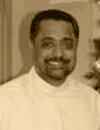
Rev. Manoj Mathews delves into the significance of the Liturgy of St. James the Just, tracing its origins to Bishop James of Jerusalem, the brother of Jesus. The liturgy serves a dual purpose of leading worshippers into a spiritual realm and conveying the message of salvation through human senses. D
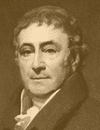
Robert Barclay addresses the assertions made by others regarding God's will being wholly committed to writing and the ceasing of former ways of revelation. He refutes these claims by examining various Scriptures, highlighting that the conclusions drawn are not logically sound. Additionally, he chall
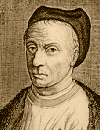
Thomas a Kempis, in 'The Disciple,' reflects on the profound invitation of Jesus to come to Him, receive His Body, and find rest for our weary souls. He contemplates on the contrast between the great devotion shown by biblical figures like Noah, Moses, and King David in preparing to honor God, and h

W.H. Griffith Thomas delves into the doctrine of the Lord's Supper, addressing the shifts in understanding that have occurred over the years within the Church of England. He emphasizes the importance of discerning the true essence of the doctrine as expressed in the Church's formularies and the Word
W.H. Griffith Thomas emphasizes the importance of understanding the teachings of the Church of England regarding the Lord's Supper, as outlined in the Prayer Book and Articles, to grasp its spiritual significance in worship and life. The sermon delves into the spiritual purpose, gift, effect, and bl