
In the Bible, the term "Scripture" primarily refers to the sacred writings that are considered authoritative and divinely inspired. In the Old Testament, the Hebrew term "Ketuvim" encompasses the Writings, which include various genres such as poetry, wisdom literature, and historical accounts. The New Testament builds upon this foundation, with "Scripture" often referring to the teachings of Jesus and the apostolic writings that convey the message of salvation through Christ. For example, in 2 Timothy 3:16-17, Paul states, "All Scripture is God-breathed and is useful for teaching, rebuking, correcting and training in righteousness," highlighting the belief in the divine origin and purpose of Scripture.Furthermore, "Scripture" serves not only as a historical record but also as a guide for faith and practice. In Luke 24:27, Jesus explains how the Scriptures point to Him, indicating that they reveal God's redemptive plan through history. This understanding of Scripture as both a historical document and a spiritual guide underscores its significance in shaping the beliefs and practices of the Christian faith. Thus, Scripture is viewed as the authoritative word of God, meant to instruct, encourage, and transform believers throughout their spiritual journey.

In this sermon, the speaker emphasizes the importance and permanence of scripture as the voice of God. He discusses the use of scripture, highlighting its profitability for doctrine, proof, correction, and instruction in ethical behavior. The speaker warns against relying on pious sentiment as a sub

In this sermon, the preacher emphasizes the concept of being bound by sin and the consequences of not repenting. He uses vivid imagery to describe the stench and bondage of sin, comparing it to a decaying corpse. The preacher warns that murderers should be bound to the corpses they have killed, caus
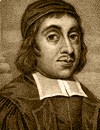
Thomas Watson emphasizes the significance of Scripture as both a mirror reflecting our sins and a fountain of Christ's blood that cleanses us. He urges believers to live according to the Word, highlighting that true faith is humble, willing, and leads to holiness. Watson warns against the dangers of

C.H. Spurgeon emphasizes the vastness and depth of the Scriptures, suggesting that while human writings often disappoint, the Bible is filled with profound revelations waiting to be discovered. He encourages believers to explore the hidden treasures within the Word of God, which contain insights and
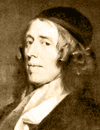
John Owen emphasizes that all truth about God and ourselves is found in the Scriptures, which reveal God's nature as an eternal and holy Spirit, the existence of one God in three persons, and His decrees and works. He explains that humanity fell from grace through sin, and the only way to redemption

Michael Koulianos emphasizes the transformative power of the blood of Jesus in his sermon 'The Stain of the Blood.' He illustrates the importance of turning to God and recognizing the weight of sin, which enslaves and deceives us. Koulianos passionately invites listeners to respond to God's love and

A.W. Pink emphasizes the significance of the Adamic Covenant, explaining that Adam served as the federal head and representative of all humanity. His actions in Eden, particularly his sin, had judicial consequences for his posterity, establishing a foundational understanding of sin and redemption. P

Shane Idleman delivers a powerful sermon titled 'The Day God Was Sorry,' emphasizing the pervasive wickedness of humanity and God's grief over sin. He reflects on the genealogies from Adam to Noah, illustrating how the increasing lifespan of man led to greater depravity. Idleman warns against the da

Thomas Brooks emphasizes that recognizing one's own sinfulness and wretchedness is essential for true godliness. He asserts that before one can seek the mercy of God, they must first acknowledge their dire state as children of wrath and enemies of God. The realization of being near to hell is the fi

Horatius Bonar emphasizes God's profound understanding of humanity, contrasting what we are with what we were meant to be. He asserts that God's testimony reveals man as a sinner, wholly corrupt and in need of redemption, highlighting that all have sinned and fall short of God's glory. Bonar explain