
Scripture sufficiency is a foundational doctrine that affirms the Bible as the complete and authoritative source for faith and practice. In 2 Timothy 3:16-17, Paul emphasizes that all Scripture is God-breathed and useful for teaching, rebuking, correcting, and training in righteousness, equipping believers for every good work. This underscores the belief that the Scriptures alone provide all that is necessary for spiritual growth and understanding. Jesus Himself affirms the sufficiency of God's Word in Matthew 4:4, stating, 'Man shall not live by bread alone, but by every word that comes from the mouth of God.' This highlights the necessity of Scripture as essential nourishment for the soul. Furthermore, in Hebrews 4:12, we see that the Word of God is alive and active, sharper than any double-edged sword, capable of penetrating the thoughts and attitudes of the heart. In contrast to human traditions, which can often lead to confusion and error, the Bible stands as the ultimate authority, as seen in Colossians 2:8, where believers are warned against being taken captive by hollow and deceptive philosophy. Ultimately, the sufficiency of Scripture assures us that through it, God has provided everything needed for salvation and godly living, guiding us in truth and righteousness.

Anton Bosch preaches on the non-negotiable essential of the completeness of Scripture in orthodox Christianity. He highlights how the Bible, with its 66 books, is the final revelation of God to man, and nothing should be added to or placed above it. Various groups, including cults, historic churches
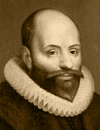
James Arminius preaches on the sufficiency and perfection of the Holy Scriptures in opposition to human traditions, emphasizing that all doctrines necessary for the salvation of the Church were delivered by the apostles over fifteen hundred years ago. He discusses Divine traditions and the opinion o