
Spiritual blindness in the Bible refers to a condition where individuals are unable to perceive or understand spiritual truths and realities due to sin, rebellion, or a lack of faith. This concept is often illustrated through the metaphor of physical blindness, where just as a blind person cannot see the world around them, a spiritually blind person cannot grasp the truth of God's Word or the significance of spiritual matters. Jesus frequently addressed this issue, particularly in the context of the Pharisees and religious leaders, who, despite their knowledge of Scripture, failed to recognize Him as the Messiah (John 9:39-41).In Ephesians 4:18, Paul describes the spiritually blind as those "having their understanding darkened, being alienated from the life of God through the ignorance that is in them, because of the blindness of their heart." This blindness is often the result of hardening one's heart against God, leading to a separation from Him (2 Corinthians 4:4). The remedy for spiritual blindness is found in repentance, faith in Christ, and the illumination of the Holy Spirit, which opens one's eyes to the truth (Acts 26:18). Thus, spiritual blindness signifies a profound disconnection from God's truth and a need for divine intervention to restore sight and understanding.

In this sermon, the speaker emphasizes that the coming of Jesus into the world brings about a division among people. He explains that encountering Jesus and his claims forces individuals to make a decision. The speaker uses the example of the Pharisees questioning their own blindness to illustrate h

In this sermon, the speaker, Charles Wesley, shares his personal testimony of being trapped in sin and darkness until he encountered the light of God's truth. He emphasizes the power of God's eye, which brought a quickening ray of light that broke through his blindness and bondage. Wesley describes

In this sermon, the preacher discusses the story of Saul of Tarsus, who was initially blinded by his religious zeal and desire for success. The preacher compares Saul to modern-day preachers who may be sincere in their aims and motives but are blinded by their own agendas. The preacher emphasizes th

In this sermon, the preacher criticizes TV channels that focus on serving the Lord for personal gain and comfort. He emphasizes the need for sacrificial living and making a difference in the world. The preacher highlights the corruption and filth in society, which people have come to accept as norma

A.W. Tozer addresses the peril of self-righteousness, emphasizing that individuals who fail to recognize their spiritual shortcomings may not be truly converted. He warns that some may be blinded by their own self-righteousness, making them impervious to the Holy Spirit's conviction, much like the P
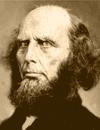
Charles Finney addresses the 'Hardness of Heart' in his sermon, emphasizing how the disciples, despite witnessing miracles, failed to understand due to their hardened hearts. He explains that hardness of heart is a voluntary state of mind, influenced by selfishness, which blinds individuals to truth

D.L. Moody shares a poignant story of a mother whose child is declared blind, illustrating the deep sorrow and anguish that accompanies such a loss. He emphasizes that while physical blindness is a tragic calamity, the loss of one's soul is far more devastating. Moody urges the audience to recognize
Charles Finney emphasizes the profound wisdom found in Proverbs, particularly the truth that the wicked stumble in darkness, unaware of their missteps. He explores the various ways in which sinners are blinded by self-will, ignorance, and prejudice, leading them to justify their actions while remain

T. Austin-Sparks addresses the theme of spiritual blindness, drawing parallels between the Israelites' inability to see God's glory in Moses and the contemporary struggle of unbelievers to perceive the light of the gospel. He emphasizes that this blindness is caused by the 'god of this age,' who see
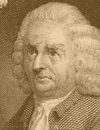
William Law addresses the fundamental errors in a recent theological treatise, emphasizing that the author's interpretation of the sacrament undermines core Christian doctrines. He argues that understanding the sacrament requires more than just the literal words of Christ; it necessitates a deeper c

John Gill emphasizes the critical importance of possessing virtues such as faith, knowledge, and charity, warning that those who lack these qualities are spiritually blind, despite any claims of enlightenment. He explains that such individuals do not truly know God or Christ, lacking genuine spiritu
John Gill emphasizes the spiritual peril of hatred towards others, explaining that those who harbor such feelings are enveloped in darkness and are unaware of their spiritual blindness. He illustrates how this darkness leads to a lack of discernment between good and evil, causing individuals to stum
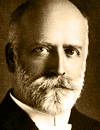
R.A. Torrey emphasizes the spiritual blindness of the Pharisees and Sadducees, who, despite witnessing Jesus' miracles, demanded further signs, revealing their hardened hearts. He contrasts this with the healing of a blind man in Bethsaida, illustrating how faith and the gradual revelation of truth

Chuck Smith discusses the tragic consequences of sin as illustrated in the life of Samson, emphasizing how sin blinds individuals to their true state, binds them in chains, and leads to a grinding existence devoid of joy. He explains that sin desensitizes the conscience, making it easier to indulge
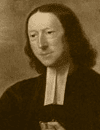
John Wesley emphasizes the importance of discerning the signs of the times, as illustrated in Matthew 16:3, where Jesus rebukes the Pharisees and Sadducees for their inability to recognize the coming of the Messiah despite clear signs. Wesley explains that the times of the Messiah were marked by pro
A.W. Tozer emphasizes the disparity between the widespread purchase of Bibles and the lack of genuine engagement and obedience to their teachings. He argues that mere admiration of the Bible's literary qualities is insufficient, likening it to someone reading life-saving instructions during a disast
T. Austin-Sparks emphasizes the contrast between human and religious blindness and the heavenly sight offered through Jesus Christ. He illustrates how the spiritual blindness of Israel reflects a broader human condition, where many fail to recognize the light of God in Christ. Sparks explains that J
T. Austin-Sparks emphasizes the profound difference between merely hearing the words of the prophets and truly understanding their significance, as illustrated by the tragic blindness of Israel to the presence of Jesus, the fulfillment of Isaiah's prophecies. He highlights three key factors leading

Thomas Brooks addresses the tragic rejection of Jesus by the Jews, emphasizing their persistent refusal to acknowledge their sin in crucifying the Lord of glory. He highlights the consequences of this rejection, including their suffering and scattering throughout history, and notes their continued a
John Gill expounds on 2 Peter 2:12, illustrating how certain individuals have descended to a level below that of animals, acting without reason and understanding. He emphasizes their moral corruption and the blindness that leads them to call good evil and evil good, likening them to brute beasts dri
R.A. Torrey explores the profound narrative of the healing of the man born blind in John 9, emphasizing the man's transformation from hopelessness to faith. He highlights how Jesus, moved by compassion, healed the man without waiting for a request, illustrating the importance of divine intervention

David Wilkerson addresses the destructive nature of pride and jealousy as idols that can harden the heart and blind individuals to their own sin. He emphasizes that the Holy Spirit persistently convicts believers of their sins with love and patience, but ignoring these warnings can lead to severe co

Zac Poonen emphasizes the spiritual blindness of the Pharisees, who, despite their extensive biblical knowledge, lack true revelation of spiritual truths. He warns that following such blind leaders can lead both them and their followers into spiritual peril. Poonen stresses the importance of choosin