
Spiritual dependence is a profound theme woven throughout Scripture, emphasizing the believer's reliance on God for strength, guidance, and sustenance. In John 15:5, Jesus articulates this truth when He declares, "I am the vine; you are the branches. He who abides in Me, and I in him, bears much fruit; for without Me you can do nothing." This highlights the necessity of remaining connected to Christ, as our spiritual vitality and effectiveness are wholly contingent upon His life flowing through us. Additionally, Psalms 37:5 encourages believers to "Commit your way to the Lord; trust in Him, and He will act," reminding us that our dependence on God is not passive but involves active trust and commitment to His will. As seen in 2 Chronicles 28-36, the history of Israel illustrates the consequences of turning away from God and the blessings that accompany a life lived in dependence on Him. The wilderness experiences, as discussed in sermons like "Walking Through the Wilderness!", further reveal that spiritual dependence often flourishes in times of trial, leading us to a deeper reliance on God's sufficiency. Ultimately, as we learn to wait on God, as encouraged in "Taking Time to Wait on God - Part 2," we discover that true strength is found in our weakness, echoing Paul’s words in 2 Corinthians 12:9, where he states, "My grace is sufficient for you, for My strength is made perfect in weakness." Embracing spiritual dependence transforms our relationship with God, leading us to a place of profound trust and reliance on His unfailing promises.

In this sermon, the speaker tells the story of Balaam and his donkey from the Bible. Balaam is tempted by the king's offer of wealth and power, but his donkey keeps veering off the path. Balaam beats the donkey multiple times until the donkey finally speaks up, questioning the fairness of the beatin

In this sermon, the speaker discusses the four main functions of a head in relation to the body. The first function is to receive input, where every part of the body has the right to communicate with the head. The second function is to make decisions, as the head decides what the body is to do. The

In this sermon, the speaker outlines the structure of the book of Romans and its message. The first seven chapters focus on the sufficiency of Christ in the believer's life. Chapters 8 and 9 highlight how Christ is sufficient through the believer, and the remaining chapters emphasize how Christ is a

James Smith preaches about the believer's journey through the world towards the promised rest, likening it to Israel's journey from Egypt to Canaan. He emphasizes the need to walk by faith, live in dependence on God, and be led by His wise and gracious hand through the barren, exhausting, and danger
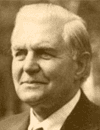
Major W. Ian Thomas emphasizes the contrast between living for oneself, which leads to walking in the flesh and being under the influence of the devil, versus living for Christ, which results in walking in the Spirit and being under God's dominion. He highlights that the difference lies not just in
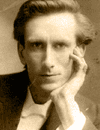
Oswald Chambers preaches on the importance of complete reliance on God, likening it to the unwavering focus of a servant on their master. He warns against the subtle shift from trusting in God to seeking validation from worldly opinions, which leads to doubt and spiritual leakage. Chambers emphasize