
Systematic theology serves as a vital framework for understanding the cohesive narrative of Scripture, allowing believers to explore the depths of God's revelation. It seeks to organize and articulate the doctrines of the Christian faith, as Paul encourages in 2 Timothy 2:15, urging believers to rightly divide the word of truth. Through systematic theology, we examine the nature of God, the person and work of Christ, the role of the Holy Spirit, and the significance of salvation, all of which are foundational to our faith. For instance, in Romans 5:8, we see the profound truth of God's love manifested in Christ's sacrificial death, which is essential for our understanding of atonement. Furthermore, systematic theology addresses eschatological views, such as the rise of posttribulational interpretation, guiding the church in its hope and expectation of Christ's return as affirmed in Revelation 22:12. As we delve into the teachings of influential theologians like Karl Barth, we are reminded of the importance of engaging with the Word of God, as Hebrews 4:12 illustrates its living and active nature. Ultimately, systematic theology invites believers to a deeper relationship with God, fostering a holistic understanding of His character and purposes as revealed throughout Scripture.
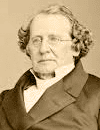
Charles Hodge emphasizes the importance of theology as a science, highlighting the need to understand the internal relations of biblical facts and the laws that govern them. He stresses the necessity for systematic theology to arrange, harmonize, and defend biblical truths, showing their consistency
Charles Hodge preaches about the nature of Theology, emphasizing that it is concerned with the facts and principles of the Bible, arranging them in their proper order and relation. The sermon delves into the definitions of Theology, highlighting its distinction as natural and revealed, and the impor

Greg Herrick delivers a sermon on the importance of transformative theology, emphasizing the need for evangelicals to engage in critical thinking and reflection to combat the 'ghost mind' prevalent in the community. The sermon explores various definitions and goals of theology, highlighting the diff
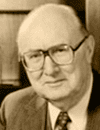
John F. Walvoord discusses the development of systematic theology in the history of the church, focusing on the controversies and major divisions that have shaped theological understanding. He highlights the early theological controversies related to the Scriptures, the doctrine of the Trinity, the
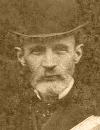
Olin Alfred Curtis preaches on the challenges of truly understanding and practicing the theology of Christ, emphasizing the importance of not taking shortcuts to belief out of fear or convenience, as it leads to a shallow end of Christianity. He highlights the necessity of systematic theology in con

Ron Bailey delves into the complexities of Karl Barth's philosophical approach to theology, highlighting Barth's emphasis on dialectic as the only way to discuss God and his unique perspective on the Bible as a witness to God's truth rather than the actual revelation. Bailey explores Barth's influen