
In the Bible, "teaching" holds significant theological and practical implications, emphasizing the transmission of knowledge, wisdom, and moral principles. The Hebrew word for teaching, "לָמַד" (lamad), appears frequently in the Old Testament, often in the context of instructing children in the ways of God (Proverbs 22:6). In the New Testament, the Greek word "διδάσκειν" (didaskō) is used, which translates to "to teach" or "to instruct" and is associated with the ministry of Jesus and the apostles (Matthew 28:19-20; Acts 2:42). Teaching in the biblical context is not merely about imparting information but fostering a relationship with God and encouraging moral and ethical living grounded in Scripture.Teaching is also seen as a spiritual gift within the body of Christ (Romans 12:7; Ephesians 4:11), where individuals are called to equip others for ministry through sound doctrine and practical application. This highlights the communal aspect of teaching, as believers are encouraged to share their knowledge and experiences in faith. Moreover, James 3:1 warns that those who teach will be judged more strictly, underscoring the responsibility that comes with the role. In essence, biblical teaching aims to cultivate a deeper understanding of God's Word, fostering spiritual growth and a commitment to live out one's faith in everyday life.

Paul Washer emphasizes the significance of the second coming of Christ as described in 1 Thessalonians 4:16-18, highlighting the joy and hope it brings to believers while also warning of the seriousness of being unprepared. He explains that Christ will descend with authority, and the dead in Christ

In this sermon, the speaker discusses the early Christians who faced persecution but chose to trust in God and were filled with joy. The speaker compares these early Christians to fashion models on the runway, highlighting their dedication and commitment. The sermon emphasizes the importance of labo
In this sermon, the preacher emphasizes the importance of being prepared for the day of the Lord's coming. He references 2 Peter 3:10 and Revelation 16:15 to highlight the suddenness and urgency of this event. The preacher encourages believers to discipline themselves by regularly listening to the W
In this sermon, the speaker emphasizes the importance of understanding our identity as believers and living in accordance with it. He encourages listeners to stand upon the promises of God and press on in their pursuit of holiness and righteousness. The speaker warns against complacency and urges be

In this sermon, Reverend Paris Readhead emphasizes the importance of Christianity on Christ's terms. He urges the audience to consider the saying that not everyone talking about heaven will actually go there. To ensure one's place in heaven, Reverend Readhead provides four scripture verses for the a

In this sermon, the preacher emphasizes the importance of revelation from God. He explains that revelation brings understanding and excitement, but also carries a great responsibility. The preacher uses the analogy of receiving a baby in one's home to illustrate the impact of revelation on a person'

In this sermon, the preacher discusses the concept of appearance and manifestation. He uses the example of a soldier returning home to his wife and children, emphasizing the anticipation and expectation of his appearance. The preacher then relates this to the reading of Scriptures, highlighting the
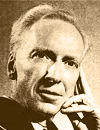
In this sermon, the speaker discusses the prophecies in the Bible about Jesus' first coming. He highlights Zechariah's prophecy about the shepherd being smitten and the sheep being scattered, which was fulfilled when Jesus was arrested and his disciples abandoned him. The speaker also mentions the p

In this sermon, the preacher emphasizes the importance of being ready for the coming of Jesus Christ. He uses the analogy of two men on a hill, where one disappears and the other is left standing still, to illustrate the suddenness of Christ's return. The preacher urges the audience, both believers
In this sermon, the speaker shares a personal story about his mother's inability to read and his father's insistence on her reading highlighted verses about hell and judgment. The speaker expresses his frustration and concern for his mother's well-being. He then transitions to discussing a tragic ev