
The biblical concept of "The Church as Christ's House" is rooted in the idea that the community of believers is the dwelling place of God, as expressed in 1 Timothy 3:15, which describes the church as "the house of God, which is the church of the living God." This notion is further reinforced in Hebrews 3:6, where believers are encouraged to hold fast to their confidence in Christ, who is the foundation of the house of God. As Psalms 23:1 reminds us, "The Lord is my shepherd, I lack nothing," emphasizing the church's role as a place of spiritual nourishment and guidance under Christ's leadership, and in 1 Peter 2:5, believers are called "living stones" being built into a spiritual house, highlighting the church's identity as a sacred and unified community. Through this understanding, Christians recognize their shared identity as members of Christ's household, called to worship, serve, and glorify God together.

Robert Murray M'Cheyne emphasizes that the Church is Christ's house, built on Him as the foundation and crafted by His hands. He illustrates that every believer is a stone in this house, called to serve and work for Christ, as all Christians have specific roles assigned to them. M'Cheyne reminds us

Phil Beach Jr. emphasizes God's process for building sons, highlighting the importance of remaining vigilant and not becoming complacent amidst life's challenges. He draws parallels between Isaac's journey and our own spiritual growth, stressing that God desires a personal relationship with each of
Phil Beach Jr. emphasizes the urgent need for spiritual awakening in his sermon 'Awake Thou That Sleepest - the Snare of Sleepiness.' He warns that the love of many can grow cold due to the abounding iniquity in the world, leading to spiritual sleepiness that can ensnare believers. Beach encourages

Erlo Stegen emphasizes the critical importance of both watching and praying to overcome temptation, as highlighted in Matthew 26:41. He warns that neglecting to watch can lead to spiritual downfall, using the example of Peter and the relentless nature of Satan, who seeks to devour believers. Stegen

Art Katz addresses the alarming rise of anti-Semitism, which he describes as 'the new anti-Semitism,' highlighting its resurgence in mainstream society, including universities and social movements. He notes that this form of anti-Semitism is not only more widespread but also more accepted, with indi

Chuck Smith discusses the signs of the times as outlined in Matthew 24, drawing parallels between current global crises such as wars, famines, and pestilence with the days of Noah. He emphasizes the moral decline and increase in crime, referencing the alarming statistics of armed criminals in the U.
Erlo Stegen emphasizes the importance of finishing well in his sermon 'Ending Well', using the life of King Hezekiah as a cautionary tale. Hezekiah started his reign with great zeal for God, cleaning the temple and trusting in God's deliverance against Sennacherib. However, pride crept in towards th

A.W. Tozer addresses the sources of danger in the Christian life, emphasizing that dangers arise from the world, the devil, and our own unmodified flesh. He explains that the world represents society organized outside of God's will, which poses a threat to the soul. Tozer warns against the subtlety
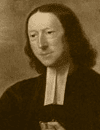
John Wesley explains Matthew 24, emphasizing the prophetic warnings Jesus gave about the destruction of the temple and the signs of His second coming. He highlights the importance of vigilance against deception from false prophets and the need for believers to endure through tribulations. Wesley not

Charles Finney emphasizes that salvation is conditional and warns against overconfidence in one's spiritual state. He explains that believing one is secure in their salvation can lead to complacency and eventual fall into sin. Finney stresses the necessity of continuous vigilance, reliance on God's