
The Church's Influence is a pivotal concept in the Christian faith, as it embodies the idea that the body of believers has a profound impact on the world around them. According to Matthew 5:13-14, Christians are called to be the "salt of the earth" and the "light of the world," illuminating the path for others and preserving the moral fabric of society. As Ephesians 4:16 notes, the Church is to be a unified and harmonious entity, with each member working together to build one another up in love and faith, ultimately extending God's love to a broader audience, as seen in Jesus' command to "love your neighbor as yourself" (Mark 12:31). Through its collective influence, the Church strives to reflect the character of God, as described in Psalms 23:1, where God is depicted as the shepherd who guides and cares for his people.

T. Austin-Sparks emphasizes the church's relationship with the world, highlighting that the world is inherently hostile to God and that Christians must overcome its influence. He explains that the 'world' refers not to the physical realm or people, but to a nature and system that opposes God, which

Vance Havner addresses the concept of worldliness in his sermon, emphasizing the teachings of John 17, where Jesus speaks about the relationship between believers and the world. He highlights the need for Christians to be sanctified and to find joy in their separation from worldly influences, while

Jason Robinson emphasizes the necessity for the church to come out of worldly influences and to embody a distinct lifestyle that reflects Christ. He discusses the importance of meaningful relationships within the church, urging believers to separate themselves from cultural norms that conflict with

J.C. Ryle emphasizes the critical duty of Christians to separate themselves from the world, as highlighted in 2 Corinthians 6:17. He warns that the world poses a significant danger to the soul and that true Christians, transformed by the Spirit, will strive to live a life distinct from worldly influ
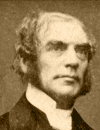
Octavius Winslow emphasizes the necessity of separation from the ungodly world, urging believers to recognize their distinct identity as God's chosen people. He highlights that while Christians live in the world, they must not conform to its values or practices, as true discipleship requires a marke

Shane Idleman emphasizes the call to holiness in his sermon 'Come Out From Among Them,' urging believers to separate themselves from worldly influences and to embody genuine faith through obedience to God's word. He explains that true holiness is a matter of the heart, not merely external appearance

Watchman Nee emphasizes the necessity of separation from the world and dedication to God as foundational principles of Christian living. He illustrates the stark contrast between Babylon, representing worldly values, and the New Jerusalem, symbolizing holiness and divine purpose. Nee argues that tru

A.W. Tozer addresses the issue of the 'static Christian,' emphasizing the need for believers to move beyond a stagnant faith and pursue a deeper spiritual life. He highlights that true progress requires a complete forsaking of worldly influences and a wholehearted turning to Jesus Christ. Tozer argu
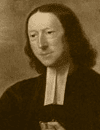
John Wesley emphasizes the danger of friendship with the world, warning that such relationships can lead to spiritual decay and enmity with God. He explains that true friendship with the world is akin to spiritual adultery, as it distracts believers from their commitment to God and can lead to a dec

Andrew Murray emphasizes that true discipleship requires a complete separation from the world, as exemplified by the cross of Christ. He highlights that the power of the disciple, like that of Paul, comes from being crucified to the world and not seeking its approval. The sermon stresses that as bel