
The biblical topic of "The Cross and Self" revolves around the idea that a Christian's identity and purpose are deeply rooted in the sacrifice of Jesus Christ on the cross, as seen in Romans 8:28, where it is written that "all things work together for good to them that love God." This concept is further emphasized in Galatians 2:20, which states that a believer's life is no longer their own, but rather "Christ liveth in me," signifying a profound transformation of the self through faith in Jesus. As Psalms 23:1 reminds us, "the Lord is my shepherd," guiding and directing the believer's path, the cross serves as a symbol of redemption and self-denial, leading to a deeper understanding of one's identity and purpose in relation to God, as exemplified in Matthew 16:24, where Jesus instructs his followers to "take up their cross" and follow him. Through this lens, the cross represents a call to surrender and selflessness, enabling believers to find their true selves in Christ.

Art Katz emphasizes the significance of the rending of the veil at Jesus' crucifixion, which opened the way for all believers to access the holiest place and commune with God. He challenges the congregation to recognize the self-imposed veils in their lives that hinder their relationship with God, u

Andrew Murray emphasizes the profound privilege of entering 'The Holiest' through the blood of Jesus, highlighting that this access is a gift of grace that allows believers to dwell in God's presence. He explains that the way into this sacred space is made possible by Christ's sacrifice, which not o

C.H. Spurgeon emphasizes the profound significance of the temple veil being torn at Jesus' death, illustrating the end of the old law and the fulfillment of sacrifices in Christ. This miraculous event not only signifies the abolishment of the annual atonement but also reveals the mercy-seat and the

David Wilkerson emphasizes the profound truth that believers have been granted the same glory that Jesus received from the Father, which is the unimpeded access to God. This access allows us to approach the Father boldly and confidently, unlike Esther who had to wait for the king's approval. Through
David Wilkerson emphasizes the dual benefits of Christ's work at Calvary, highlighting that while believers often focus on the forgiveness and grace provided to humanity, there is also a profound benefit to God. The cross not only grants sinners access to forgiveness and eternal life but also brings
David Wilkerson emphasizes that the cross of Christ has opened a direct path for humanity to access God's presence, marking a pivotal moment in history when the temple veil was torn. This act not only allowed people to approach God but also signified God's initiative to reach out to humanity, breaki

John Nelson Darby explores the significance of the tabernacle as a divine pattern reflecting heavenly realities, emphasizing that the tabernacle serves as a shadow of good things to come, revealing God's relationship with humanity through the law and priesthood. He highlights the contrast between th

A.W. Pink emphasizes the critical nature of our approach to God, highlighting the confusion surrounding access due to sin and the necessity of a mediator, Jesus Christ. He explains that while sin separates us from God, access is granted through Christ's sacrifice and the work of the Holy Spirit. Pin

F.B. Meyer explores the profound question of who can stand before God, emphasizing the vast chasm between human frailty and divine holiness. He illustrates that if one cannot withstand the presence of earthly creatures, how much more should one fear standing before the Creator. However, through Jesu
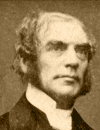
Octavius Winslow emphasizes the divine nature of faith as a gift from God, highlighting that it is not earned or created by human effort. He reassures believers of Christ's unwavering faithfulness and truth, encouraging them to trust in His promises without doubt. Winslow explains that through Chris