
The Danger of Selective Belief is a biblical concept that warns against picking and choosing which aspects of scripture to follow, rather than embracing the entirety of God's word. As Jesus cautioned in Matthew 4:4, "Man shall not live by bread alone, but by every word that proceeds out of the mouth of God," emphasizing the importance of submitting to the full counsel of God. The apostle Paul also addressed this issue in Romans 8:28, where he assured believers that all things work together for good, but this promise is contingent upon trusting in God's sovereignty and not selectively dismissing difficult or uncomfortable truths. By contrast, embracing the whole of scripture, as encouraged in Psalms 119:160, allows believers to experience the fullness of God's wisdom and guidance in their lives.

A.W. Pink addresses the concept of 'Christian Fools,' emphasizing that many believers, like the disciples on the road to Emmaus, selectively accept parts of God's truth while rejecting others that challenge their understanding. He highlights the danger of relying on human logic over faith, leading t
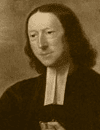
John Wesley preaches on the Trinity, emphasizing that true religion is not merely about holding correct opinions but about a vital relationship with God. He argues that the doctrine of the Trinity, as stated in 1 John 5:7, is essential to understanding the nature of God and the Christian faith. Wesl

John Gill addresses the controversy surrounding infant baptism, responding to Peter Clark's defense of its divine right. He argues that infant baptism is an unscriptural practice rooted in tradition rather than biblical mandate, asserting that true baptism should be reserved for believers who can pr

R.A. Torrey emphasizes the spiritual blindness of the Pharisees and Sadducees, who, despite witnessing Jesus' miracles, demanded further signs, revealing their hardened hearts. He contrasts this with the healing of a blind man in Bethsaida, illustrating how faith and the gradual revelation of truth

Andrew Murray emphasizes that God is the essence of love, demonstrating His selflessness by continually giving to His creation. He illustrates how God's love is evident in nature and in the divine relationship within the Trinity, where the Father, Son, and Holy Spirit embody and express love. Murray

C.H. Spurgeon emphasizes the profound truth of the Trinity and the believer's adoption as children of God, highlighting the distinct roles of the Father, Son, and Holy Spirit in our salvation. He explains that through faith, believers receive the Spirit of God, which enables them to cry out 'Abba, F

A.W. Tozer emphasizes the profound truth of the Trinity, expressing that his deepening understanding of the Bible reinforces his belief in the triune God. He reflects on the seraphim's worship in Isaiah's vision, pondering why past saints did not recognize the Trinity from their chorus of 'Holy! Hol

D.L. Moody emphasizes the distinct personalities within the Godhead--Father, Son, and Holy Spirit--highlighting their unity and individual roles in the divine plan. He explains that while the Father plans, the Son executes, and the Holy Spirit applies, they work together in perfect harmony. Moody as

G.W. North emphasizes the transformative nature of baptism in the New Covenant, explaining that the apostles, after Jesus' resurrection, were commanded to baptize in the name of the Father, Son, and Holy Spirit, reflecting a deeper understanding of the Godhead. He highlights that this new baptism re
John Gill emphasizes the profound complacency and delight that God experienced within Himself and among the divine Persons before the creation of any beings. He explains that God's happiness is complete and self-sufficient, independent of creation, and that His eternal purposes and the mutual deligh