
The concept of the "Image of God" is a foundational theme in the Bible, particularly in the book of Genesis, where it is stated that God created humanity "in His own image" (Genesis 1:27). This notion implies that human beings possess inherent dignity, value, and a unique capacity for relationship with their Creator, as echoed in Psalms 8:5, which declares that God has crowned humanity "with glory and honor." The image of God is also closely tied to the Christian notion of redemption, as seen in Colossians 3:10, where believers are said to be renewed in the image of their Creator through their faith in Jesus Christ. Through this doctrine, the Bible underscores the profound significance and worth of every human life, created to reflect and glorify God.
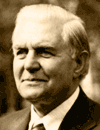
Major Ian Thomas emphasizes that Jesus Christ is the image of the invisible God, highlighting that His life was a derived life, fully dependent on the Father. He explains that true righteousness comes from allowing Christ to live through us, making us vessels of His divine action. Thomas stresses th
Major Ian Thomas emphasizes the transformative power of recognizing Christ's resurrection in the life of believers, particularly through the experience of Peter. He illustrates how Peter's denial and subsequent conversion led to a profound understanding of the necessity of Christ's sacrifice and the
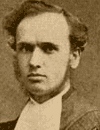
A.B. Simpson emphasizes the centrality of Christ in the book of Colossians, portraying Him as the preeminent figure in all aspects of life, creation, providence, truth, redemption, and the believer's life. He illustrates that Christ is the fullness of God and the source of wisdom and knowledge, urgi
Major Ian Thomas emphasizes the concept of living the impossible life through the indwelling of Christ, explaining that true life comes from being spiritually alive in Him. He discusses the significance of Christ's death and resurrection, highlighting that believers are not only forgiven but also em
Major Ian Thomas emphasizes the concept of 'The Divine Logic,' illustrating how Jesus, while fully God, lived as a perfect man to demonstrate what humanity should be. He explains that God's demands on man are logical from His perspective, as He empowers us to fulfill them through His presence within

A.W. Tozer explores the concept of 'Glorious Contradictions' in the Christian life, emphasizing how believers embody paradoxes that reflect their faith. He illustrates that Christians are both dead and alive, strong in weakness, and find true life through self-denial. Tozer points out that genuine f
Major Ian Thomas emphasizes that the call to a righteous life is not a burden of self-effort but a divine enablement through Christ. He explains that by trusting in Christ, believers can experience a supernatural life where God works through them, freeing them from self-distrust and the fear of othe
Major Ian Thomas shares his testimony of spiritual exhaustion and despair at the age of nineteen, where he realized that despite his sincere efforts to serve God, he was failing because he was trying to live for Christ instead of allowing Christ to live through him. In a moment of surrender, he unde
A.B. Simpson emphasizes the profound truth of relying on God's strength rather than our own, as illustrated by Paul's experience of drawing life from Christ, who overcame death. He highlights the significance of being members of Christ's body, which serves as a source of divine strength and vitality
Major Ian Thomas emphasizes that living the Christian life is impossible without Christ, as true Christian living cannot be explained by human attributes or efforts. He argues that if one's life can be explained by personal qualities rather than the transformative power of Jesus, then it lacks the r