
The Last Supper, as recorded in the New Testament, is a pivotal event in the life of Jesus Christ, marking the institution of the Eucharist, or Holy Communion, where Jesus shares a final meal with his twelve apostles before his betrayal and crucifixion (Luke 22:7-20, Matthew 26:26-30). During this gathering, Jesus establishes the sacrament of communion, declaring "this cup is the new covenant in my blood, which is shed for you" (Luke 22:20), symbolizing the sacrifice he would make for the redemption of humanity. As Jesus breaks bread and distributes the cup, he commands his disciples to "do this in remembrance of me" (1 Corinthians 11:24-25), emphasizing the importance of commemorating his sacrifice and anticipating his future return. This sacred event is deeply rooted in Christian faith, serving as a powerful reminder of Jesus' love and sacrifice, as expressed in John 15:13, "greater love has no one than this: to lay down one's life for one's friends."
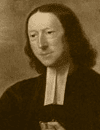
John Wesley expounds on Matthew 26, detailing the events leading to Jesus' crucifixion, including the Last Supper and Judas' betrayal. He emphasizes the significance of the Passover meal, where Jesus transforms the bread and wine into symbols of His body and blood, establishing a new covenant. Wesle

G.W. North emphasizes the significance of the Last Supper, where Jesus instituted the Breaking of Bread as a deeply intimate and meaningful ordinance. He highlights the simplicity of the act, where Jesus took bread and wine, transforming an ordinary meal into a profound expression of love, unity, an

Chuck Smith explores the significance of the Last Supper, emphasizing the new meaning of the bread and cup as a remembrance of Jesus' sacrifice. He reflects on Jesus' anguish in the Garden of Gethsemane, where He wished for the cup of suffering to pass but ultimately accepted it as the only path to

In this sermon, the speaker uses a hypothetical scenario of having the President of the United States visit your house to illustrate the importance of sharing the gospel. The speaker emphasizes the need to share the message of salvation with others, just as one would eagerly share the news of a visi

In this sermon, the speaker welcomes the audience to a communion service and emphasizes the importance of worshiping God with thanksgiving and music. The speaker highlights the need for both clean hands and a pure heart for admission to heaven, but also emphasizes the importance of having dirty hand

In this sermon, the preacher discusses the concept of God's judgment and how it is different from condemnation. He uses the analogy of two boys playing in a backyard, where one boy is disciplined by his father while the other boy is sent home to his own father. The preacher then refers to the book o

In this sermon, the preacher emphasizes the love of God towards believers. He explains that God's love for us is not based on our own goodness or worthiness, but rather on His own grace and sovereignty. The preacher highlights that God's love is demonstrated through His calling us into fellowship wi

In this sermon, the speaker emphasizes the inadequacy of human language to describe the depth and significance of the preaching of the word of God. The sermon focuses on four aspects of this truth as found in the Philippian epistle. The first aspect is the fellowship of the gospel, which goes beyond

In this sermon, the preacher emphasizes the importance of being present when significant events occur in relation to the return of Jesus Christ. He contrasts the reactions of those who will wail and be filled with fear when they see Jesus coming in the clouds, with the hope and transformation that b

In this sermon, the preacher emphasizes the importance of recognizing ourselves as servants of Christ and stewards of God's mysteries. He mentions the early church's practice of kissing one another as a symbol of unity and emphasizes the need for believers to be united as one body. The preacher also