
The Lord's Prayer, found in Matthew 6:9-13 and Luke 11:2-4, serves as a model for Christian prayer and encapsulates core principles of faith and devotion. In Matthew, Jesus begins by addressing God as "Our Father," emphasizing the relational aspect of prayer and the communal nature of faith, indicating that believers are part of a larger family under God's care. The prayer invokes reverence for God's holiness ("hallowed be Your name") and expresses a desire for His kingdom to come and His will to be done on earth as it is in heaven, reflecting the ultimate goal of aligning human actions with divine purpose (Matthew 6:10).The Lord's Prayer also includes petitions for daily sustenance ("give us this day our daily bread"), forgiveness ("forgive us our debts, as we also have forgiven our debtors"), and guidance in times of trial ("lead us not into temptation, but deliver us from evil"). This structure highlights the importance of dependence on God for both physical and spiritual needs, as well as the necessity of forgiving others, which is further emphasized in Matthew 6:14-15. Overall, the Lord's Prayer encapsulates a holistic approach to life in faith, underscoring themes of dependence, community, forgiveness, and the pursuit of God's will.

In this sermon, the speaker emphasizes the importance of receiving and embracing the message of the Lord. He mentions his responsibility to bring the message to the congregation in two meetings on the Lord's day morning. The speaker also discusses the concept of being lost again and warns against do
In this sermon, the preacher discusses the model of prayer that Jesus taught his disciples. He emphasizes the importance of understanding the true meaning behind the words of the prayer, rather than simply memorizing them. The preacher highlights the four petitions in the Lord's Prayer: acknowledgin

John Gill emphasizes the significance of the Lord's Prayer as a comprehensive guide for prayer, illustrating its structure and the importance of each petition. He explains that the prayer serves not as a rigid formula but as a model that encapsulates the essence of prayer, urging believers to approa

J.R. Miller emphasizes the profound significance of the Lord's Prayer, urging believers to approach God as their Father and to prioritize the hallowing of His name above personal requests. He explains that true prayer involves a deep communion with God, where the focus is on glorifying Him and seeki
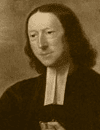
John Wesley emphasizes the importance of sincerity in giving, praying, and fasting, urging believers to perform these acts not for the praise of men but for the glory of God. He explains that true acts of mercy and piety must stem from a pure intention, as God rewards those who serve Him in secret.

In this sermon transcript, the speaker begins by describing a greasy and oily object that was disposed of outside, attracting four-footed friends. The speaker then comments on the larger audience present compared to when they arrived, suggesting that the audience is happier to see them leave. The sp
Favell Lee Mortimer delves into the profound meaning of the Lord's Prayer, emphasizing the significance of each phrase and the heartfelt sincerity required in its recitation. The prayer serves as a model for believers, guiding them on how to approach God and what petitions to bring before Him. It hi
Timothy Tow preaches on the significance of the Lord's Prayer, emphasizing its importance as a model prayer that teaches believers how and what to pray. He addresses the controversy of its recitation in worship, highlighting the power of the words in subduing hearts and fostering forgiveness and hum
Walter Beuttler delves into the essence of prayer as taught by Jesus, emphasizing the need for sincere and humble communication with God. He explores the different types of prayers highlighted in Luke 11:1 and Matthew 6:5-8, distinguishing between the hypocrite's prayer, the heathen's prayer, and th

J. Glyn Owen preaches on Abram's return from rebellion, emphasizing the importance of communion with God after a period of spiritual wandering. He illustrates Abram's journey back to the land promised by God, highlighting the need for resolution and separation from distractions, particularly his nep