
The Power of the Blood is a fundamental concept in Christian theology, rooted in the Bible's portrayal of blood as a symbol of life, sacrifice, and redemption. According to Scripture, the blood of Jesus Christ has the power to cleanse and redeem humanity from sin, as expressed in Hebrews 9:22, which states that "without the shedding of blood, there is no forgiveness." This idea is further reinforced in Revelation 12:11, where believers are said to have "overcome" Satan by the blood of the Lamb, and in Ephesians 1:7, which affirms that believers have redemption through Christ's blood, the forgiveness of sins. Through the power of the blood, Christians are able to experience forgiveness, healing, and salvation, and it remains a central aspect of Christian worship and devotion.

Bob Sorge emphasizes the transformative power of the blood of Jesus in his sermon 'Sprinkled by the Blood.' He shares his personal journey of seeking God amidst struggles, highlighting that true intimacy with God is achieved through faith in Christ's sacrifice. Sorge illustrates how believers can bo
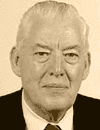
Ian Paisley emphasizes the significance of the blood of the Lamb in his sermon 'Communion', drawing parallels between the Passover in Egypt and the sacrifice of Jesus Christ. He highlights that the blood was preserved and powerful, serving as a protection for the Israelites and symbolizing the ultim

T.J. Malcangi emphasizes the transformative power of the blood of Jesus, explaining that it addresses the spiritual roots of sin, sickness, and curses in our lives. He highlights that through Christ's sacrifice, believers are not only forgiven but also empowered to break free from the bondage of sin

Michael Koulianos emphasizes the significance of the blood of Jesus in his sermon 'The Blood Speaks,' highlighting that it speaks of redemption, worthiness, and our identity as a kingdom of priests. He encourages believers to embrace the lifestyle of the cross, which involves daily surrendering to G

Phil Beach Jr. emphasizes the unparalleled significance of the blood of Jesus Christ in the Christian faith, asserting that it is the only means by which humanity can be reconciled to God. He explains that the blood shed on Calvary serves as the propitiation for our sins, providing redemption and ac

Andrew Murray emphasizes the profound victory achieved through the blood of the Lamb, illustrating the eternal conflict between good and evil, culminating in Christ's resurrection which defeated Satan. He explains that while the initial victory was won at the cross, believers are called to engage in

Horatius Bonar emphasizes the profound significance of the blood of the Lamb in his sermon, illustrating how it serves as the foundation for victory over sin and death. He explains that the blood symbolizes life, atonement, redemption, and the means by which believers are brought near to God, cleans
Andrew Murray emphasizes the centrality of the blood of Jesus in Scripture, illustrating its significance from the Old Testament through the teachings of Jesus and the Apostles, culminating in the Book of Revelation. He highlights that the blood is essential for redemption, forgiveness, and fellowsh
Andrew Murray emphasizes the profound privilege of entering 'The Holiest' through the blood of Jesus, highlighting that this access is a gift of grace that allows believers to dwell in God's presence. He explains that the way into this sacred space is made possible by Christ's sacrifice, which not o
Andrew Murray emphasizes that God's only means of addressing sin and delivering sinners is through the blood of Jesus. He explains that the blood signifies profound grace, encompassing the Incarnation, sacrificial love, righteousness, and substitution, which together facilitate atonement and justifi

David Wilkerson emphasizes the significance of not just knowing about the blood of Jesus that was shed, but understanding its power when it is sprinkled. He draws a parallel between the Israelites' use of lamb's blood during Passover and the blood of Christ, explaining that the blood must be applied

T. Austin-Sparks emphasizes the significance of corporate oneness among God's people, illustrated through the Feasts of the Lord in Leviticus. He explains that these feasts represent a covenant in life by blood, the elimination of the flesh, and the resurrection power of Christ, which are essential
T. Austin-Sparks emphasizes the profound significance of the phrase 'because of the blood of the Lamb' from Revelation 12:11, illustrating how the blood of Jesus represents absolute sinlessness and serves as the foundation for victory over the adversary. He draws parallels between the man-child in R
Andrew Murray emphasizes the profound significance of the blood of the Lamb in granting believers access to heavenly joy. He explains that the blood not only provides the right to enter heaven but also prepares believers to enjoy its blessings and inspires the eternal song of praise in heaven. The s
David Wilkerson emphasizes that the blood of Jesus is the most precious gift from God to His church, yet many Christians fail to grasp its true value and significance. While believers often sing about the power of the blood, they may not fully understand its benefits beyond forgiveness, such as rede

Roy Hession emphasizes the transformative power of the Blood of the Lamb, which cleanses sin and enables believers to walk in victorious fellowship with God. He explains that the Blood's power comes from the lamb-like disposition of Jesus, who exemplified humility and self-surrender. To experience t

Hans R. Waldvogel emphasizes the critical decision each person faces regarding Jesus Christ, echoing Pilate's question, 'What shall I do then with Jesus which is called Christ?' He illustrates the futility of trying to escape the reality of Christ's sacrifice and the importance of accepting His clea
T. Austin-Sparks emphasizes the profound significance of the Blood of Jesus as a living testimony that terrifies Satan, highlighting that true victory and spiritual prosperity stem from understanding and appreciating this divine sacrifice. He illustrates how the 'sons of Israel' in Egypt represent b