
The biblical concept of "The Power of Thoughts" emphasizes the significant influence of one's thoughts on their spiritual well-being and relationship with God, as seen in Proverbs 23:7, which states "for as he thinks in his heart, so is he." This idea is further underscored in 2 Corinthians 10:5, where believers are encouraged to "take every thought captive to obey Christ," highlighting the importance of aligning one's thoughts with God's will. Additionally, Philippians 4:8 advises believers to focus their thoughts on what is "true, honorable, just, pure, lovely, commendable," demonstrating the biblical emphasis on the transformative power of positive and God-centered thinking. By recognizing the power of thoughts, Christians can cultivate a deeper faith and more intimate relationship with God, as they learn to discipline their minds and align their thoughts with biblical teachings.

A.W. Tozer emphasizes the significance of thoughts in the manifestation of anger, asserting that all sins, including anger, begin in the heart and mind. He explains that quick-tempered individuals often brood over wrongs, conditioning themselves for outbursts, while a heart filled with moral contemp

Andrew Bonar emphasizes the immense value of a single thought when it is acted upon, illustrating this with the creation of a model of the Tabernacle that he built over many years. He recounts how this model not only served as a teaching tool but also brought spiritual awakening and blessings to man

Shane Idleman addresses the dangers of anger, emphasizing that it is often just one letter away from danger. He discusses the fine line between righteous indignation and sinful anger, sharing personal experiences from his upbringing in an angry household. The sermon highlights the importance of self
Shane Idleman explores the themes of anger, danger, dreams, and destiny in his sermon, drawing from Genesis 34-36. He emphasizes the destructive nature of unchecked anger, urging listeners to respond with humility and brokenness rather than reacting impulsively. Idleman highlights the importance of
Shane Idleman explores the story of Jonah in chapter 4, emphasizing Jonah's anger towards God's mercy for Nineveh after he preached repentance. Jonah's displeasure reveals a common struggle with anger, especially when it comes to God's grace towards others that we may not feel they deserve. The serm

A.W. Pink expounds on the Sixth Commandment, 'Thou shalt not kill,' emphasizing that it not only forbids murder but also the underlying emotions such as anger and hatred that can lead to it. He illustrates how the commandment serves to protect the sanctity of life and the well-being of individuals,
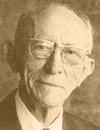
Vance Havner emphasizes the often overlooked beatitude, 'Blessed is he who keeps from stumbling over me,' as he reflects on John the Baptist's doubts while imprisoned. He draws parallels between John's struggles and the common experiences of believers facing depression and doubt in their own 'dungeo

K.P. Yohannan addresses the struggle of reconciling our failures with God's perfect will, emphasizing that God's perspective transcends our understanding of time and circumstances. He explains that God views our lives from an eternal standpoint, seeing both our failures and our ultimate redemption s

David Wilkerson emphasizes the lesson Jesus taught Philip when faced with the impossible task of feeding a multitude. Jesus, aware of the challenges, asked Philip how they would solve the problem, highlighting the importance of faith in seemingly hopeless situations. Wilkerson draws parallels to tod

C.H. Spurgeon emphasizes the importance of allowing God to choose our paths and destinies, as His wisdom surpasses our own understanding. He reassures us that while our enemies may wish to dictate our fate, we can find comfort in the fact that the Lord has appointed our inheritance. Spurgeon encoura