
The biblical topic "The Sower and the Seed" is a parable found in the Gospels, where Jesus teaches about the kingdom of God using the metaphor of a sower scattering seed on different types of soil (Matthew 13:3-9, Mark 4:3-9, Luke 8:5-8). This parable is often seen as a reflection of the Christian faith, where the seed represents the word of God, and the soil represents the hearts of those who receive it, with some producing fruit and others being unfruitful (Matthew 13:23). As Jesus explains, the seed that falls on good soil represents those who hear the word and understand it, bearing fruit and producing a harvest (Matthew 13:23), illustrating the importance of receptive faith, as emphasized in Psalms 119:105, where the word of God is a lamp to guide one's path. This parable is a powerful reminder of the transformative power of God's word in the lives of believers, as seen in the promise of Isaiah 55:11, where God's word will not return empty, but will accomplish its purpose.
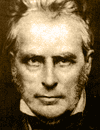
John Nelson Darby expounds on Matthew 13, emphasizing that the Lord's ministry as a Sower is focused on sowing the word of God in hearts rather than seeking fruit from Israel. He highlights the different responses to the word, illustrating how understanding and connection with God are essential for

G. Campbell Morgan expounds on 'The Parable of the Net,' emphasizing the final separation of the wicked from the righteous at the end of the age. He illustrates how the net represents the Kingdom's influence, gathering various people, but ultimately, it is the angels who will execute God's judgment

A.W. Pink emphasizes the significance of Matthew's Gospel as a bridge between the Old and New Testaments, highlighting its Jewish character and its role in presenting Jesus as the Messiah and King of Israel. He notes that Matthew's frequent use of the term 'fulfilled' underscores the fulfillment of
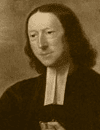
John Wesley expounds on Matthew 3, emphasizing the significance of John the Baptist's ministry and the coming of the Kingdom of Heaven. He explains that the Kingdom is not merely a future hope but a present reality that requires repentance and a transformation of heart. Wesley highlights the importa
G. Campbell Morgan emphasizes the central teaching of Matthew, which is the proclamation of the Kingdom of Heaven and the call to repentance. He explains that the Kingdom represents God's sovereignty and is characterized by righteousness, peace, and joy, administered by Christ as King, Prophet, and
John Nelson Darby expounds on the parables found in Matthew 13, illustrating the nature and characteristics of the 'kingdom of heaven.' He emphasizes that these parables collectively reveal God's plan and provide comfort to believers, highlighting the distinction between those who accept the word of
John Nelson Darby expounds on Matthew 3, emphasizing the ministry of John the Baptist as a preparation for the coming of Jehovah, who calls the people to repentance in light of the imminent kingdom of heaven. He highlights the significance of Jesus' baptism, where He identifies with the repentant re
G. Campbell Morgan expounds on 'The Parable of the Darnel,' emphasizing the distinction between the good seed sown by the Son of Man and the darnel sown by the enemy. He highlights the importance of recognizing that the field represents the world, and the two sowings will coexist until the harvest,

In this sermon, Dr. Luke Reisman preaches from the historic pulpit of John Wesley in London. He highlights the power of reading and understanding the Word of God. He emphasizes the importance of reading scripture with sincerity and authenticity, rather than trying to be dramatic like actors. Dr. Rei
Leonard Ravenhill emphasizes the urgency of repentance in his sermon on Hebrews 4, focusing on Jesus' declaration during the last day of the feast, where He invites the thirsty to come to Him for living water. He reflects on the historical significance of the feast and the spiritual blindness of the