
The Ten Commandments, as recorded in Exodus 20:1-17 and Deuteronomy 5:6-21, are a foundational set of principles in the Bible that guide the relationship between God and humanity, and they remain a cornerstone of Christian faith. These commandments, which include directives such as "you shall have no other gods before Me" (Exodus 20:3) and "honor your father and your mother" (Exodus 20:12), provide a moral framework for living a life that is pleasing to God. As emphasized in Romans 13:9, the Ten Commandments are a summary of how to love one's neighbor as oneself, reflecting the importance of these principles in Christian ethics. By following the Ten Commandments, believers demonstrate their commitment to God's will, as expressed in Psalms 119:105, where the psalmist writes, "Your word is a lamp for my feet, a light on my path," highlighting the guiding role of scripture in the Christian life.

Shane Idleman addresses the cultural offense caused by the Ten Commandments, emphasizing that they reveal humanity's need for God rather than serving as a means of salvation. He explains that while keeping the commandments does not save us, they act as 'fruit inspectors' that reflect our hearts and

Thomas Watson emphasizes the significance of the Ten Commandments, illustrating how the afflictions of the godly serve as corrections from a loving Father, while those of the wicked are punishments from a just Judge. He highlights the transformative power of God's mercy, which is freely given throug

D.L. Moody emphasizes the enduring relevance of the Ten Commandments, urging believers to recognize their moral authority and the necessity of adhering to them in a world filled with distractions and false gods. He draws parallels between the ancient Israelites and modern society, highlighting the d
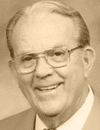
Ralph Sexton Sr. emphasizes the profound mercy and grace of God, questioning why God chooses to show compassion to humanity despite our unworthiness. He highlights the importance of unity among believers, asserting that when God's people come together in prayer and humility, divine intervention occu

Keith Simons teaches on Psalm 103, emphasizing the importance of heartfelt worship and gratitude towards God. He explains that David calls upon his soul to bless the Lord, recognizing the depth of God's forgiveness, healing, and mercy. Simons highlights that God's love and kindness are abundant, ext
Keith Simons teaches on Psalm 136, emphasizing the importance of giving thanks to God for His enduring mercy, which is highlighted throughout the psalm. He explains that the psalm lists 26 reasons to be thankful, starting with God's goodness and culminating in His acts of kindness towards Israel, in

Leonard Ravenhill emphasizes the profound mercy and love of God, reflecting on how we enter His presence through thanksgiving and the blood of Christ. He highlights the importance of recognizing our need for repentance and the transformative power of God's Word, which guides us through life's challe
Keith Simons emphasizes the urgent prayer for revival found in Psalm 85, where God's people plead for restoration and new life after turning away from Him. He reflects on God's past kindness and forgiveness towards Israel, reminding listeners that despite their sins, God has the power to restore the
Keith Simons emphasizes King David's profound relationship with God, which is highlighted in Psalm 51 as a prayer of repentance following his grievous sins. David acknowledges his transgressions and seeks God's mercy, understanding that true repentance involves a broken spirit and a contrite heart.

John Vissers preaches on Jonah's experience in the depths of despair, emphasizing how Jonah faced imminent death and judgment but found salvation through God's mercy. The sermon highlights the transformative power of the phrase 'but the Lord,' illustrating how God intervenes in our darkest moments.