
Theological reform is a vital aspect of the Christian faith, reflecting a commitment to align beliefs and practices with the teachings of Scripture. Throughout the Bible, we see a call for renewal and transformation, as emphasized in Romans 12:2, where Paul urges believers to not conform to the patterns of this world but to be transformed by the renewing of their minds. This transformation is foundational for understanding and revising confessions of faith, such as the Dutch Confession and the Heidelberg Catechism, which seek to articulate the core tenets of Christianity in a way that is faithful to biblical revelation. In 2 Timothy 3:16-17, Paul reminds us that all Scripture is God-breathed and useful for teaching, rebuking, correcting, and training in righteousness, underscoring the importance of continual theological reflection and reform. Jesus Himself emphasized the need for authentic faith in Matthew 15:9, where He critiques human traditions that overshadow divine commandments. Thus, theological reform is not merely an academic exercise; it is a response to God’s call for His people to live in accordance with His Word, as seen in Colossians 3:16, which encourages believers to let the message of Christ dwell among them richly. Ultimately, engaging in theological reform is an act of devotion, seeking to uphold the truth of the Gospel and to ensure that the church remains faithful to the teachings of Christ.
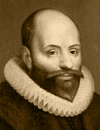
James Arminius discusses the need for examination and revision of the Confession of the Dutch Churches and the Heidelberg Catechism, emphasizing the importance of aligning human writings with the word of God to ensure accuracy and avoid errors. He presents seven key inquiries to be made during this