
The Thessalonian Epistles, comprising 1 and 2 Thessalonians, provide profound insights into early Christian faith and practice. Written by the Apostle Paul, these letters address the challenges faced by the Thessalonian church, including persecution and confusion about the return of Christ. Paul emphasizes the importance of steadfastness in faith, as seen in 1 Thessalonians 1:3, where he commends their work produced by faith, labor prompted by love, and endurance inspired by hope in our Lord Jesus Christ. Furthermore, he reassures them of the hope of resurrection, stating in 1 Thessalonians 4:16-17 that the dead in Christ will rise first, offering comfort amidst their grief. In 2 Thessalonians, Paul addresses misconceptions about the Day of the Lord, urging believers to stand firm in the teachings he imparted, as noted in 2 Thessalonians 2:15. The letters also highlight the role of the Holy Spirit, who empowers believers to live in holiness and to encourage one another, as reflected in 1 Thessalonians 5:11. Ultimately, the Thessalonian Epistles serve as a reminder of the call to live in anticipation of Christ's return, fostering a community marked by faith, love, and hope.
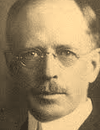
Arno Clemens Gaebelein preaches on the epistles to the Thessalonians, emphasizing the Holy Spirit's role in manifesting power in the preaching of the gospel, giving assurance to believers, and enabling them to live a separated life while waiting for the Lord's return. The absence of extraordinary ma