
The concept of the timelessness of God is a fundamental aspect of Christian theology, emphasizing God's existence beyond the constraints of temporal boundaries. According to Psalms 90:4, "a thousand years are like a day" to God, highlighting His transcendence over human conceptions of time. In 2 Peter 3:8, this idea is further reinforced, stating that "with the Lord a day is like a thousand years, and a thousand years are like a day," underscoring God's eternal nature. This understanding is also reflected in Psalms 102:27, which declares that God remains unchanged, while human experiences and the world around us are subject to the passage of time, reinforcing the timelessness of God's character and purposes.

A.W. Tozer emphasizes the contrast between the rapidly changing external world and the unchanging nature of humanity's inner self. He reflects on how Jesus lived in a time devoid of modern conveniences and technology, yet the people of that era were just as real and complex as we are today. Tozer ar

Peter Brandon addresses the profound question of what is wrong with the world, emphasizing that the root issue lies within human nature itself. He reflects on King David's sin with Bathsheba and his subsequent repentance as depicted in Psalm 51, illustrating the necessity of acknowledging our sins a

Watchman Nee discusses the nature of man as unregenerated and bound by the flesh, emphasizing that humanity is inherently filled with lust and evil thoughts due to the fall of Adam. He explains that being 'in the flesh' leads to enmity against God and ultimately results in death, as those who live a
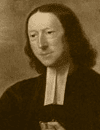
John Wesley preaches on the concept of Original Sin, emphasizing the stark contrast between the biblical view of human nature and the more flattering depictions often presented by society. He argues that all humanity is inherently sinful, as evidenced by Scripture, which states that every imaginatio
A.W. Tozer reflects on the paradox of changing times and the unchanging nature of humanity, emphasizing that despite the advancements in civilization, the core of human nature remains constant. He illustrates this point by contrasting the humble circumstances of Jesus' birth with the modern world, h

T. Austin-Sparks addresses the profound transformation of humanity from God's original creation to a state of spiritual disarray, emphasizing that man is not merely a sinner needing redirection but has fundamentally become a different species than intended by God. He critiques the evangelical approa
John Wesley preaches about the profound truth that believers possess a heavenly treasure within their fragile, earthly bodies, highlighting the paradox of human nature that embodies both greatness and baseness. He explains that while humanity was created in God's image, the fall has led to a state o
A.W. Tozer emphasizes that all people, regardless of their external differences, share a fundamental human nature that is lost and in need of salvation. He asserts that the Christian message is directed at this shared condition, highlighting that before the cross, distinctions such as age, education

Theodore Epp discusses the unchanging nature of the flesh, using the story of King David's sin with Bathsheba and the subsequent murder of Uriah to illustrate how even the most righteous can fall into sin. David's attempts to cover his wrongdoing reveal the depths of human depravity and the lengths

Thomas Brooks emphasizes the universal corruption of human nature, asserting that even the choicest saints are not exempt from sin and uncleanness. He explains that godly men, despite their sincere repentance, may repeatedly fall into the same sins due to their inherent weaknesses and the ongoing ba