
Unbelief is a profound theme in Scripture, revealing the serious consequences of rejecting the truth of God’s Word and the person of Christ. In John 3:18, we learn that those who do not believe are already condemned, as they have not accepted the Son of God who offers eternal life. The Bible illustrates that unbelief is not merely an intellectual disagreement but a heart posture that contends against the glory and excellency of Christ, as seen in Romans 1:21, where Paul writes that although they knew God, they did not honor Him as God or give thanks to Him. This rejection leads to a darkened understanding and a futile mind. Furthermore, Hebrews 3:12 warns believers to take care, lest there be in any of them an evil, unbelieving heart that turns away from the living God. The consequences of unbelief are dire; in Mark 16:16, Jesus states, 'Whoever believes and is baptized will be saved, but whoever does not believe will be condemned.' Ultimately, the Scriptures call us to recognize the severity of unbelief and to embrace faith in Christ, who is the way, the truth, and the life (John 14:6), ensuring that we do not fall into the same pattern of disobedience that leads to condemnation.
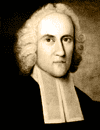
Jonathan Edwards preaches about how unbelievers contempt the glory and excellency of Christ, highlighting their refusal to acknowledge the greatness of Christ's person, work, and office. Edwards emphasizes that unbelievers do not honor, love, desire, or seek to be conformed to Christ's glory and exc