
1 Corinthians 5:11
1 Corinthians 5:11 in Multiple Translations
But now I am writing you not to associate with anyone who claims to be a brother but is sexually immoral or greedy, an idolater or a verbal abuser, a drunkard or a swindler. With such a man do not even eat.
But now I have written unto you not to keep company, if any man that is called a brother be a fornicator, or covetous, or an idolater, or a railer, or a drunkard, or an extortioner; with such an one no not to eat.
but as it is, I wrote unto you not to keep company, if any man that is named a brother be a fornicator, or covetous, or an idolater, or a reviler, or a drunkard, or an extortioner; with such a one no, not to eat.
But the sense of my letter was that if a brother had the name of being one who went after the desires of the flesh, or had the desire for other people's property, or was in the way of using violent language, or being the worse for drink, or took by force what was not his, you might not keep company with such a one, or take food with him.
What I meant when I wrote was that you shouldn't associate with anyone who is called a Christian who is immoral or greedy or worships idols; or who is abusive or a drunkard or who cheats others. Don't even share a meal with anyone like that!
But nowe I haue written vnto you, that ye companie not together: if any that is called a brother, be a fornicatour, or couetous, or an idolater, or a rayler, or a drunkard, or an extortioner, with such one eate not.
and now, I did write to you not to keep company with [him], if any one, being named a brother, may be a whoremonger, or covetous, or an idolater, or a railer, or a drunkard, or an extortioner — with such a one not even to eat together;
But as it is, I wrote to you not to associate with anyone who is called a brother who is a sexual sinner, or covetous, or an idolater, or a slanderer, or a drunkard, or an extortionist. Don’t even eat with such a person.
But now I have written to you not to keep company, if any man that is called a brother is a lewd person, or covetous, or an idolater, or a railer, or a drunkard, or an extortioner: with such person no not to eat.
But now I have written to you, not to keep company, if any man that is named a brother, be a fornicator, or covetous, or a server of idols, or a railer, or a drunkard, or an extortioner: with such a one, not so much as to eat.
But now I am stating clearly that when I wrote, I meant that you should not associate with those who say that they are fellow believers, if they are sexually immoral or if they desire and forcefully seize things that belong to others, or worship idols, or slander others, or become drunk. You should not associate with people like that, and you should not even eat with them!
No. This is what I meant. Don’t be good friends with people that reckon they are Christians, but they do bad things all the time. If they sleep with somebody that is not their own wife or husband, as if they are married to them, then don’t be good friends with those people. Or if they are greedy, don’t be good friends with them. If they respect bad spirits, and if they make those spirits their gods, don’t be good friends with them. If they yell and swear at other people, don’t be good friends with them. If they always get drunk, don’t be good friends with them. If they trick other people to get their money, don’t be good friends with them. Don’t even eat food with a Christian that does things like that.
Berean Standard Amplified — 1 Corinthians 5:11
BSA
Word Study
Hover over any word to see its amplified meaning. Click a word to explore its full definition and translation comparisons.
Amplified text is generated using scripting to tie together English translations for comparison. Always refer to the core BSB translation and original Hebrew/Greek text for accuracy. Anomalies may occur.
1 Corinthians 5:11 Interlinear (Deep Study)
BIB
GRK
νυν
δε
εγραψα
υμιν
μη
συναναμιγνυσθαι
εαν
τις
αδελφος
ονομαζομενος
η
πορνος
η
πλεονεκτης
η
ειδωλολατρης
η
λοιδορος
η
μεθυσος
η
αρπαξ
τω
τοιουτω
μηδε
συνεσθιειν
νυν
nun
G3568
now
Adv
δε
de
G1161
then
Conj
εγραψα
graphō
G1125
to write
Verb-AAI-1S
υμιν
su
G4771
you
Pron-2DP
μη
mē
G3361
not
Particle-N
συναναμιγνυσθαι
sunanamignumi
G4874
to associate with
Verb-PMN
εαν
ean
G1437
if
COND
τις
tis
G5100
one
Indef-NSM
αδελφος
adelphos
G80
brother
Noun-NSM
ονομαζομενος
onomazō
G3687
to name
Verb-PPP-NSM
η
eimi
G1510
to be
Verb-PAS-3S
πορνος
pornos
G4205
sexual sinner
Noun-NSM
η
ē
G2228
or
Particle
πλεονεκτης
pleonektēs
G4123
greedy
Noun-NSM
η
ē
G2228
or
Particle
ειδωλολατρης
eidōlolatrēs
G1496
idolater
Noun-NSM
η
ē
G2228
or
Particle
λοιδορος
loidoros
G3060
reviler
Adj-NSM
η
ē
G2228
or
Particle
μεθυσος
methusos
G3183
drunkard
Noun-NSM
η
ē
G2228
or
Particle
αρπαξ
harpax
G727
rapacious
Adj-NSM
τω
ho
G3588
the/this/who
Art-DSM
τοιουτω
toioutos
G5108
such as this
Dem-DSM
μηδε
mēde
G3366
nor
Conj-N
συνεσθιειν
sunesthiō
G4906
to eat with
Verb-PAN
Greek Word Study
Select any word above to explore its original meaning, root, and usage across Scripture.
Use ← → arrow keys to navigate between words.
Greek Word Reference — 1 Corinthians 5:11
νυν
nun
G3568
"now"
Adv
Now refers to the present time, as in John 4:18 and Romans 13:11. It's used to emphasize a current situation or action.
Definition: νῦν, adv., [in LXX chiefly for עַתָּה ;] __1. prop., of time, now, i.e. at the present time: as opposite to past, Jhn.4:18, Act.7:52, Rom.13:11, 2Co.7:9, Col.1:24, al.; opposite to fut., Jhn.12:27, Rom.11:31, al.; with art., ὁ (ἡ, τὸ) and subst., the present: Rom.3:26, Gal.4:25, 1Ti.6:17, Tit.2:12, al.; απὸ τοῦ ν. (LXX for מֵעַתָּה), Luk.1:48, Act.18:6, al.; ἄχρι τοῦ ν., Rom.8:22, Php.1:5; ἕως τοῦ ν. (LXX for עַד עַתָּה), Mat.24:21, Mrk.13:19; τὰ ν., as regards the present, Act.5:38; with pret., just now, but now, Mat.26:65, Jhn.11:8 21:10; with fut., now, presently, Jhn.12:31, Act.20:22; so with praes., presently, forthwith, Jhn.12:31 17:13; καὶ ν., Jhn.11:22 17:5, al.; ἀλλὰ ν., Luk.22:36; ἔτι ν., 1Co.3:2; τότε (πότε) . . . ν. (δέ), Rom.6:21 11:30; ν. ἤδη, 1Jn.4:3; ν. οὖν, Act.10:33, al. __2. Of logical sequence (often difficult to disting. from the temporal sense; cf. Lft., Notes, 113f.), now, therefore, now, however, as it is: Luk.11:39; καὶ ν., Act.3:17, 2Th.2:6, 1Jn.2:28; id. before δεῦρο, Act.7:34; ν. δέ, Jhn.8:40 9:41 15:22, 24, 18:36, 1Co.5:11 7:14 12:20, al. (cf. WM, 579.11). (AS)
Usage: Occurs in 139 NT verses. KJV: henceforth, + hereafter, of late, soon, present, this (time) See also: 1 Corinthians 3:2; Hebrews 12:26; 1 Peter 1:12.
δε
de
G1161
"then"
Conj
This is a conjunction that means and, but, or then, used to connect ideas like in Matthew 1:2 and 2 Corinthians 6:15.
Definition: δέ (before vowels δ᾽; on the general neglect of the elision in NT, see WH, App., 146; Tdf., Pr., 96), post-positive conjunctive particle; __1. copulative, but, in the next place, and, now (Abbott, JG, 104): Mat.1:2ff., 2Co.6:15, 16, 2Pe.1:5-7; in repetition for emphasis, Rom.3:21, 22, 9:30, 1Co.2:6, Gal.2:2, Php.2:8; in transition to something new, Mat.1:18, 2:19, Luk.13:1, Jhn.7:14, Act.6:1, Rom.8:28, 1Co.7:1 8:1, al.; in explanatory parenthesis or addition, Jhn.3:19, Rom.5:8, 1Co.1:12, Eph.2:4, 5:32, al.; ὡς δέ, Jhn.2:9; καὶ . . . δέ, but also, Mat.10:18, Luk.1:76, Jhn.6:51, Rom.11:23, al.; καὶ ἐὰν δέ, yea even if, Jhn.8:16. __2. Adversative, but, on the other hand, prop., answering to a foregoing μέν (which see), and distinguishing a word or clause from one preceding (in NT most frequently without μέν; Bl., §77, 12): ἐὰν δέ, Mat.6:14, 23, al.; ἐγὼ (σὺ, etc.) δέ, Mat.5:22, 6:6, Mrk.8:29, al.; ὁ δέ, αὐτὸς δέ, Mrk.1:45, Luk.4:40, al.; after a negation, Mat.6:19, 20, Rom.3:4, 1Th.5:21, al. (AS)
Usage: Occurs in 2552 NT verses. KJV: also, and, but, moreover, now (often unexpressed in English) See also: 1 Corinthians 1:10; 1 Corinthians 12:9; 1 Peter 1:7.
εγραψα
graphō
G1125
"to write"
Verb-AAI-1S
This verb means to write or record something, like in John 8:6 where Jesus writes on the ground. It can also mean to describe or express something in writing, as seen in Luke 1:63 and Galatians 6:11.
Definition: γράφω, [in LXX chiefly for כּתב ]; __1. to scrape, graze (Hom.), and later (Hdt.) to sketch, draw. __2. to write; __(a) of forming or tracing letters on writing material: Jhn.8:[6], Gal.6:11, 2Th.3:17; __(b) to express in writing, commit to writing, record: Luk.1:63, Jhn.19:21, 22 Rev.1:11, 19 al.; of scripture as a standing authority (Deiss., BS, 112ff.), γέγραπται, it stands written (Luther), Mat.4:4, Mrk.7:6, Luk.4:8, Rom.1:17, 1Co.1:31, al.; id. before ἐν, Mrk.1:2, Act.1:20, al.; with accusative, to write of: Jhn.1:46, Rom.10:5; before περί, Mat.26:24, Mrk.14:21, Jhn.5:46; al.; with dative (WM, §31, 4), Luk.18:31; id. before ἵνα (M, Pr., 207f.), Mrk.12:19, Luk.20:28; κατὰ τ. γεγραμμένον, 2Co.4:13; γεγραμμένον ἐστί, Jhn.2:17; ἐγράφη, Rom.4:24; ἐπ᾽ αὐτῷ γεγραμμένα, Jhn.12:16; __(with) of writing directions or information, with dative of person(s): Rom.15:15, 2Co.7:12, al.; __(d) of that which contains the record or message: βιβλίον, Mrk.10:4, Jhn.21:25, Rev.5:1; τίτλον, Jhn.19:19; ἐπιστολήν, Act.23:25; ἐντολήν, Mrk.10:5 (cf. ἀπο-, ἐγ-, ἐπι-, κατα-, προ-). (AS)
Usage: Occurs in 183 NT verses. KJV: describe, write(-ing, -ten) See also: 1 Corinthians 1:19; Luke 1:63; 1 Peter 1:16.
υμιν
su
G4771
"you"
Pron-2DP
This Greek word means 'you' and is used to address someone directly, like in John 1:30 and Matthew 26:64. It's a way to emphasize or contrast the person being spoken to. The KJV Bible translates it as 'thou'.
Definition: σύ, pron. of 2nd of person(s), thou, you, genitive, σοῦ, dative, σοί, accusative, σέ, pl., ὑμεῖς, -ῶν, -ῖν, -ᾶς (enclitic in oblique cases sing., except after prep. (BL, §48, 3), though πρὸς σέ occurs in Mat.25:39). Nom. for emphasis or contrast: Jhn.1:30, 4:10, 5:33, 39, 44, Act.4:7, Eph.5:32; so also perhaps σὺ εἶπας, Mat.26:64, al. (M, Pr., 86); before voc., Mat.2:6, Luk.1:76, Jhn.17:5, al.; sometimes without emphasis (M, Pr., 85f.), as also in cl., but esp. as rendering of Heb. phrase, e.g. υἱός μου εἶ σύ (בְּנִי־אַתָּה, Psa.2:7), Act.13:33. The genitive (σοῦ, ὑμῶν) is sometimes placed bef. the noun: Luk.7:48, 12:30, al.; so also the enclitic σοῦ, Mat.9:6; on τί ἐμοὶ κ. σοί, see: ἐγώ. (AS)
Usage: Occurs in 2041 NT verses. KJV: thou See also: 1 Corinthians 1:3; 1 Corinthians 15:3; 1 Peter 1:2.
μη
mē
G3361
"not"
Particle-N
Not is a word used to show that something is not true or is not happening, like in phrases that say 'lest' or 'God forbid', as seen in various parts of the New Testament.
Definition: μή, subjective negative particle, used where the negation depends on a condition or hypothesis, expressed or understood, as distinct from οὐ, which denies absolutely. μή is used where one thinks a thing is not, as distinct from an absolute negation. As a general rule, οὐ negatives the indic, μή the other moods, incl, ptcp. [In LXX for אֵין ,אַיִן ,אַל ] __I. As a neg. adv., not; __1. with ref. to thought or opinion: Jhn.3:18, Tit.1:11, 2Pe.1:9. __2. In delib. questions, with subjc. (M, Pr., 185): Mrk.12:14, Rom.3:8. __3. In conditional and final sentences, after εἰ, ἐάν, ἄν, ἵνα, ὅπως: Mat.10:14, Mrk.6:11 12:19, Luk.9:5, Jhn.6:50, Rom.11:25, al. __4. C. inf. (see M, Pr., 234f., 239, 255), __(a) after verbs of saying, etc.: Mat.2:12 5:34, Mrk.12:18, Act.15:38, Rom.2:21, al.; __(b) with artic. inf.: after a prep., Mat.13:5, Mrk.4:5, Act.7:19, 1Co.10:6, al.; without a prep., Rom.14:13, 2Co.2:1, 13 1Th 4:6; __(with) in sentences expressing consequence, after ὥστε: Mat.8:28, Mrk.3:20, 1Co.1:7, 2Co.3:7, al. __5. C. ptcp. (see M, Pr., 231f., 239), in hypothetical references to persons of a certain character or description: Mat.10:28 12:30, Luk.6:49, Jhn.3:18, Rom.4:5, 1Co.7:38, 1Jn.3:10, al.; where the person or thing being definite, the denial is a matter of opinion: Jhn.6:64, 1Co.1:28 4:7, 18, 2Co.5:21, al.; where the ptcp. has a concessive, causal or conditional force, if, though, because not: Mat.18:25, Luk.2:45, Jhn.7:49, Act.9:26, Rom.2:14 5:13, 2Co.3:14, Gal.6:9, Ju 5; where the ptcp. has a descriptive force (being such as), not: Act.9:9, Rom.1:28, 1Co.10:33, Gal.4:8, Heb.12:27, al. __6. μή prohibitive, in indep. sentences, __(a) with subjc. praes., 1 of person(s) pl.: Gal.5:26 6:9, 1Th.5:6, 1Jn.3:18; __(b) with imperat. praes., usually where one is bidden to desist from what has already begun (cf. M, Pr., 122ff.): Mat.7:1, Mrk.5:36, Luk.6:30, Jhn.2:16 5:45, Act.10:15, Rom.11:18, Jas.2:1, Rev.5:5, al.; __(with) forbidding that which is still future: with imperat. aor., 3 of person(s), Mat.24:18, Mrk.13:15, Luk.17:31, al.; with subjc. aor., 2 of person(s), Mat.3:9 10:26, Mrk.5:7, Luk.6:29, Jhn.3:7, Rom.10:6, al.; __(d) with optative, in wishes: 2Ti.4:16 (LXX); μὴ γένοιτο (see M, Pr., 194; Bl., §66, 1), Luk.20:16, Rom.3:3, al.; μή τις, Mrk.13:5, al. __II. As a conj., __1. after verbs of fearing, caution, etc., that, lest, perhaps (M, Pr., 192f.): with subjc. praes., Heb.12:15; with subjc. aor., Mat.24:4, Mrk.13:5, Luk.21:8, Act.13:40, Gal.5:15, al.; ὅρα μή (see M, Pr., 124, 178), elliptically, Rev.19:10 22:9; with indic, fut. (M, Pr., l.with), Col.2:8. __2. in order that not: with subjc. aor., Mrk.13:36, 2Co.8:20 12:6. __III. Interrogative, in hesitant questions (M, Pr., 170), or where a negative answer is expected: Mat.7:9, 10, Mrk.2:19, Jhn.3:4, Rom.3:3 10:18, 19, 1Co.1:13, al.; μή τις, Luk.22:35, al.; before οὐ (Rom.10:17, al. in Pl.), expecting an affirm, ans.; οὐ μή, Luk.18:7, Jhn.18:11. __IV. οὐ μή as emphatic negation (cf. M, Pr., 188, 190ff.; Bl. §64, 5), not at all, by no means: with indic, fut., Mat.16:22, Jhn.6:35, Heb.10:17, al.; with subjc. aor., Mat.24:2, Mrk.13:2, Luk.6:37, Jhn.13:8, 1Co.8:13, al. (AS)
Usage: Occurs in 910 NT verses. KJV: any but (that), X forbear, + God forbid, + lack, lest, neither, never, no (X wise in), none, nor, (can-)not, nothing, that not, un(-taken), without See also: 1 Corinthians 1:7; 1 Peter 2:16; 1 Peter 1:8.
συναναμιγνυσθαι
sunanamignumi
G4874
"to associate with"
Verb-PMN
To associate with someone means to mix or keep company with them, often in a close relationship. In 1 Corinthians 5:9 and 2 Thessalonians 3:14, it warns against associating with people who do wrong. It involves being together and interacting with someone.
Definition: συν-ανα-μίγνυμι (accusative to Bl., 8, -μείγνυμι), [in LXX: Hos.7:8 A ( hithpo.), Eze.20:18 A * ;] to mix up together; pass., reflex, and metaphorically, to associate with (Plut., Ath., al.): 1Co.5:9 5:11, 2Th.3:14 (see M, Th., 117).† (AS)
Usage: Occurs in 3 NT verses. KJV: (have, keep) company (with) See also: 1 Corinthians 5:9; 1 Corinthians 5:11; 2 Thessalonians 3:14.
εαν
ean
G1437
"if"
COND
This word means 'if' and is used to show uncertainty or possibility, as in Matthew 6:22 and Romans 2:25, to express conditions or circumstances.
Definition: ἐάν, contr. fr. εἰ ἄν, conditional particle, representing something as "under certain circumstances actual or liable to happen," but not so definitely expected as in the case of εἰ with ind. (Bl., §65, 4; cf. Jhn.13:17, 1Co.7:36), if haply, if; __1. with subjc. (cl.); __(a) pres.: Mat.6:22, Luk.10:6, Jhn.7:17, Rom.2:25, 26 al.; { __(b) aor. (= Lat. fut. pf.): Mat.4:9 16:26 (cf. ptcp. in Luk.9:25; M, Pr., 230), Mrk.3:24, Luk.14:34, Jhn.5:43, Rom.7:2, al.; = cl. εἰ, with opt., Jhn.9:22 11:57, Act.9:2; as Heb. אִם = ὅταν, Jhn.12:32 14:3, I Jhn.2:28 3:2, Heb.3:7" (LXX) . __2. C. indic, (as in late writers, fr. Arist. on; see WH, App., 171; VD, MGr. 2, App., §77; Deiss., BS, 201f., LAE, 155, 254; M, Pr., 168, 187; Bl., §65, 4); __(a) fut.: Mat.18:19 T, Luk.19:40, Act.7:7; __(b) pres.: 1Th.3:8 (see Milligan, in l.). __3. With other particles: ἐ. καί (Bl., §65, 6), Gal.6:1; ἐ. μή (M, Pr., 185, 187; Bl., l.with), with subjc. pres., Mat.10:13, 1Co.8:8, Jas.2:17, 1Jn.3:21; aor., Mat.6:15, Mrk.3:27, Jhn.3:3, Rom.10:15, Gal.1:8 2:16 (see Lft., Ellic., in ll.); ἐ. τε . . . ἐ. τε, [in LXX for אִם . . . אִם, Est.19:13, al.,] Rom.14:8. __4. = cl. ἄν (which see) after relat. pronouns and adverbs (Tdf., Pr., 96; WH, App., 173; M, Pr., 42f.; Bl., §26, 4; Mayser, 152f.; Deiss., BS, 202ff.): ὃς ἐ., Mat.5:19, Mrk.6:22, 23 Luk.17:32, 1Co.6:18, al.; ὅπου ἐ., Mat.8:19; ὁσάκις ἐ., Rev.11:6; οὗ ἐ., 1Co.16:6; καθὸ ἐ., 2Co.8:12; ὅστις ἐ., Gal.5:10. (AS)
Usage: Occurs in 317 NT verses. KJV: before, but, except, (and) if, (if) so, (what-, whither-)soever, though, when (-soever), whether (or), to whom, (who-)so(-ever) See also: 1 Corinthians 4:15; Hebrews 13:23; 1 Peter 3:13.
τις
tis
G5100
"one"
Indef-NSM
This pronoun refers to a person or thing in a general sense, as seen in Luke 9:49 and John 11:1. It can mean someone, anyone, or anything. This term is often used to describe an unspecified individual or object.
Definition: τις, neut., τι, genitive, τινός, enclitic indefinite pron., related to interrog. τίς as πού, πως, ποτέ to ποῦ, πῶς, πότε. __I. As subst., __1. one, a certain one: Luk.9:49, Jhn.11:1, Act.5:25, al.; pl., τίνες, certain, some: Luk.13:1, Act.15:1, Rom.3:8, al. __2. someone, anyone, something, anything: Mat.12:29, Mrk.9:30, Luk.8:46, Jhn.2:25, Act.17:25, Rom.5:7, al.; = indef., one (French on), Mrk.8:4, Jhn.2:25, Rom.8:24, al.; pl., τινες, some, Mrk.14:4, al. __II. II. As adj., __1. a certain: Mat.18:12, Luk.1:5 8:27, Act.3:2, al.; with proper names, Mrk.15:21, Luk.23:26, al.; with genitive partit., Luk.7:19, al. __2. some: Mrk.16:[8], Jhn.5:14, Act.17:21 24:24, Heb.11:40, al. (AS)
Usage: Occurs in 490 NT verses. KJV: a (kind of), any (man, thing, thing at all), certain (thing), divers, he (every) man, one (X thing), ought, + partly, some (man, -body, - thing, -what), (+ that no-)thing, what(-soever), X wherewith, whom(-soever), whose(-soever) See also: 1 Corinthians 1:15; 2 Corinthians 12:17; 1 Peter 2:19.
αδελφος
adelphos
G80
"brother"
Noun-NSM
The Greek word for brother refers to a male sibling or a fellow Christian, as seen in Matthew 1:2 and 1 Corinthians 1:1. It implies a close relationship.
Definition: ἀδελφός, -οῦ, ὁ (ἀ- copul., δελφύς, womb), in cl., a brother, born of the same parent or parents. [In LXX (Hort, Ja., 102f.), for אָח ;] __1. lit. of a brother (Gen.4:2, al.). __2. Of a neighbour (Lev.19:17). __3. Of a member of the same nation (Exo.2:14, Deu.15:3). In NT in each of these senses (1. Mat.1:2, al.; 2. Mat.7:3; 3. Rom.9:3) and also, __4. of a fellow-Christian: 1Co.1:1, Act.9:30. This usage finds illustration in π., where ἀ. is used of members of a pagan religious community (M, Th., I, 1:4; MM, VGT, see word). The ἀδελφοὶ τ. Κυρίου (Mat.12:46-49 13:55 28:10, Mrk.3:31-34, Luk.8:19-21, Jhn.2:12 7:3, 5 10 20:17, Act.1:14, 1Co.9:5) may have been sons of Joseph and Mary (Mayor, Ja., Intr. viff.; DB, i, 320ff.) or of Joseph by a former marriage (Lft., Gal., 252ff.; DCG, i, 232ff.), but the view of Jerome, which makes ἀ. equivalent to ἀνεψιός, is inconsistent with Greek usage. (Cremer, 66.) (AS)
Usage: Occurs in 318 NT verses. KJV: brother See also: 1 Corinthians 1:1; Acts 2:37; 1 Peter 5:12.
ονομαζομενος
onomazō
G3687
"to name"
Verb-PPP-NSM
To name something means to give it a label or title, like when Jesus named his disciples in Mark 3:14. It can also mean to mention or praise something, as in worship. This word is used in Acts 19:13 and Romans 15:20.
Definition: ὀνομάζω (ὄνομα), [in LXX for זָכַר, נָקַב, קָרָא ;] __1. to name, mention, or address by name: Act.19:13; pass., Rom.15:20, Eph.1:21 5:3; of the use of the Divine name in praise and worship, 2Ti.2:19 (LXX, Num.16:26; cf. Isa.52:11, Amo.6:10). __2. to name, call, give a name to: Mrk.3:14 (T, R, txt. om.), Luk.6:13-14; pass., 1Co.5:11; before ἐξ (cl.), Eph.3:15 (cf. ἐπ-ονομάζω).† (AS)
Usage: Occurs in 10 NT verses. KJV: call, name See also: 1 Corinthians 5:1; Ephesians 3:15; Romans 15:20.
η
eimi
G1510
"to be"
Verb-PAS-3S
To be or exist, a basic verb used to describe something or someone, like God saying 'I am' in John 8:58.
Definition: εἰμί, with various uses and significations, like the English verb to be. __I. As substantive verb. __1. Of persons and things, to be, exist: Act.17:28, Jhn.1:1, 8:58, 17:5, al; ὁ ὢν καὶ ὁ ἦν (for past ptcp.), Rev.1:4, 8, 4:8, 11:17, 16:5 (see Swete, Ap., 5; M, Pr., 228); τὰ (μὴ) ὄντα, Rom.4:17, 1Co.1:28. __2. Of times, events, etc., to be, happen, take place: Mat.24:3, Mrk.14:2, 15:42, Luk.21:23, Jhn.4:6, 23, 5:10, al. __3. to be present, be in a place, have come: Mat.2:13, 15, Mrk.1:45, 5:21, 15:40, Luk.1:80, 5:29, Jhn.7:30, al.; before εἰς, Mrk.2:1; before ἐκ, (ἐξ), Mat.1:20, 21:25, Mrk.11:30, Jhn.3:31, al. __4. Impers., ἔστι, ἦν, etc.; __(a) there is (Fr. il y a), was, etc.: Mat.16:28, Luk.16:19, Jhn.3:1, 5:2, Rom.3:10, al.; with dative (of the possessor; Bl., §37, 3), Mat.16:22, Luk.1:7, Jhn.18.10, Rom.9:2, al.; ἔστιν ὅς, ὅστις (chiefly in pl), Mat.16:28, 19:2, Mrk.9:1, al.; __(b) with inf., = ἔξεστιν (which see), it is possible: Heb.9:5, 1Co.11:20, RV (but see ICC, in l.). __II. As copula uniting subject and predicate. __1. Expressing simply identity or equivalence: Mat.5:13, 14:15, Luk.1:18, 19, Jhn.1:1, 4:19, Rev.3:9, al. mult. __2. Explicative, as in parable, figure, type, etc.: Mat.13:19, 1Co.9:2, 10:4, 11:25, Gal.4:24, Rev.17:15, al.; ταῦτ᾽ ἔστιν, Mat.27:46, Mrk.7:2, Rom.7:18 al.; ὅ ἐστιν, Mrk.3:17, Col.1:24, Heb.7:2, al.; akin to this is the sacramental usage: Mat.26:26-28, Mrk.14:22, 24, Luk.22:19, 1Co.11:24 (see ICC on Mk, I Co, ll. with; DB, iii, 148 f.). __3. C. genitive: qual., etc., Mrk.5:42, Luk.3:23, 1Co.14:33, Heb.12:11, al.; part., 1Ti.1:20, 2Ti.1:15; poss., Mat.5:3, 10, Mrk.12:7, Luk.4:7; of service or partisanship, Rom.8:9, 1Co.1:12, 2Co.10:7, 2Ti.2:19. __4. C. dative (BL, §37, 3): Act.1:8, 9:15, Rom.4:12, 1Co.1:18, 2:14, Rev.21:7, al. __5. C. ptcp., as a periphrasis for the simple verb (Bl., §62, 1, 2; M, Pr., 225 ff.); __(a) with ptcp. pf. (cl.): Mat.10:30, Luk.9:32, Jhn.3:24, Act.21:35, 1Co.15:19, al; __(b) with ptcp. pr. (esp. in impf., as in Heb. and Aram.; Dalman, Words, 35 f.), Mat.7:29, Mrk.1:22, Luk.4:31, 14:1, Act.1:10, al. mult., id. for imper. (M, Pr., 180f., 182f.), with ellipsis of εἰμί, Rom.12:9, 10, Heb.13:5, al.; __(with) with ptcp. aor. (cl), Luk.23:9. __6. Seq. εἰς (cf. Heb. הָיָה לְ), a vernac. usage (M, Pr., 71): Mat.19:5, Mrk.10:8, Heb.8:10, al. __7. C. adv.: Mat.19:20, Mrk.4:26, Luk.18:11, al. __8. Ellipses; __(a) of the copula (Bl., §30, 3): Mat.8:29, 24:32, Jhn.21:22, 23, Heb.6:4, al.; __(b) of the predicate: ἐγώ εἰμί, Mat.14:27, Mrk.6:50, al.; absol. (cf. Deu.32:39; אֲנִי הוּא), Mrk.13:6, Jhn.4:26, al. (cf. ἄπ-, ἔν-, πάρ-, συμ-πάρ-, σύν-ειμι). (AS)
Usage: Occurs in 2123 NT verses. KJV: am, have been, X it is I, was See also: 1 Corinthians 1:2; 1 Corinthians 13:2; 1 Peter 1:6.
πορνος
pornos
G4205
"sexual sinner"
Noun-NSM
This word describes a male prostitute or someone who engages in sexual sin, like fornication, as seen in 1 Corinthians 5:9-11 and Ephesians 5:5.
Definition: πόρνος, -ου, ὁ [in LXX: Sir.23:16-18 * ;] __1. a male prostitute (Xen., al.). __2. a fornicator: 1Co.5:9-11 6:9, Eph.5:5, 1Ti.1:10, Heb.12:15 13:4, Rev.21:8 22:15.† (AS)
Usage: Occurs in 10 NT verses. KJV: fornicator, whoremonger See also: 1 Corinthians 5:9; Ephesians 5:5; Hebrews 12:16.
η
ē
G2228
"or"
Particle
Or is a word used to show a choice between two things, like in Matthew 5:17 where it's either obey God's law or not. It's also used to compare things, like in Romans 1:21 where it's one thing or another.
Definition: ἤ, disjunctive and comparative particle (Bl., §36, 12; 77, 11); __1. disjunctive, or; __(a) between single words: Mat.5:17 Mrk.6:56, Luk.2:24, Jhn.6:19, Rom.1:21, al.; __(b) before a sentence expressing a variation, denial or refutation of a previous statement, frequently in interrog. form: Mat.7:4, 9 Mrk.12:14, Luk.13:4, Rom.3:29 6:3 9:21, 1Co.6:9, 16 9:6, 2Co.11:7; ἤ . . . ἤ, either . . . or, Mat.6:24, Luk.16:13, 1Co.14:6; __(with) in a disjunctive question (as Lat. an after utrum): Mat.9:5, Mrk.2:9, Luk.7:19, al.; after πότερον, Jhn.7:17; μή, 1Co.9:8; μήτι, 2Co.1:17; ἤ . . . ἤ . . . ἤ, Mrk.13:35. __2. Comparative, than: after comparatives, Mat.10:15, Luk.9:13, Jhn.3:19, Rom.13:11, al.; after ἕτερον, Act.17:21; θέλω (Khüner 3, iv, 303), 1Co.14:19; πρὶν ἤ, before, before accusative and inf., Mat.1:18 Mrk.14:30; after a positive adj. (Gen.49:12; cf. Robertson, Gr., 661), Mat.18:8, 9 Mrk.9:43, 45 47. __3. with other particles: ἀλλ᾽ ἤ, see: ἀλλά; ἤ γάρ, see: γάρ; ἢ καί, or even, or also, Mat.7:10, Luk.11:11, 12 Rom.2:15 4:9, al; ἤτοι . . . ἤ, Rom.6:16 (cf. Wis.11:19). (AS)
Usage: Occurs in 281 NT verses. KJV: and, but (either), (n-)either, except it be, (n-)or (else), rather, save, than, that, what, yea See also: 1 Corinthians 1:13; Colossians 3:17; 1 Peter 1:11.
πλεονεκτης
pleonektēs
G4123
"greedy"
Noun-NSM
A greedy person who desires more and is eager for gain, as described in 1 Corinthians 5:10-11 and Ephesians 5:5. This type of person is covetous and avaricious.
Definition: πλεονέκτης, -ου, ὁ (πλέον, ἔχω), [in LXX: Sir.14:9 * ;] = ὁ θέλων πλέον ἔχειν (see MM, xx), one desirous of having more, covetous: 1Co.5:10-11 6:10 Eph.5:5.† (AS)
Usage: Occurs in 4 NT verses. KJV: covetous See also: 1 Corinthians 5:10; 1 Corinthians 6:10; Ephesians 5:5.
η
ē
G2228
"or"
Particle
Or is a word used to show a choice between two things, like in Matthew 5:17 where it's either obey God's law or not. It's also used to compare things, like in Romans 1:21 where it's one thing or another.
Definition: ἤ, disjunctive and comparative particle (Bl., §36, 12; 77, 11); __1. disjunctive, or; __(a) between single words: Mat.5:17 Mrk.6:56, Luk.2:24, Jhn.6:19, Rom.1:21, al.; __(b) before a sentence expressing a variation, denial or refutation of a previous statement, frequently in interrog. form: Mat.7:4, 9 Mrk.12:14, Luk.13:4, Rom.3:29 6:3 9:21, 1Co.6:9, 16 9:6, 2Co.11:7; ἤ . . . ἤ, either . . . or, Mat.6:24, Luk.16:13, 1Co.14:6; __(with) in a disjunctive question (as Lat. an after utrum): Mat.9:5, Mrk.2:9, Luk.7:19, al.; after πότερον, Jhn.7:17; μή, 1Co.9:8; μήτι, 2Co.1:17; ἤ . . . ἤ . . . ἤ, Mrk.13:35. __2. Comparative, than: after comparatives, Mat.10:15, Luk.9:13, Jhn.3:19, Rom.13:11, al.; after ἕτερον, Act.17:21; θέλω (Khüner 3, iv, 303), 1Co.14:19; πρὶν ἤ, before, before accusative and inf., Mat.1:18 Mrk.14:30; after a positive adj. (Gen.49:12; cf. Robertson, Gr., 661), Mat.18:8, 9 Mrk.9:43, 45 47. __3. with other particles: ἀλλ᾽ ἤ, see: ἀλλά; ἤ γάρ, see: γάρ; ἢ καί, or even, or also, Mat.7:10, Luk.11:11, 12 Rom.2:15 4:9, al; ἤτοι . . . ἤ, Rom.6:16 (cf. Wis.11:19). (AS)
Usage: Occurs in 281 NT verses. KJV: and, but (either), (n-)either, except it be, (n-)or (else), rather, save, than, that, what, yea See also: 1 Corinthians 1:13; Colossians 3:17; 1 Peter 1:11.
ειδωλολατρης
eidōlolatrēs
G1496
"idolater"
Noun-NSM
An idolater is someone who worships idols or false gods, as mentioned in 1 Corinthians 5:10 and Revelation 21:8. This person gives allegiance to something other than the one true God.
Definition: εἰδωλολάτρης, -ου, ὁ (εἴδωλου + λάτρις, a hireling), an idolator: 1Co.5:10, 11 6:9 10:7 Eph.5:5 Rev.21:8 22:15 (Cremer, 709).† (AS)
Usage: Occurs in 7 NT verses. KJV: idolater See also: 1 Corinthians 5:10; 1 Corinthians 10:7; Revelation 21:8.
η
ē
G2228
"or"
Particle
Or is a word used to show a choice between two things, like in Matthew 5:17 where it's either obey God's law or not. It's also used to compare things, like in Romans 1:21 where it's one thing or another.
Definition: ἤ, disjunctive and comparative particle (Bl., §36, 12; 77, 11); __1. disjunctive, or; __(a) between single words: Mat.5:17 Mrk.6:56, Luk.2:24, Jhn.6:19, Rom.1:21, al.; __(b) before a sentence expressing a variation, denial or refutation of a previous statement, frequently in interrog. form: Mat.7:4, 9 Mrk.12:14, Luk.13:4, Rom.3:29 6:3 9:21, 1Co.6:9, 16 9:6, 2Co.11:7; ἤ . . . ἤ, either . . . or, Mat.6:24, Luk.16:13, 1Co.14:6; __(with) in a disjunctive question (as Lat. an after utrum): Mat.9:5, Mrk.2:9, Luk.7:19, al.; after πότερον, Jhn.7:17; μή, 1Co.9:8; μήτι, 2Co.1:17; ἤ . . . ἤ . . . ἤ, Mrk.13:35. __2. Comparative, than: after comparatives, Mat.10:15, Luk.9:13, Jhn.3:19, Rom.13:11, al.; after ἕτερον, Act.17:21; θέλω (Khüner 3, iv, 303), 1Co.14:19; πρὶν ἤ, before, before accusative and inf., Mat.1:18 Mrk.14:30; after a positive adj. (Gen.49:12; cf. Robertson, Gr., 661), Mat.18:8, 9 Mrk.9:43, 45 47. __3. with other particles: ἀλλ᾽ ἤ, see: ἀλλά; ἤ γάρ, see: γάρ; ἢ καί, or even, or also, Mat.7:10, Luk.11:11, 12 Rom.2:15 4:9, al; ἤτοι . . . ἤ, Rom.6:16 (cf. Wis.11:19). (AS)
Usage: Occurs in 281 NT verses. KJV: and, but (either), (n-)either, except it be, (n-)or (else), rather, save, than, that, what, yea See also: 1 Corinthians 1:13; Colossians 3:17; 1 Peter 1:11.
λοιδορος
loidoros
G3060
"reviler"
Adj-NSM
A reviler is someone who speaks abusively, as seen in 1 Corinthians 5:11 and 6:10. This behavior is considered unacceptable. In the Bible, it refers to a person who uses harsh words.
Definition: λοίδορος, -ον [in LXX: Pro.25:24 26:21 27:15 (מִדְיָן) Sir.23:8 * ;] railing, abusive; as subst., ὁ λ., a railer: 1Co.5:11 6:10.† (AS)
Usage: Occurs in 2 NT verses. KJV: railer, reviler See also: 1 Corinthians 5:11; 1 Corinthians 6:10.
η
ē
G2228
"or"
Particle
Or is a word used to show a choice between two things, like in Matthew 5:17 where it's either obey God's law or not. It's also used to compare things, like in Romans 1:21 where it's one thing or another.
Definition: ἤ, disjunctive and comparative particle (Bl., §36, 12; 77, 11); __1. disjunctive, or; __(a) between single words: Mat.5:17 Mrk.6:56, Luk.2:24, Jhn.6:19, Rom.1:21, al.; __(b) before a sentence expressing a variation, denial or refutation of a previous statement, frequently in interrog. form: Mat.7:4, 9 Mrk.12:14, Luk.13:4, Rom.3:29 6:3 9:21, 1Co.6:9, 16 9:6, 2Co.11:7; ἤ . . . ἤ, either . . . or, Mat.6:24, Luk.16:13, 1Co.14:6; __(with) in a disjunctive question (as Lat. an after utrum): Mat.9:5, Mrk.2:9, Luk.7:19, al.; after πότερον, Jhn.7:17; μή, 1Co.9:8; μήτι, 2Co.1:17; ἤ . . . ἤ . . . ἤ, Mrk.13:35. __2. Comparative, than: after comparatives, Mat.10:15, Luk.9:13, Jhn.3:19, Rom.13:11, al.; after ἕτερον, Act.17:21; θέλω (Khüner 3, iv, 303), 1Co.14:19; πρὶν ἤ, before, before accusative and inf., Mat.1:18 Mrk.14:30; after a positive adj. (Gen.49:12; cf. Robertson, Gr., 661), Mat.18:8, 9 Mrk.9:43, 45 47. __3. with other particles: ἀλλ᾽ ἤ, see: ἀλλά; ἤ γάρ, see: γάρ; ἢ καί, or even, or also, Mat.7:10, Luk.11:11, 12 Rom.2:15 4:9, al; ἤτοι . . . ἤ, Rom.6:16 (cf. Wis.11:19). (AS)
Usage: Occurs in 281 NT verses. KJV: and, but (either), (n-)either, except it be, (n-)or (else), rather, save, than, that, what, yea See also: 1 Corinthians 1:13; Colossians 3:17; 1 Peter 1:11.
μεθυσος
methusos
G3183
"drunkard"
Noun-NSM
A drunkard, someone who is intoxicated, as described in 1 Corinthians 5:11 and 6:10. This noun refers to a person who is habitually drunk. It is used to warn against excessive drinking.
Definition: μέθυσος, -α, -ον (also -ος, -ον; prop., only of women, but in late writers also = μεθυστικός, of men), [in LXX: Pro.23:21 (סָבָא) Pro.26:9 (שִׁכּוֹר), Sir.19:1 26:8, 4Ma.2:7 * ;] drunken: 1Co.5:11 6:10.† (AS)
Usage: Occurs in 2 NT verses. KJV: drunkard See also: 1 Corinthians 5:11; 1 Corinthians 6:10.
η
ē
G2228
"or"
Particle
Or is a word used to show a choice between two things, like in Matthew 5:17 where it's either obey God's law or not. It's also used to compare things, like in Romans 1:21 where it's one thing or another.
Definition: ἤ, disjunctive and comparative particle (Bl., §36, 12; 77, 11); __1. disjunctive, or; __(a) between single words: Mat.5:17 Mrk.6:56, Luk.2:24, Jhn.6:19, Rom.1:21, al.; __(b) before a sentence expressing a variation, denial or refutation of a previous statement, frequently in interrog. form: Mat.7:4, 9 Mrk.12:14, Luk.13:4, Rom.3:29 6:3 9:21, 1Co.6:9, 16 9:6, 2Co.11:7; ἤ . . . ἤ, either . . . or, Mat.6:24, Luk.16:13, 1Co.14:6; __(with) in a disjunctive question (as Lat. an after utrum): Mat.9:5, Mrk.2:9, Luk.7:19, al.; after πότερον, Jhn.7:17; μή, 1Co.9:8; μήτι, 2Co.1:17; ἤ . . . ἤ . . . ἤ, Mrk.13:35. __2. Comparative, than: after comparatives, Mat.10:15, Luk.9:13, Jhn.3:19, Rom.13:11, al.; after ἕτερον, Act.17:21; θέλω (Khüner 3, iv, 303), 1Co.14:19; πρὶν ἤ, before, before accusative and inf., Mat.1:18 Mrk.14:30; after a positive adj. (Gen.49:12; cf. Robertson, Gr., 661), Mat.18:8, 9 Mrk.9:43, 45 47. __3. with other particles: ἀλλ᾽ ἤ, see: ἀλλά; ἤ γάρ, see: γάρ; ἢ καί, or even, or also, Mat.7:10, Luk.11:11, 12 Rom.2:15 4:9, al; ἤτοι . . . ἤ, Rom.6:16 (cf. Wis.11:19). (AS)
Usage: Occurs in 281 NT verses. KJV: and, but (either), (n-)either, except it be, (n-)or (else), rather, save, than, that, what, yea See also: 1 Corinthians 1:13; Colossians 3:17; 1 Peter 1:11.
αρπαξ
harpax
G727
"rapacious"
Adj-NSM
This term describes someone who is greedy and takes advantage of others, like a swindler. It is used in Matthew 7:15 and 1 Corinthians 5:10-11.
Definition: ἅρπαξ, -αγος, ὁ, ἡ (ἁρπάζω), [in LXX: Gen.49:27 (טָרַף) * ;] rapacious: Mat.7:15, Luk.18:11; as subst., a swindler, an extortioner (MM, see word), 1Co.5:10-11 6:10.† (AS)
Usage: Occurs in 5 NT verses. KJV: extortion, ravening See also: 1 Corinthians 5:10; 1 Corinthians 6:10; Matthew 7:15.
τω
ho
G3588
"the/this/who"
Art-DSM
The Greek word for 'the' or 'this', used to point out a specific person or thing, like in Acts 17:28. It can also mean 'he', 'she', or 'it'.
Definition: ὁ, ἡ, τό, the prepositive article (ἄρθρον προτακτικόν), originally a demonstr. pron. (so usually in Hom.), in general corresponding to the Eng. definite article. __I. As demonstr. pron. __1. As frequently in Hom., absol., he (she, it), his (etc.): Act.17:28 (quoted from the poet Aratus). __2. Distributive, ὁ μὲν . . . ὁ δέ, the one . . . the other: 1Co.7:7, Gal.4:22; pl., Act.14:4, 17:32, Php.1:16, al.; οἱ μὲν . . . ἄλλοι δέ, Mat.16:14, Jhn.7:12; οἱ μεν̀ . . . ὁδέ, Heb.7:21, 23. __3. In narration (without ὁ μὲν preceding), ὁ δέ, but he: Mat.2:14, Mrk.1:45, Luk.8:21, Jhn.9:38, al. mult. __II. As prepositive article, the, prefixed, __1. to nouns unmodified: ὁ θεός, τὸ φῶς, etc.; to abstract nouns, ἡ σοφία, etc., to pl. nouns which indicate a class, οἱ ἀλώπεκες, foxes, Mat.8:20, al.; to an individual as representing a class, ὁ ἐργάτης, Luk.10:7; with nom. = voc. in addresses, Mat.11:26, Jhn.19:3, Jas.5:1, al.; to things which pertain to one, ἡ χεῖρ, his hand, Mrk.3:1; to names of persons well known or already mentioned; usually to names of countries (originally adjectives), ἡ Ἰουδαία, etc. __2. To modified nouns: with of person(s) pron. genitive, μοῦ, σοῦ, etc.; with poss. pron., ἐμός, σός, etc.; with adj. between the art. and the noun, ὁ ἀγαθὸς ἄνθρωπος, Mat.12:35; the noun foll, by adj., both with art., ὁ ποιμὴν ὁ καλός, Jhn.10:11 (on ὁ ὄχλος πολύς, Jhn.12:9, see M, Pr., 84); before adjectival phrases, ἡ κατ᾽ ἐκλογὴν πρόθεσις, Rom.9:11. __3. To Other parts of speech used as substantives; __(a) neuter adjectives: τ. ἀγαθόν, etc.; __(b) cardinal numerals: ὁ εἶς, οἷ δύο, etc.; __(with) participles: ὁ βαπτίζων (= ὁ Βαπτιστής, Mat.14:2), Mrk.6:14; πᾶς ὁ, with ptcp., every one who, etc.; __(d) adverbs: τὸ πέραν, τὰ νῦν, ὁ ἔσω ἄνθρωπος; __(e) infinitives: nom., τὸ θέλειν, Rom.7:18, al.; genitive, τοῦ, after adjectives, ἄξιον τοῦ πορεύεσθαι, 1Co.16:4; verbs, ἐλαχεν τοῦ θυμιᾶσαι, Luk.1:9; and frequently in a final sense, ἐξῆλθεν ὁ σπείρειν, Mat.13:3 (on the artic. inf., see Bl., §71). __4. In the neut. to sentences, phrases or single words treated as a quotation: τὸ Ἐι δύνῃ, Mrk.9:23; τὸ ἔτι ἅπαξ, Heb.12:27; τὸ ἀνέβη, Eph.4:9, al. __5. To prepositional phrases: οἱ ἀπὸ Ἰταλίας, Heb.13:24; οἱ ἐκ νόμου, Rom.4:14; neut. accusative absol., in adverbial phrases, τὸ καθ᾽ ἡμέραν, daily, Luk.11:3; τὸ κατὰ σάρκα, as regards the flesh, Rom.9:5. __6. To nouns in the genitive, denoting kinship, association, etc.: ὁ τοῦ, the son of (unless context indicates a different relationship), Mat.10:2, al.; τὰ τοῦ θεοῦ, the things that pertain to God, Mat.16:23; τὰ τῆς εἰρήνης, Rom.14:19 (cf. M, Pr., 81ff.; Bl, §§46, 47). (AS)
Usage: Occurs in 7033 NT verses. KJV: the, this, that, one, he, she, it, etc See also: 1 Corinthians 1:1; 1 Corinthians 7:16; 1 Corinthians 11:24.
τοιουτω
toioutos
G5108
"such as this"
Dem-DSM
This word means something or someone is of a certain kind or character, like a particular example. It appears in Matthew 9:8 and 18:5. It describes a unique individuality.
Definition: τοιοῦτος, -αύτη, -οῦτο (as usually in Att.. prose. Ep. and Ion. neut. -οῦτον in Al., Act.21:25, Rec. only), correlat. of οἷος, ὁποῖος, ὥς, etc., such as this, of such a kind, such: Mat.9:8 18:5, Mrk.4:33 6:2 7:13 9:37 (T, τούτων), Jhn.9:16, Act.16:24, 1Co.5:1 11:16, 2Co.3:4 3:12 12:3, Heb.7:26 8:1 12:3 13:16, Jas.4:16; οἷος . . . τ., 1Co.15:48, 2Co.10:11; id. pleonast. (see Bl., § 50, 4), Mrk.13:19; before ὁποῖος, Act.26:29; ὥς, Phm 9. As subst., anarth: pl., Luk.9:9; with art., ὁ τ., such a one (Bl., § 47, 9; Ellic. on Gal.5:21): Act.22:22, 1Co.5:5, al.; pl., Mat.19:14, Mrk.10:14, al.; neut. pl., Act.19:25, Rom.1:32, al (AS)
Usage: Occurs in 59 NT verses. KJV: like, such (an one) See also: 1 Corinthians 5:1; Galatians 6:1; Hebrews 7:26.
μηδε
mēde
G3366
"nor"
Conj-N
This word means 'nor' or 'not even', used to continue a negative statement. It is often used to list things that are not true, like in Matthew 10:10, where Jesus says the disciples should not take extra clothes or sandals.
Definition: μηδέ negative particle, related to οὐδέ as μή to οὐ, __1. as conic., continuing a negation or prohibition, but not, and not, nor: preceded by μή, Mat.6:25 22:29, Mrk.12:24, Luk.14:12, al.; ἵνα μή, Jhn.4:15; ὅπως μή, Luk.16:26; μηδέ . . . μηδέ, neither . . . nor, Mat.10:10, 1Co.10:8-9. __2. As adv., strengthening a negation, not even: Mrk.2:2, 1Co.5:11, al (AS)
Usage: Occurs in 50 NT verses. KJV: neither, nor (yet), (no) not (once, so much as) See also: 1 Corinthians 5:8; John 14:27; 1 Peter 3:14.
συνεσθιειν
sunesthiō
G4906
"to eat with"
Verb-PAN
To eat with someone, like Jesus eating with tax collectors and sinners in Luke 15:2.
Definition: συν-εσθίω [in LXX: Gen.43:32, Exo.18:12 (אָכַל), 4Ki.12:17 (בָּרָה), Psa.101:5 * ;] to eat with one: with dative of person(s), Luk.15:2, Act.10:41 11:3, 1Co.5:11; before μετά, with genitive of person(s), Gal.2:12.† (AS)
Usage: Occurs in 5 NT verses. KJV: eat with See also: 1 Corinthians 5:11; Acts 11:3; Luke 15:2.
Study Notes — 1 Corinthians 5:11
Show Verse Quote Highlights
- Context
- Cross References
- 1 Corinthians 5:11 Summary
- Frequently Asked Questions
- Reflection Questions
- Gill's Exposition on 1 Corinthians 5:11
- Jamieson-Fausset-Brown on 1 Corinthians 5:11
- Matthew Poole's Commentary on 1 Corinthians 5:11
- Trapp's Commentary on 1 Corinthians 5:11
- Ellicott's Commentary on 1 Corinthians 5:11
- Adam Clarke's Commentary on 1 Corinthians 5:11
- Cambridge Bible on 1 Corinthians 5:11
- Barnes' Notes on 1 Corinthians 5:11
- Whedon's Commentary on 1 Corinthians 5:11
- Sermons on 1 Corinthians 5:11
Context — Expel the Immoral Brother
9I wrote you in my letter not to associate with sexually immoral people.
10I was not including the sexually immoral of this world, or the greedy and swindlers, or idolaters. In that case you would have to leave this world.
11But now I am writing you not to associate with anyone who claims to be a brother but is sexually immoral or greedy, an idolater or a verbal abuser, a drunkard or a swindler. With such a man do not even eat.
12What business of mine is it to judge those outside the church? Are you not to judge those inside? 13God will judge those outside. “Expel the wicked man from among you.”Cross References
| Reference | Text (BSB) | |
|---|---|---|
| 1 | Romans 16:17 | Now I urge you, brothers, to watch out for those who create divisions and obstacles that are contrary to the teaching you have learned. Turn away from them. |
| 2 | 2 Thessalonians 3:14 | Take note of anyone who does not obey the instructions we have given in this letter. Do not associate with him, so that he may be ashamed. |
| 3 | 2 Thessalonians 3:6 | Now we command you, brothers, in the name of our Lord Jesus Christ, to keep away from any brother who leads an undisciplined life that is not in keeping with the tradition you received from us. |
| 4 | Matthew 18:17 | If he refuses to listen to them, tell it to the church. And if he refuses to listen even to the church, regard him as you would a pagan or a tax collector. |
| 5 | 1 Corinthians 5:13 | God will judge those outside. “Expel the wicked man from among you.” |
| 6 | 2 John 1:10 | If anyone comes to you but does not bring this teaching, do not receive him into your home or even greet him. |
| 7 | Galatians 5:19–21 | The acts of the flesh are obvious: sexual immorality, impurity, and debauchery; idolatry and sorcery; hatred, discord, jealousy, and rage; rivalries, divisions, factions, and envy; drunkenness, orgies, and the like. I warn you, as I did before, that those who practice such things will not inherit the kingdom of God. |
| 8 | 1 Corinthians 5:1–10 | It is actually reported that there is sexual immorality among you, and of a kind that is intolerable even among pagans: A man has his father’s wife. And you are proud! Shouldn’t you rather have been stricken with grief and have removed from your fellowship the man who did this? Although I am absent from you in body, I am present with you in spirit, and I have already pronounced judgment on the one who did this, just as if I were present. When you are assembled in the name of our Lord Jesus and I am with you in spirit, along with the power of the Lord Jesus, hand this man over to Satan for the destruction of the flesh, so that his spirit may be saved on the Day of the Lord. Your boasting is not good. Do you not know that a little leaven works through the whole batch of dough? Get rid of the old leaven, that you may be a new unleavened batch, as you really are. For Christ, our Passover lamb, has been sacrificed. Therefore let us keep the feast, not with the old bread, leavened with malice and wickedness, but with the unleavened bread of sincerity and of truth. I wrote you in my letter not to associate with sexually immoral people. I was not including the sexually immoral of this world, or the greedy and swindlers, or idolaters. In that case you would have to leave this world. |
| 9 | Revelation 21:8 | But to the cowardly and unbelieving and abominable and murderers and sexually immoral and sorcerers and idolaters and all liars, their place will be in the lake that burns with fire and sulfur. This is the second death.” |
| 10 | 1 Timothy 3:3 | not dependent on wine, not violent but gentle, peaceable, and free of the love of money. |
1 Corinthians 5:11 Summary
This verse teaches us that as believers, we should not hang out or even eat with someone who claims to be a Christian but is living in deliberate, unrepentant sin, like being sexually immoral or a drunkard. This doesn't mean we hate them or don't care; it's actually the opposite - we want them to see their sin, repent, and come back to following Jesus, as seen in Luke 15:11-32. We are to be separate from the sinful behaviors of the world, as instructed in 2 Corinthians 6:14-18, but still love and reach out to those in it. By setting boundaries with sinning brothers, we help them understand the seriousness of their actions and the need for repentance, ultimately aiming for their restoration.
Frequently Asked Questions
What kind of association is being forbidden in 1 Corinthians 5:11?
The verse is instructing believers not to associate with those who claim to be brothers in Christ but are living in persistent, unrepentant sin, as listed in the verse, and this is supported by other scriptures such as 2 Thessalonians 3:6 and 2 Thessalonians 3:14-15.
Does this mean we should completely cut off all contact with a brother who is sinning?
While the verse says not to associate or even eat with such a person, the goal is to prompt repentance and restoration, as seen in Matthew 18:15 and Galatians 6:1, rather than permanent separation.
How do we distinguish between a brother who is struggling with sin and one who is willfully disobedient?
The key is to look for evidence of repentance and a desire to follow Christ, as taught in 2 Corinthians 7:10 and 1 John 1:9, versus a stubborn insistence on continuing in sin.
Is this teaching about separation from sinning brothers applicable to our interactions with unbelievers?
No, as 1 Corinthians 5:10 clarifies, the instruction is specifically for those within the church, not for how we interact with the world, where our role is to be salt and light, as taught in Matthew 5:13-16.
Reflection Questions
- What are some areas in my life where I may be tolerating or even participating in the sins listed in 1 Corinthians 5:11, and how can I seek accountability and repentance?
- How can I balance the need to separate from a sinning brother with the command to love and restore him, as taught in Galatians 6:1?
- In what ways can I ensure that my interactions with others, especially those within the church, are characterized by holiness and a pursuit of righteousness, as encouraged in Hebrews 12:14?
- What role can I play in helping a brother who is caught in sin to repent and be restored, and what scriptures can guide me in this process, such as James 5:19-20?
Gill's Exposition on 1 Corinthians 5:11
But now have I written unto you,.... Which shows, that what he had written before was at another time, and in another epistle; but not that what he was now writing was different from the former, only
Jamieson-Fausset-Brown on 1 Corinthians 5:11
But now I have written unto you not to keep company, if any man that is called a brother be a fornicator, or covetous, or an idolater, or a railer, or a drunkard, or an extortioner; with such an one no not to eat.
Matthew Poole's Commentary on 1 Corinthians 5:11
Of late there have been some disputes what eating is here intended, whether at the Lord’ s table, or at our common tables. Intimacy of communion is that which undoubtedly is here signified by eating; and the apostle’ s meaning is, that the members of this church should forbear any unnecessary fellowship and communion with any persons that went under the name of Christians, and yet indulged themselves in any notorious and scandalous courses of life; of which he reckoneth up several sorts. 1. Unclean persons, noted for any kind of uncleanness. 2. Covetous persons; by which he understands all such as, out of their too great love of money, either scandalously sought to add to their heap, or to detain what was others’ just due. 3. Idolaters; by which he understands such as out of fear, or to gain favour with the heathen amongst whom they lived, would frequent and perform Divine worship in the idol’ s temple. 4. Railers, such as used their tongues intemperately and scandalously, to the prejudice of others’ reputation. 5. Drunkards; under which notion he comprehends all such as drank hot liquors intemperately, whether they had such an effect upon them as to deprive them of the use of their reason or not. 6. Extortioners, viz. such as, being in any place, exacted more than was their due of those that were under their power. But yet by this interpretation the argument is not lost against eating with such at the table of the Lord, which is no more necessary communion with them, than civil eating is; for neither hath God spread that table for any such, neither ought any church to endure any such persons in its communion: nor are any Christians bound for ever to abide in the communion of that church, which shall wilfully neglect the purging out of such old leaven. Admitting this precept prohibitive of a civil intimacy with scandalous persons, though they be called brethren, it holds a fortiori, as a stronger argument against religious communion with such, in ordinances to which, apparently, they have no proximate right.
Trapp's Commentary on 1 Corinthians 5:11
11 But now I have written unto you not to keep company, if any man that is called a brother be a fornicator, or covetous, or an idolater, or a railer, or a drunkard, or an extortioner; with such an one no not to eat. Ver. 11. Not to keep company] Gr. συναναμιγνυσθαι, not to be mingled with them. The rivers of Peru, after they have run into the main sea, yea, some write twenty or thirty miles, they keep themselves unmixed with the salt water; so that a very great way within the sea men may take up as fresh water as if they were near the land. So at Belgrade in Hungary, where the Danube and Sara (two great rivers) meet, their waters mingle no more than water and oil, &c. We must so converse with the wicked, as that we commingle not by holding any needless society with such, no, not with him that is called a brother, but belies his profession. Yet still must we perform to such, though excommunicated, offices of charity, natural and civil duties, as those of parents toward their children, of children toward their parents, and the like. But come not near such stinking stuff, except ye have the wind of it.
Ellicott's Commentary on 1 Corinthians 5:11
(11) But now I have written unto you . . .—i.e., “But what I meant was” that you were not to associate with a Christian guilty of these things. It may seem strange that the word “idolater” should be included in this category; for in what sense could a “brother” be a worshipper of idols? It is probable that the word “idolater” has involved in it the idea, not merely of worshipping an image, but of the sensuality which accompanied various forms of heathen worship, and of which evidently some of the Corinthian brethren were partakers. (See Ephesians 5:5, and Colossians 3:5, where “idolatry” is identified with a vice kindred to lasciviousness.)
Adam Clarke's Commentary on 1 Corinthians 5:11
Verse 11. But now I have written] I not only write this, but I add more: if any one who is called a brother, i.e. professes the Christian religion, be a fornicator, covetous, idolater, railer, drunkard, or extortioner, not even to eat with such-have no communion with such a one, in things either sacred or civil. You may transact your worldly concerns with a person that knows not God, and makes no profession of Christianity, whatever his moral character may be; but ye must not even thus far acknowledge a man professing Christianity, who is scandalous in his conduct. Let him have this extra mark of your abhorrence of all sin; and let the world see that the Church of God does not tolerate iniquity.
Cambridge Bible on 1 Corinthians 5:11
11. I have written] Literally, I wrote, i.e. in the former Epistle.called a brother] i.e. as being so in name only.an extortioner] Latin rapax, a kindred word to that used in the original. Distinct from the covetous man in that he uses force rather than fraud to deprive men of their property.
Barnes' Notes on 1 Corinthians 5:11
“But now.” In this Epistle. This shows that he had written a former letter. I have written to you. - Above.
Whedon's Commentary on 1 Corinthians 5:11
11. But now—In this letter written here to define more clearly my former words. Called a brother—Whom your associating with would, constructively, sanction his claim to brotherhood in the Church.
Sermons on 1 Corinthians 5:11
| Sermon | Description | |
|---|---|---|

|
Anabaptist History (Day 11) the Birth of the Amish by Dean Taylor | This sermon delves into the historical context of the Anabaptist movement in Emmental Valley, focusing on the division that led to the Amish community's formation. It explores the |

|
Studies in 1 Corinthians-04 1 Cor 4:14-5:7 by William MacDonald | In this sermon, the preacher focuses on the issue of the Corinthians becoming followers of men and forming parties around favorite preachers. The preacher emphasizes the importance |

|
The Power of the Cross - (Part 3) by Erlo Stegen | In this sermon, the pastor tells a story about a woman who was too busy to clean her house. The pastor confronts her and tells her that the reason she is dirty is because she hates |

|
How to Form a House Church and When by Edgar Reich | This sermon discusses the formation of house churches and the circumstances under which one should consider starting a house church, emphasizing the importance of being able to rec |

|
Should Christian's Drink Alcohol? - Part 1 by Keith Malcomson | Keith Malcomson addresses the controversial topic of alcohol consumption among Christians, highlighting the shift in attitudes towards social drinking within the church. He emphasi |
|
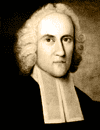
The Nature and End of Excommunication by Jonathan Edwards | Jonathan Edwards preaches on the nature and purpose of excommunication based on 1 Corinthians 5:11, emphasizing the duty of the church to maintain purity by casting out visibly wic |

|
Anabaptists and the Bible by John Christian Wenger | John Christian Wenger delves into the foundational Christian doctrines upheld by the original Anabaptists of Switzerland, emphasizing their unwavering commitment to the Apostles' C |