
Hebrews 5:4
Hebrews 5:4 in Multiple Translations
No one takes this honor upon himself; he must be called by God, just as Aaron was.
And no man taketh this honour unto himself, but he that is called of God, as was Aaron.
And no man taketh the honor unto himself, but when he is called of God, even as was Aaron.
And no man who is not given authority by God, as Aaron was, takes this honour for himself.
No one can take the position of high priest for himself; he must be chosen by God, just like Aaron was.
And no man taketh this honor vnto him selfe, but he that is called of God, as was Aaron.
and no one to himself doth take the honour, but he who is called by God, as also Aaron:
Nobody takes this honor on himself, but he is called by God, just like Aaron was.
And no man taketh this honor to himself, but he that is called by God, as was Aaron:
Neither doth any man take the honour to himself, but he that is called by God, as Aaron was.
Furthermore, it is an honor to be a Supreme Priest so no one honors himself by appointing himself to become a Supreme Priest. Instead, God chose each man to become a Supreme Priest, as he chose Aaron to be the first Supreme Priest.
Berean Standard Amplified — Hebrews 5:4
BSA
Word Study
Hover over any word to see its amplified meaning. Click a word to explore its full definition and translation comparisons.
Amplified text is generated using scripting to tie together English translations for comparison. Always refer to the core BSB translation and original Hebrew/Greek text for accuracy. Anomalies may occur.
Hebrews 5:4 Interlinear (Deep Study)
BIB
GRK
και
ουχ
εαυτω
τις
λαμβανει
την
τιμην
αλλα
καλουμενος
υπο
του
θεου
καθαπερ
και
ααρων
και
kai
G2532
and
Conj
ουχ
ou
G3756
no
Particle-N
εαυτω
heautou
G1438
themself
F-3DSM
τις
tis
G5100
one
Indef-NSM
λαμβανει
lambanō
G2983
to take
Verb-PAI-3S
την
ho
G3588
the/this/who
Art-ASF
τιμην
timē
G5092
honor
Noun-ASF
αλλα
alla
G235
but
Conj
καλουμενος
kaleō
G2564
to call: call
Verb-PPP-NSM
υπο
hupo
G5259
by/under: by
Prep
του
ho
G3588
the/this/who
Art-GSM
θεου
theos
G2316
God
Noun-GSM
καθαπερ
kathaper
G2509
just as
Adv
και
kai
G2532
and
Conj
ααρων
Aarōn
G2
Aaron
Noun-PRI
Greek Word Study
Select any word above to explore its original meaning, root, and usage across Scripture.
Use ← → arrow keys to navigate between words.
Greek Word Reference — Hebrews 5:4
και
kai
G2532
"and"
Conj
And or also, a connecting word used to join ideas or words, like in Matthew 2:18 and Hebrews 1:1.
Definition: καί, conj., and __I. Copulative. __1. Connecting single words; __(a) in general: Mat.2:18, 16:1, Mrk.2:15, Luk.8:15, Heb.1:1, al. mult.; repeated before each of the terms in a series, Mat.23:23, Luk.14:21, Rom.7:12, 9:4, al. __(b) connecting numerals (WM, §37, 4): Jhn.2:20, Act.13:20; __(with) joining terms which are not mutually exclusive, as the part with the whole: Mat.8:33, 26:59, Mrk.16:17, Act.5:29, al. __2. Connecting clauses and sentences: Mat.3:12, Act.5:21, al. mult.; esp. __(a) where, after the simplicity of the popular language, sentences are paratactically joined (WM, §60, 3; M, Pr., 12; Deiss., LAE, 128ff.): Mat.1:21, 7:25, Mrk.9:5, Jhn.10:3, al.; __(b) joining affirmative to negative sentences: Luk.3:14, Jhn.4:11, IIIJhn.10; __(with) consecutive, and so: Mat.5:1, 23:32, Heb.3:19, al.; after imperatives, Mat.4:19, Luk.7:7, al.; __(d) = καίτοι, and yet: Mat.3:14, 6:26, Mrk.12:12, Luk.18:7 (Field, Notes, 72), 1Co.5:2, al.; __(e) beginning an apodosis (= Heb. וְ; so sometimes δέ in cl.), then: Luk.2:21, 7:12, Act.1:10; beginning a question (WM, §53, 3a): Mrk.10:26, Luk.10:29, Jhn.9:36. __3. Epexegetic, and, and indeed, namely (WM, §53, 3c): Luk.3:18, Jhn.1:16, Act.23:6, Rom.1:5, 1Co.3:5, al. __4. In transition: Mat.4:23, Mrk.5:1, 21, Jhn.1:19, al.; so, Hebraistically, καὶ ἐγένετο (וַי:הִי; also ἐγένετο δέ), Mrk.1:9 (cf. Luk.5:1; V. Burton, §§357-60; M, Pr., 14, 16). __5. καὶ . . . καί, both . . . and (for τε . . . καί, see: τε); __(a) connecting single words: Mat.10:28, Mrk.4:41, Rom.11:33, al.; __(b) clauses and sentences: Mrk.9:13, Jhn.7:28, 1Co.1:22, al. __II. Adjunctive, also, even, still: Mat.5:39, 40; Mrk.2:28, al. mult.; esp. with pron., adv., etc., Mat.20:4, Jhn.7:47, al; ὡς κ., Act.11:17; καθὼς κ., Rom.15:7; οὑτω κ., Rom.6:11; διὸ κ., Luk.1:35; ὁ κ. (Deiss., BS, 313ff.), Act.13:9; pleonastically, μετὰ κ.. (Bl., §77, 7; Deiss., BS, 265f,), Php.4:3; τί κ., 1 Co 15:29; ἀλλὰ κ., Luk.14:22, Jhn.5:18, al.; καίγε (M, Pr., 230; Burton, §437), Act.17:27; καίπερ, Heb.5:8; κ. ἐάν, see: ἐάν. ἐάν, contr. fr. εἰ ἄν, conditional particle, representing something as "under certain circumstances actual or liable to happen," but not so definitely expected as in the case of εἰ with ind. (Bl., §65, 4; cf. Jhn.13:17, 1Co.7:36), if haply, if; __1. with subjc. (cl.); __(a) pres.: Mat.6:22, Luk.10:6, Jhn.7:17, Rom.2:25, 26 al.; { __(b) aor. (= Lat. fut. pf.): Mat.4:9 16:26 (cf. ptcp. in Luk.9:25; M, Pr., 230), Mrk.3:24, Luk.14:34, Jhn.5:43, Rom.7:2, al.; = cl. εἰ, with opt., Jhn.9:22 11:57, Act.9:2; as Heb. אִם = ὅταν, Jhn.12:32 14:3, I Jhn.2:28 3:2, Heb.3:7" (LXX) . __2. C. indic, (as in late writers, fr. Arist. on; see WH, App., 171; VD, MGr. 2, App., §77; Deiss., BS, 201f., LAE, 155, 254; M, Pr., 168, 187; Bl., §65, 4); __(a) fut.: Mat.18:19 T, Luk.19:40, Act.7:7; __(b) pres.: 1Th.3:8 (see Milligan, in l.). __3. With other particles: ἐ. καί (Bl., §65, 6), Gal.6:1; ἐ. μή (M, Pr., 185, 187; Bl., l.with), with subjc. pres., Mat.10:13, 1Co.8:8, Jas.2:17, 1Jn.3:21; aor., Mat.6:15, Mrk.3:27, Jhn.3:3, Rom.10:15, Gal.1:8 2:16 (see Lft., Ellic., in ll.); ἐ. τε . . . ἐ. τε, [in LXX for אִם . . . אִם, Est.19:13, al.,] Rom.14:8. __4. = cl. ἄν (which see) after relat. pronouns and adverbs (Tdf., Pr., 96; WH, App., 173; M, Pr., 42f.; Bl., §26, 4; Mayser, 152f.; Deiss., BS, 202ff.): ὃς ἐ., Mat.5:19, Mrk.6:22, 23 Luk.17:32, 1Co.6:18, al.; ὅπου ἐ., Mat.8:19; ὁσάκις ἐ., Rev.11:6; οὗ ἐ., 1Co.16:6; καθὸ ἐ., 2Co.8:12; ὅστις ἐ., Gal.5:10. (AS)
Usage: Occurs in 5212 NT verses. KJV: and, also, both, but, even, for, if, or, so, that, then, therefore, when, yet See also: 1 Corinthians 1:1; 1 Corinthians 10:4; 1 Corinthians 16:1.
ουχ
ou
G3756
"no"
Particle-N
This is a strong 'no', used to deny something completely. It appears in the New Testament, such as in Matthew 13:29 and John 1:21. It is a negative answer to a question.
Definition: οὐ, before a vowel with smooth breathing οὐκ, before one with rough breathing οὐχ (but improperly οὐχ ἰδού, Act.2:7, WH, mg.; cf. WH, Intr., §409; M, Pr., 44, 244), [in LXX for אֵין ,אַיִן ,לֹא ;] neg. particle, not, no, used generally with indic, and for a denial of fact (cf . μή); __1. absol. (accented), οὔ, no: Mat.13:29 Jhn.1:21 21:5; οὒ οὕ, Mat.5:37 Jas.5:12. __2. Most frequently negativing a verb or other word, Mat.1:25 10:26, 38, Mrk.3:25 9:37, Jhn.8:29, Act.7:5, Rom.1:16, Php.3:3, al.; in litotes, οὐκ ὀλίγοι (i.e. very many), Act.17:4, al.; οὐκ ἄσημος, Act.21:39; πᾶς . . . οὐ, with verb, (like Heb. כֹּל . . . לֹא), no, none, Mat.24:22, Mrk.13:20, Luk.1:37, Eph.5:5, al.; in disjunctive statements, οὐκ . . . ἀλλά, Luk.8:52 Jhn.1:33 Rom.8:2o, al.; with 2 of person(s) fut. (like Heb. לֹא, with impf.), as emphatic prohibition, Mat.4:7, Luk.4:12, Rom.7:7, al. __3. With another negative, __(a) strengthening the negation: Mrk.5:37, Jhn.8:15 12:19, Act.8:39, al.; __(b) making an affirmative: Act.4:20, 1Co.12:15. __4. With other particles: οὐ μή (see: μή); οὐ μηκέτι, Mat.21:19; with μή interrog., Rom.10:18, 1Co.9:4, 5 11:22. __5. Interrogative, expecting an affirmative answer (Lat. nonne): Mat.6:26, Mrk.4:21, Luk.11:40, Jhn.4:35, Rom.9:21, al. (AS)
Usage: Occurs in 1410 NT verses. KJV: + long, nay, neither, never, no (X man), none, (can-)not, + nothing, + special, un(-worthy), when, + without, + yet but See also: 1 Corinthians 1:16; 1 Corinthians 15:32; 1 Peter 1:8.
εαυτω
heautou
G1438
"themself"
F-3DSM
This reflexive pronoun means 'themself' or 'themselves', referring back to the subject of a sentence, as in Matthew 27:42 and Luke 23:35.
Definition: ἑαυτοῦ, -ῆς, -οῦ, dative -ῷ, etc., accusative -όν, etc., pi. -ῶν, etc. (Att. contr. αὑτοῦ, etc); reflex pron.; __1. prop, of 3rd person (Lat. sui, sibi, se), of himself, herself, itself, etc.: Mat.27:42, Mrk.15:31, Luk.23:35, al.; added to a middle verb, διεμερίσαντο ἑαυτοῖς, Jhn.19:24; to an active verb, Act.14:14 (M, Pr., 157); ἀφ᾽ ἑαυτοῦ, Luk.12:57 21:30, Jhn.5:19, al. (see: ἀπό); δι᾽ ἑαυτοῦ, Rom.14:14; ἐν ἑ., Mat.3:9, Mrk.5:30, al.; εἰς ἑ., Luk.15:17; καθ᾽ ἑαυτόν, Act.28:16, Jas.2:17; παρ᾽ ἑαυτῷ, at his own house, 1Co.16:2; πρὸς ἑ., with, to himself, Luk.18:11; as poss. pron. (with emphasis weakened; see M, Pr., 87f.), τ. ἑαυτῶν νεκρούς, Luk.9:60. __2. As reflexive 1st and 2nd of person(s) (so also frequently in cl., chiefly poetry), Mat.23:31, Mrk.9:50, Rom.8:23, 1Th.2:8, al. __3. In pl., for reciprocal pron., ἀλλήλων, -οις, -ους, of one another, etc.: Mat.21:38, Mrk.16:3, Eph.5:19, al. (AS)
Usage: Occurs in 306 NT verses. KJV: alone, her (own, -self), (he) himself, his (own), itself, one (to) another, our (thine) own(-selves), + that she had, their (own, own selves), (of) them(-selves), they, thyself, you, your (own, own conceits, own selves, -selves) See also: 1 Corinthians 3:18; Galatians 2:20; 1 Peter 1:12.
τις
tis
G5100
"one"
Indef-NSM
This pronoun refers to a person or thing in a general sense, as seen in Luke 9:49 and John 11:1. It can mean someone, anyone, or anything. This term is often used to describe an unspecified individual or object.
Definition: τις, neut., τι, genitive, τινός, enclitic indefinite pron., related to interrog. τίς as πού, πως, ποτέ to ποῦ, πῶς, πότε. __I. As subst., __1. one, a certain one: Luk.9:49, Jhn.11:1, Act.5:25, al.; pl., τίνες, certain, some: Luk.13:1, Act.15:1, Rom.3:8, al. __2. someone, anyone, something, anything: Mat.12:29, Mrk.9:30, Luk.8:46, Jhn.2:25, Act.17:25, Rom.5:7, al.; = indef., one (French on), Mrk.8:4, Jhn.2:25, Rom.8:24, al.; pl., τινες, some, Mrk.14:4, al. __II. II. As adj., __1. a certain: Mat.18:12, Luk.1:5 8:27, Act.3:2, al.; with proper names, Mrk.15:21, Luk.23:26, al.; with genitive partit., Luk.7:19, al. __2. some: Mrk.16:[8], Jhn.5:14, Act.17:21 24:24, Heb.11:40, al. (AS)
Usage: Occurs in 490 NT verses. KJV: a (kind of), any (man, thing, thing at all), certain (thing), divers, he (every) man, one (X thing), ought, + partly, some (man, -body, - thing, -what), (+ that no-)thing, what(-soever), X wherewith, whom(-soever), whose(-soever) See also: 1 Corinthians 1:15; 2 Corinthians 12:17; 1 Peter 2:19.
λαμβανει
lambanō
G2983
"to take"
Verb-PAI-3S
To take or receive something, like in Matthew 26:26, where Jesus takes bread and breaks it. It can also mean to accept or obtain something, and is often translated as receive or accept in the KJV.
Definition: λαμβάνω, [in LXX chiefly for לקח, also for אחז ,לכד ,נשׂא, etc. ;] __1. to take, lay hold of: absol., Mat.26:26, Mrk.14:22; with accusative of thing(s), Mat.5:40 26:52, al. mult.; with accusative of person(s), Mat.21:35, Mrk.12:3, al.; pleonastic λαβών (M, Pr., 230; Bl., §74, 2), Mat.13:31 14:19, al.; so also indic., Mrk.7:27, Jhn.19:1, 40 Rev.8:5, al.; metaphorically, with accusative of thing(s), ἀφορμήν, Rom.7:8, 11; ὑδόδειγμα, Jas.5:10; id. with accusative of person(s), φόβος, Luk.7:16; πνεῦμα, Luk.9:39; πειρασμός, 1Co.10:13; aoristic pf. (M, Pr., 145, 238; BL, §59, 4), Rev.5:7 8:5, al. __2. to receive: absol., opposite to αἰτεῖν, Mat.7:8, al.; διδόναι, Mat.10:8, Act.20:35; with accusative of thing(s), Mat.27:6, Mrk.10:3o, al. mult.; with accusative of person(s), Jhn.6:21 13:20 19:27, 2Jo.10; ῥαπίσμασιν (a vulgarism; Bl., §38, 3), Mrk.14:65; metaphorically, τ. λόγον, Mat.13:20, Mrk.4:16; τ. μαρτυρίαν, Jhn.3:11; τ. ῥήματα, Jhn.12:48; πρόσωπον (Heb. נָשָׂא פָּנִים, Dalman, Words, 30), Luk.20:21, Gal.2:6; ζωὴν αἰώνιον (Dalman, op. cit., 124f.), Mrk.10:30 (cf. ἀνα-, ἀντι-, συν-αντι- (-μαι), ἀπο-, ἐπι-, κατα-, μετα-, παρα-, συν-παρα-, προ-, προσ-, συν-, συν-περι-, ὑπο-λαμβάνω). (AS)
Usage: Occurs in 248 NT verses. KJV: accept, + be amazed, assay, attain, bring, X when I call, catch, come on (X unto), + forget, have, hold, obtain, receive (X after), take (away, up) See also: 1 Corinthians 2:12; John 10:18; 1 Peter 4:10.
την
ho
G3588
"the/this/who"
Art-ASF
The Greek word for 'the' or 'this', used to point out a specific person or thing, like in Acts 17:28. It can also mean 'he', 'she', or 'it'.
Definition: ὁ, ἡ, τό, the prepositive article (ἄρθρον προτακτικόν), originally a demonstr. pron. (so usually in Hom.), in general corresponding to the Eng. definite article. __I. As demonstr. pron. __1. As frequently in Hom., absol., he (she, it), his (etc.): Act.17:28 (quoted from the poet Aratus). __2. Distributive, ὁ μὲν . . . ὁ δέ, the one . . . the other: 1Co.7:7, Gal.4:22; pl., Act.14:4, 17:32, Php.1:16, al.; οἱ μὲν . . . ἄλλοι δέ, Mat.16:14, Jhn.7:12; οἱ μεν̀ . . . ὁδέ, Heb.7:21, 23. __3. In narration (without ὁ μὲν preceding), ὁ δέ, but he: Mat.2:14, Mrk.1:45, Luk.8:21, Jhn.9:38, al. mult. __II. As prepositive article, the, prefixed, __1. to nouns unmodified: ὁ θεός, τὸ φῶς, etc.; to abstract nouns, ἡ σοφία, etc., to pl. nouns which indicate a class, οἱ ἀλώπεκες, foxes, Mat.8:20, al.; to an individual as representing a class, ὁ ἐργάτης, Luk.10:7; with nom. = voc. in addresses, Mat.11:26, Jhn.19:3, Jas.5:1, al.; to things which pertain to one, ἡ χεῖρ, his hand, Mrk.3:1; to names of persons well known or already mentioned; usually to names of countries (originally adjectives), ἡ Ἰουδαία, etc. __2. To modified nouns: with of person(s) pron. genitive, μοῦ, σοῦ, etc.; with poss. pron., ἐμός, σός, etc.; with adj. between the art. and the noun, ὁ ἀγαθὸς ἄνθρωπος, Mat.12:35; the noun foll, by adj., both with art., ὁ ποιμὴν ὁ καλός, Jhn.10:11 (on ὁ ὄχλος πολύς, Jhn.12:9, see M, Pr., 84); before adjectival phrases, ἡ κατ᾽ ἐκλογὴν πρόθεσις, Rom.9:11. __3. To Other parts of speech used as substantives; __(a) neuter adjectives: τ. ἀγαθόν, etc.; __(b) cardinal numerals: ὁ εἶς, οἷ δύο, etc.; __(with) participles: ὁ βαπτίζων (= ὁ Βαπτιστής, Mat.14:2), Mrk.6:14; πᾶς ὁ, with ptcp., every one who, etc.; __(d) adverbs: τὸ πέραν, τὰ νῦν, ὁ ἔσω ἄνθρωπος; __(e) infinitives: nom., τὸ θέλειν, Rom.7:18, al.; genitive, τοῦ, after adjectives, ἄξιον τοῦ πορεύεσθαι, 1Co.16:4; verbs, ἐλαχεν τοῦ θυμιᾶσαι, Luk.1:9; and frequently in a final sense, ἐξῆλθεν ὁ σπείρειν, Mat.13:3 (on the artic. inf., see Bl., §71). __4. In the neut. to sentences, phrases or single words treated as a quotation: τὸ Ἐι δύνῃ, Mrk.9:23; τὸ ἔτι ἅπαξ, Heb.12:27; τὸ ἀνέβη, Eph.4:9, al. __5. To prepositional phrases: οἱ ἀπὸ Ἰταλίας, Heb.13:24; οἱ ἐκ νόμου, Rom.4:14; neut. accusative absol., in adverbial phrases, τὸ καθ᾽ ἡμέραν, daily, Luk.11:3; τὸ κατὰ σάρκα, as regards the flesh, Rom.9:5. __6. To nouns in the genitive, denoting kinship, association, etc.: ὁ τοῦ, the son of (unless context indicates a different relationship), Mat.10:2, al.; τὰ τοῦ θεοῦ, the things that pertain to God, Mat.16:23; τὰ τῆς εἰρήνης, Rom.14:19 (cf. M, Pr., 81ff.; Bl, §§46, 47). (AS)
Usage: Occurs in 7033 NT verses. KJV: the, this, that, one, he, she, it, etc See also: 1 Corinthians 1:1; 1 Corinthians 7:16; 1 Corinthians 11:24.
τιμην
timē
G5092
"honor"
Noun-ASF
Honor refers to the value or esteem given to someone or something. In the Bible, it can mean a price paid or the dignity and respect given to a person, as seen in Romans 12:10 and 1 Timothy 5:17.
Definition: τιμή, -ῆς, ἡ [in LXX for עֵרֶךְ, יְקָר, etc. ;] a valuing, hence, objectively; __1. a price paid or received: with genitive of person(s), Mat.27:9; with genitive of thing(s), Act.5:2-3; pl., Act.4:34 19:19; τ. αἵματος, Mat.27:6; ἠγοράσθητε τιμῆς, 1Co.6:20 7:23; ὠνεῖσθαι τιμῆς ἀργυρίου, Act.7:16. __2. esteem, honour: Rom.12:10 13:7, 1Co.12:23, 1Ti.5:17 6:1, Heb.5:4, 1Pe.2:7 (R, txt., preciousness, cf. Hort, in l), 1Pe.3:7; τ. διδόναι, 1Co.12:24; ἔχειν, Jhn.4:44, Heb.3:3; τ. καὶ δόξα (δ. κ. τ.), Rom.2:7, 10, 1Ti.1:17, Heb.2:7" (LXX), Heb.2:9, 1Pe.1:7, 2Pe.1:17, Rev.4:9, 11 5:12-13 7:12 21:26; τ. καὶ κράτος, 1Ti.6:16; εἰς τ., Rom.9:21, 2Ti.2:20-21; ἐν τ., Col.2:23; 1Th.4:4; by meton., of marks of honour, Act.28:10.† (AS)
Usage: Occurs in 41 NT verses. KJV: honour, precious, price, some See also: 1 Corinthians 6:20; Acts 28:10; 1 Peter 1:7.
αλλα
alla
G235
"but"
Conj
But is a strong opposing word, used in Matthew 5:15 and John 7:16. It shows contrast or surprise, like in the phrase 'but God' in Romans 3:31.
Definition: ἀλλά (ἀλλ᾽ usually bef. α and υ, often bef. ε and η, rarely bef. ο and ω, never bef. ι; Tdf., Pr., 93 f.; WH, App., 146), adversative particle, stronger than δέ; prop. neuter pl. of ἄλλος, used adverbially, with changed accent; hence prop. otherwise, on the other hand (cf. Rom.3:31); __1. opposing a previous negation, but: οὐ (μὴ) . . . ἀ., Mat.5:15, 17 Mrk.5:39, Jhn.7:16, al.; rhetorically subordinating but not entirely negativing what precedes, οὐ . . . ἀ., not so much . . . as, Mrk.9:37, Mat.10:20, Jhn.12:44, al.; with ellipse of the negation, Mat.11:7-9, Act.19:2, 1Co.3:6 6:11 7:7, 2Co.7:1, Gal.2:3, al.; in opposition to a foregoing pos. sentence, ἀ. οὐ, Mat.24:6, 1Co.10:23; οὐ μόνον . . . ἀ. καί, Jhn.5:18, Rom.1:32, al.; elliptically, after a negation, ἀ. ἵνα, Mrk.14:49, Jhn.1:8 9:3, al.; = εἰ μή (Bl., §77, 13; M, Pr., 241; but cf. WM, §iii, 10), Mat.20:23, Mrk.4:22. __2. Without previous negation, to express opposition, interruption, transition, etc., but: Jhn.16:20 12:27, Gal.2:14; before commands or requests, Act.10:20 26:16, Mat.9:18, Mrk.9:22, al.; to introduce an accessory idea, 2Co.7:11; in the apodosis after a condition or concession with εἰ, ἐάν, εἴπερ, yet, still, at least, Mrk.14:29, 1Co.9:2, 2Co.4:16, Col.2:5, al.; after μέν, Act.4:17, Rom.14:20, 1Co.14:17; giving emphasis to the following clause, ἀλλ᾽ ἔρχεται ὥρα, yea, etc., Jhn.16:2; so with neg., ἀλλ᾽ οὐδέ, nay, nor yet, Luk.23:15. __3. Joined with other particles (a practice which increases in late writers; Simcox, LNT, 166), ἀ. γε, yet at least, Luk.24:21, 1Co.9:2; ἄ ἤ., save only, except, Luk.12:51, 2Co.1:13; ἀ. μὲν οὖν, Php.3:8 (on this usage, see MM, VGT, see word). (AS)
Usage: Occurs in 603 NT verses. KJV: and, but (even), howbeit, indeed, nay, nevertheless, no, notwithstanding, save, therefore, yea, yet See also: 1 Corinthians 1:17; 1 Thessalonians 5:9; 1 Peter 1:15.
καλουμενος
kaleō
G2564
"to call: call"
Verb-PPP-NSM
This word means to call or invite someone, like calling out to them loudly. It's used in Matthew 20:8 and Mark 3:31 to describe calling people to come and follow. This word can also mean to invite someone to a special event or to join in something.
Definition: καλέω, -ῶ, [in LXX chiefly for קרא ;] __1. to call, summon: with accusative of person(s), Mat.20:8 25:14, Mrk.3:31, Luk.19:13, Act.4:18; before ἐκ, Mat.2:15 (LXX); metaphorically, 1Pe.2:9. __2. to call to one's house, invite: Luk.14:16, 1Co.10:27, Rev.19:9; εἰς τ. γάμους, Mat.22:3, 9 Luk.14:8, 9 Jhn.2:2; ὁ καλέσας, Luk.7:39; οἱ κεκλημένοι, Mat.22:8; metaphorically, of inviting to partake of the blessings of the kingdom of God (Dalman, Words, 118f.): Rom.8:30 9:24, 25 1Co.7:17, 18; before εἰς, 1Co.1:9, 1Th.2:12, 1Ti.6:12; ὁ καλῶν (καλέσας), of God, Gal.1:6 5:8, 1Th.5:24, 1Pe.1:15, 2Pe.1:3; οἱ κεκλκλημένοι, Heb.9:15; before ἐν (ἐπί), 1Co.7:15, Gal.5:13, Eph.4:4, 1Th.4:7; κλήσει, Eph.4:1, 2Ti.1:9. __3. to call, name call by name: pass., Mat.2:23, Luk.1:32, al.; καλούμενος, Luk.7:11, Act.7:58, al.; ὁ κ. (Deiss., BS, 210), Luk.6:15 22:3 23:33, Act.10:1, Rev.12:9, al.; with pred nom., Mat.5:9, Luk.1:35, Rom.9:26, Jas.2:23, 1Jn.3:1. (Cf. ἀντι-, ἐν-, εἰσ- (-μαι), ἐπι-, μετα-, παρα-, συν-παρα-, προ-, προσ-, συν-καλέω.) (AS)
Usage: Occurs in 138 NT verses. KJV: bid, call (forth), (whose, whose sur-)name (was (called)) See also: 1 Corinthians 1:9; Luke 2:23; 1 Peter 1:15.
υπο
hupo
G5259
"by/under: by"
Prep
Under or by something, like under a person's authority, as in Matthew 8:9, or under a place, as in Luke 7:8.
Definition: ὑπό (before smooth breathing ὑπ᾽, Mat.8:9b, Luk.7:8b; before rough breathing ὑφ᾽, Rom.3:9; on the neglect of elision in Mt, Lk, ll. witha, Gal.3:22, see WH, App., 146; Tdf., Pr., iv), prep. with genitive, dative (not in NT), accusative __I. C. genitive, primarily of place, under, hence, metaphorically, of the efficient cause, by: after passive verbs, with genitive of person(s), Mat.1:22, Mrk.1:5, Luk.2:18, Jhn.14:21, Act.4:11, 1Co.1:11, Heb.3:4, al.; with genitive of thing(s), Mat.8:24, Luk.7:24, Rom.3:21, al.; with neut. verbs and verbs with pass, meaning, Mat.17:12, Mrk.5:26, 1Co.10:9, 10 1Th.2:14, al. __II. C. accusative, under; __1. of motion: Mat.5:15 8:8, Mrk.4:21, Luk.13:34; hence, metaphorically, of subjection, Rom.7:14, 1Co.15:27, Gal.3:22, 1Pe.5:6, al. __2. Of position: Jhn.1:49, Act.4:12, Rom.3:13, 1Co.10:1, al.; hence, metaphorically, under, subject to, Mat.8:9, Rom.3:9, 1Co.9:20, Gal.4:5, al. __3. Of time, about: Act.5:21. __III. In composition: under (ὑποδέω), hence, of subjection (ὑποτάσσω), compliance (ὑπακούω), secrecy (ὑποβάλλω), diminution (ὑποπνέω). (AS)
Usage: Occurs in 209 NT verses. KJV: among, by, from, in, of, under, with See also: 1 Corinthians 1:11; Hebrews 2:3; 1 Peter 2:4.
του
ho
G3588
"the/this/who"
Art-GSM
The Greek word for 'the' or 'this', used to point out a specific person or thing, like in Acts 17:28. It can also mean 'he', 'she', or 'it'.
Definition: ὁ, ἡ, τό, the prepositive article (ἄρθρον προτακτικόν), originally a demonstr. pron. (so usually in Hom.), in general corresponding to the Eng. definite article. __I. As demonstr. pron. __1. As frequently in Hom., absol., he (she, it), his (etc.): Act.17:28 (quoted from the poet Aratus). __2. Distributive, ὁ μὲν . . . ὁ δέ, the one . . . the other: 1Co.7:7, Gal.4:22; pl., Act.14:4, 17:32, Php.1:16, al.; οἱ μὲν . . . ἄλλοι δέ, Mat.16:14, Jhn.7:12; οἱ μεν̀ . . . ὁδέ, Heb.7:21, 23. __3. In narration (without ὁ μὲν preceding), ὁ δέ, but he: Mat.2:14, Mrk.1:45, Luk.8:21, Jhn.9:38, al. mult. __II. As prepositive article, the, prefixed, __1. to nouns unmodified: ὁ θεός, τὸ φῶς, etc.; to abstract nouns, ἡ σοφία, etc., to pl. nouns which indicate a class, οἱ ἀλώπεκες, foxes, Mat.8:20, al.; to an individual as representing a class, ὁ ἐργάτης, Luk.10:7; with nom. = voc. in addresses, Mat.11:26, Jhn.19:3, Jas.5:1, al.; to things which pertain to one, ἡ χεῖρ, his hand, Mrk.3:1; to names of persons well known or already mentioned; usually to names of countries (originally adjectives), ἡ Ἰουδαία, etc. __2. To modified nouns: with of person(s) pron. genitive, μοῦ, σοῦ, etc.; with poss. pron., ἐμός, σός, etc.; with adj. between the art. and the noun, ὁ ἀγαθὸς ἄνθρωπος, Mat.12:35; the noun foll, by adj., both with art., ὁ ποιμὴν ὁ καλός, Jhn.10:11 (on ὁ ὄχλος πολύς, Jhn.12:9, see M, Pr., 84); before adjectival phrases, ἡ κατ᾽ ἐκλογὴν πρόθεσις, Rom.9:11. __3. To Other parts of speech used as substantives; __(a) neuter adjectives: τ. ἀγαθόν, etc.; __(b) cardinal numerals: ὁ εἶς, οἷ δύο, etc.; __(with) participles: ὁ βαπτίζων (= ὁ Βαπτιστής, Mat.14:2), Mrk.6:14; πᾶς ὁ, with ptcp., every one who, etc.; __(d) adverbs: τὸ πέραν, τὰ νῦν, ὁ ἔσω ἄνθρωπος; __(e) infinitives: nom., τὸ θέλειν, Rom.7:18, al.; genitive, τοῦ, after adjectives, ἄξιον τοῦ πορεύεσθαι, 1Co.16:4; verbs, ἐλαχεν τοῦ θυμιᾶσαι, Luk.1:9; and frequently in a final sense, ἐξῆλθεν ὁ σπείρειν, Mat.13:3 (on the artic. inf., see Bl., §71). __4. In the neut. to sentences, phrases or single words treated as a quotation: τὸ Ἐι δύνῃ, Mrk.9:23; τὸ ἔτι ἅπαξ, Heb.12:27; τὸ ἀνέβη, Eph.4:9, al. __5. To prepositional phrases: οἱ ἀπὸ Ἰταλίας, Heb.13:24; οἱ ἐκ νόμου, Rom.4:14; neut. accusative absol., in adverbial phrases, τὸ καθ᾽ ἡμέραν, daily, Luk.11:3; τὸ κατὰ σάρκα, as regards the flesh, Rom.9:5. __6. To nouns in the genitive, denoting kinship, association, etc.: ὁ τοῦ, the son of (unless context indicates a different relationship), Mat.10:2, al.; τὰ τοῦ θεοῦ, the things that pertain to God, Mat.16:23; τὰ τῆς εἰρήνης, Rom.14:19 (cf. M, Pr., 81ff.; Bl, §§46, 47). (AS)
Usage: Occurs in 7033 NT verses. KJV: the, this, that, one, he, she, it, etc See also: 1 Corinthians 1:1; 1 Corinthians 7:16; 1 Corinthians 11:24.
θεου
theos
G2316
"God"
Noun-GSM
This word simply means God, referring to the one true deity. It is used throughout the New Testament, including in Matthew 27:46 and Acts 14:11, to describe the supreme being and creator of the universe.
Definition: θεός, -οῦ, ὁ, ἡ (Act.19:37 only; see M, Pr., 60, 244), late voc., θεέ (Mat.27:46; cf. Deu.3:24, al.), [in LXX chiefly for אֱלֹהִים, also for אֵל and other cognate forms, יהוה, etc. ;] a god or deity, God. __1. In polytheistic sense, a god or deity: Act.28:6, 1Co.8:4, 2Th.2:4, al.; pl., Ac. 14:11 19:26, Gal.4:8, al. __2. Of the one true God; __(a) anarthrous: Mat.6:24, Luk.20:38, al.; esp. with prep. (Kühner 3, iii, 605), ἀπὸ θ., Jhn.3:2; ἐκ, Act.5:39, 2Co.5:1, Php.3:9; ὑπό, Rom.13:1; παρὰ θεοῦ, Jhn.1:6; παρὰ θεῷ, 2Th.1:6, 1Pe.2:4; κατὰ θεόν, Rom.8:27, 2Co.7:9, 10; also when in genitive dependent on an anarth. noun (Bl., §46, 6), Mat.27:43, Luk.3:2, Rom.1:17, 1Th.2:13; as pred., Lk 20:38, Jhn.1:1, and when the nature and character rather than the person of God is meant, Act.5:29, Gal.2:6, al. (M, Th., 14); __(b) more freq., with art.: Mat.1:23, Mrk.2:7, al. mult.; with prep., ἀπὸ τ. θ., Luk.1:26; ἐκ, Jhn.8:42, al.; παρὰ τοῦ θ., Jhn.8:40; π. τῷ θ., Rom.9:14; ἐν, Col.3:3; ἐπὶ τῷ θ., Luk.1:47; ἐπὶ τὸν θ., Act.15:19; εἰς τ. θ., Act.24:15; πρὸς τ. θ., Jhn.1:2; with genitive of person(s), Mat.22:32, Mrk.12:26, 27, Luk.20:37, Jhn.20:17, al.; ὁ θ. μου, Rom.1:8, Php 1:3, al.; ὁ θ. καὶ πατήρ κ. τ. λ., Rom.15:6, Eph.1:3, Phi 4:20, al.; with genitive of thing(s), Rom.15:5, 13, 33, 2Co.1:3, 1Th.5:23; τὰ τ. θεοῦ, Mat.16:23, Mrk.12:17, 1Co.2:11; τὰ πρὸς τὸν θ., Rom.15:17, Heb.2:17 5:1; τ. θεῷ, as a superl. (LXX, Jos.3:3), Act.7:20, 2Co.10:4; Hebraistically, of judges (Psa.81(82):6), Jhn.10:34" (LXX), 35. (AS)
Usage: Occurs in 1170 NT verses. KJV: X exceeding, God, god(-ly, -ward) See also: 1 Corinthians 1:1; 1 John 4:2; 1 Peter 1:2.
καθαπερ
kathaper
G2509
"just as"
Adv
This word means just as or exactly like, used for comparisons. It's found in Romans, 1 and 2 Corinthians, and other letters to show similarities or equalities.
Definition: καθάπερ (for καθ᾽ ἅπερ = καθά) adv., [in LXX for אֲשֶׁר, Gen.12:4, Exo.7:6, al. ;] just as, even as: Rom.3:4 4:6 9:13 10:15 11:8 12:4, 1Co.10:10 12:12, 2Co.1:14 3:13 3:18 8:11, 1Th.2:11 3:6 3:12 4:6, Heb.4:2.† (AS)
Usage: Occurs in 13 NT verses. KJV: (even, as well) as See also: 1 Corinthians 12:12; 2 Corinthians 3:13; Hebrews 4:2.
και
kai
G2532
"and"
Conj
And or also, a connecting word used to join ideas or words, like in Matthew 2:18 and Hebrews 1:1.
Definition: καί, conj., and __I. Copulative. __1. Connecting single words; __(a) in general: Mat.2:18, 16:1, Mrk.2:15, Luk.8:15, Heb.1:1, al. mult.; repeated before each of the terms in a series, Mat.23:23, Luk.14:21, Rom.7:12, 9:4, al. __(b) connecting numerals (WM, §37, 4): Jhn.2:20, Act.13:20; __(with) joining terms which are not mutually exclusive, as the part with the whole: Mat.8:33, 26:59, Mrk.16:17, Act.5:29, al. __2. Connecting clauses and sentences: Mat.3:12, Act.5:21, al. mult.; esp. __(a) where, after the simplicity of the popular language, sentences are paratactically joined (WM, §60, 3; M, Pr., 12; Deiss., LAE, 128ff.): Mat.1:21, 7:25, Mrk.9:5, Jhn.10:3, al.; __(b) joining affirmative to negative sentences: Luk.3:14, Jhn.4:11, IIIJhn.10; __(with) consecutive, and so: Mat.5:1, 23:32, Heb.3:19, al.; after imperatives, Mat.4:19, Luk.7:7, al.; __(d) = καίτοι, and yet: Mat.3:14, 6:26, Mrk.12:12, Luk.18:7 (Field, Notes, 72), 1Co.5:2, al.; __(e) beginning an apodosis (= Heb. וְ; so sometimes δέ in cl.), then: Luk.2:21, 7:12, Act.1:10; beginning a question (WM, §53, 3a): Mrk.10:26, Luk.10:29, Jhn.9:36. __3. Epexegetic, and, and indeed, namely (WM, §53, 3c): Luk.3:18, Jhn.1:16, Act.23:6, Rom.1:5, 1Co.3:5, al. __4. In transition: Mat.4:23, Mrk.5:1, 21, Jhn.1:19, al.; so, Hebraistically, καὶ ἐγένετο (וַי:הִי; also ἐγένετο δέ), Mrk.1:9 (cf. Luk.5:1; V. Burton, §§357-60; M, Pr., 14, 16). __5. καὶ . . . καί, both . . . and (for τε . . . καί, see: τε); __(a) connecting single words: Mat.10:28, Mrk.4:41, Rom.11:33, al.; __(b) clauses and sentences: Mrk.9:13, Jhn.7:28, 1Co.1:22, al. __II. Adjunctive, also, even, still: Mat.5:39, 40; Mrk.2:28, al. mult.; esp. with pron., adv., etc., Mat.20:4, Jhn.7:47, al; ὡς κ., Act.11:17; καθὼς κ., Rom.15:7; οὑτω κ., Rom.6:11; διὸ κ., Luk.1:35; ὁ κ. (Deiss., BS, 313ff.), Act.13:9; pleonastically, μετὰ κ.. (Bl., §77, 7; Deiss., BS, 265f,), Php.4:3; τί κ., 1 Co 15:29; ἀλλὰ κ., Luk.14:22, Jhn.5:18, al.; καίγε (M, Pr., 230; Burton, §437), Act.17:27; καίπερ, Heb.5:8; κ. ἐάν, see: ἐάν. ἐάν, contr. fr. εἰ ἄν, conditional particle, representing something as "under certain circumstances actual or liable to happen," but not so definitely expected as in the case of εἰ with ind. (Bl., §65, 4; cf. Jhn.13:17, 1Co.7:36), if haply, if; __1. with subjc. (cl.); __(a) pres.: Mat.6:22, Luk.10:6, Jhn.7:17, Rom.2:25, 26 al.; { __(b) aor. (= Lat. fut. pf.): Mat.4:9 16:26 (cf. ptcp. in Luk.9:25; M, Pr., 230), Mrk.3:24, Luk.14:34, Jhn.5:43, Rom.7:2, al.; = cl. εἰ, with opt., Jhn.9:22 11:57, Act.9:2; as Heb. אִם = ὅταν, Jhn.12:32 14:3, I Jhn.2:28 3:2, Heb.3:7" (LXX) . __2. C. indic, (as in late writers, fr. Arist. on; see WH, App., 171; VD, MGr. 2, App., §77; Deiss., BS, 201f., LAE, 155, 254; M, Pr., 168, 187; Bl., §65, 4); __(a) fut.: Mat.18:19 T, Luk.19:40, Act.7:7; __(b) pres.: 1Th.3:8 (see Milligan, in l.). __3. With other particles: ἐ. καί (Bl., §65, 6), Gal.6:1; ἐ. μή (M, Pr., 185, 187; Bl., l.with), with subjc. pres., Mat.10:13, 1Co.8:8, Jas.2:17, 1Jn.3:21; aor., Mat.6:15, Mrk.3:27, Jhn.3:3, Rom.10:15, Gal.1:8 2:16 (see Lft., Ellic., in ll.); ἐ. τε . . . ἐ. τε, [in LXX for אִם . . . אִם, Est.19:13, al.,] Rom.14:8. __4. = cl. ἄν (which see) after relat. pronouns and adverbs (Tdf., Pr., 96; WH, App., 173; M, Pr., 42f.; Bl., §26, 4; Mayser, 152f.; Deiss., BS, 202ff.): ὃς ἐ., Mat.5:19, Mrk.6:22, 23 Luk.17:32, 1Co.6:18, al.; ὅπου ἐ., Mat.8:19; ὁσάκις ἐ., Rev.11:6; οὗ ἐ., 1Co.16:6; καθὸ ἐ., 2Co.8:12; ὅστις ἐ., Gal.5:10. (AS)
Usage: Occurs in 5212 NT verses. KJV: and, also, both, but, even, for, if, or, so, that, then, therefore, when, yet See also: 1 Corinthians 1:1; 1 Corinthians 10:4; 1 Corinthians 16:1.
ααρων
Aarōn
G2
"Aaron"
Noun-PRI
Aaron was the brother of Moses, as mentioned in Luke 1:5 and Acts 7:40. He is an important figure in the Bible. The KJV simply translates it as Aaron.
Definition: Ἀαρών (Heb. אַהֲרוֹן), indecl. (in FlJ, -ῶνος), Aaron (Exo.4:14, al.): Luk.1:5, Act.7:40, Heb.5:4, 7:11, 9:4.† (AS)
Usage: Occurs in 5 NT verses. KJV: Aaron See also: Acts 7:40; Hebrews 7:11; Hebrews 5:4.
Study Notes — Hebrews 5:4
Show Verse Quote Highlights
- Context
- Cross References
- Hebrews 5:4 Summary
- Frequently Asked Questions
- Reflection Questions
- Gill's Exposition on Hebrews 5:4
- Jamieson-Fausset-Brown on Hebrews 5:4
- Matthew Poole's Commentary on Hebrews 5:4
- Trapp's Commentary on Hebrews 5:4
- Ellicott's Commentary on Hebrews 5:4
- Adam Clarke's Commentary on Hebrews 5:4
- Cambridge Bible on Hebrews 5:4
- Barnes' Notes on Hebrews 5:4
- Whedon's Commentary on Hebrews 5:4
- Sermons on Hebrews 5:4
Context — The Perfect High Priest
2He is able to deal gently with those who are ignorant and misguided, since he himself is subject to weakness.
3That is why he is obligated to offer sacrifices for his own sins, as well as for the sins of the people.
4No one takes this honor upon himself; he must be called by God, just as Aaron was.
5So also Christ did not take upon Himself the glory of becoming a high priest, but He was called by the One who said to Him: “You are My Son; today I have become Your Father.” 6And in another passage God says: “You are a priest forever in the order of Melchizedek.”Cross References
| Reference | Text (BSB) | |
|---|---|---|
| 1 | Exodus 28:1 | “Next, have your brother Aaron brought to you from among the Israelites, along with his sons Nadab, Abihu, Eleazar, and Ithamar, to serve Me as priests. |
| 2 | Numbers 16:40 | just as the LORD commanded him through Moses. This was to be a reminder to the Israelites that no outsider who is not a descendant of Aaron should approach to offer incense before the LORD, lest he become like Korah and his followers. |
| 3 | Numbers 16:5 | Then he said to Korah and all his followers, “Tomorrow morning the LORD will reveal who belongs to Him and who is holy, and He will bring that person near to Himself. The one He chooses, He will bring near to Himself. |
| 4 | 2 Chronicles 26:18 | They took their stand against King Uzziah and said, “Uzziah, you have no right to offer incense to the LORD. Only the priests, the descendants of Aaron, are consecrated to burn incense. Leave the sanctuary, for you have acted unfaithfully; you will not receive honor from the LORD God.” |
| 5 | 1 Chronicles 23:13 | The sons of Amram: Aaron and Moses. Aaron and his descendants were set apart forever to consecrate the most holy things, to burn incense before the LORD, to minister before Him, and to pronounce blessings in His name forever. |
| 6 | Numbers 16:35 | And fire came forth from the LORD and consumed the 250 men who were offering the incense. |
| 7 | John 3:27 | John replied, “A man can receive only what is given him from heaven. |
| 8 | Numbers 18:7 | But only you and your sons shall attend to your priesthood for everything concerning the altar and what is inside the veil, and you are to perform that service. I am giving you the work of the priesthood as a gift, but any outsider who comes near the sanctuary must be put to death.” |
| 9 | Numbers 16:46–48 | Moses said to Aaron, “Take your censer, place fire from the altar in it, and add incense. Go quickly to the congregation and make atonement for them, because wrath has come out from the LORD; the plague has begun.” So Aaron took the censer as Moses had ordered and ran into the midst of the assembly. And seeing that the plague had begun among the people, he offered the incense and made atonement for the people. He stood between the living and the dead, and the plague was halted. |
| 10 | Numbers 18:1–5 | So the LORD said to Aaron, “You and your sons and your father’s house must bear the iniquity involving the sanctuary. And you and your sons alone must bear the iniquity involving your priesthood. But bring with you also your brothers from the tribe of Levi, the tribe of your father, that they may join you and assist you and your sons before the Tent of the Testimony. And they shall attend to your duties and to all the duties of the Tent; but they must not come near to the furnishings of the sanctuary or the altar, or both they and you will die. They are to join you and attend to the duties of the Tent of Meeting, doing all the work at the Tent; but no outsider may come near you. And you shall attend to the duties of the sanctuary and of the altar, so that wrath may not fall on the Israelites again. |
Hebrews 5:4 Summary
[This verse means that to be a spiritual leader, you must be chosen by God, not just decide to do it yourself. It's like being picked for a special team, but God is the one doing the choosing (1 Corinthians 12:28-30). Just like Aaron, who was called by God to be a priest, we need to wait for God's call and appointment before taking on a leadership role (Numbers 16:5). This verse is important because it reminds us that God is the one who gives us our roles and responsibilities, and we should trust in His sovereignty and timing (Psalm 37:3-7).]
Frequently Asked Questions
What does it mean to be called by God in Hebrews 5:4?
To be called by God means that He has chosen and appointed someone for a specific task or role, as seen in the example of Aaron, who was called by God to be a high priest (Exodus 4:14, Numbers 16:5).
Can anyone become a spiritual leader or priest without being called by God?
According to Hebrews 5:4, no one takes this honor upon themselves, they must be called by God, emphasizing the importance of divine appointment and ordination (Jeremiah 23:21, 1 Peter 5:1-4).
How does this verse relate to Jesus Christ?
This verse is used to introduce the concept that Jesus Christ, our high priest, did not take upon Himself this role, but was called by God the Father (Hebrews 5:5, Psalm 2:7).
What is the significance of the example of Aaron in this verse?
The example of Aaron highlights the importance of divine appointment and the need for humility in leadership, as Aaron was called by God to be a high priest, and his descendants followed in his footsteps (Leviticus 8:12, Numbers 3:10).
Reflection Questions
- What does it mean to be called by God in my own life, and how can I discern His calling?
- How can I humble myself and wait for God's appointment, rather than taking matters into my own hands?
- What are some ways that I can trust in God's sovereignty and timing, even when I feel uncertain about my role or purpose?
- How can I support and pray for those who have been called by God to leadership roles in my church or community?
Gill's Exposition on Hebrews 5:4
And no man taketh this honour to himself,.... That is, the honour of the priesthood: the office of the high priest was a very honourable one; it was a peculiar honour to Aaron, and his sons, to be
Jamieson-Fausset-Brown on Hebrews 5:4
And no man taketh this honour unto himself, but he that is called of God, as was Aaron. No man - of any family but Aaron's, according to the Mosaic law, can take the high priesthood. But he that is called. So Delta.
Matthew Poole's Commentary on Hebrews 5:4
This connecteth the last thing describing the typical Levitical priesthood, their call to it. And no man taketh this honour unto himself; not any person whatsoever hath or can lawfully take to himself the honourable office of a high priest, so as to be the author or end of it. Many have usurped this office, and others have distributed it contrary to God’ s law, whose priesthood, offerings, and ministry are no true ones, especially where men are self-officiating, corruptly managing of it, as Eli’ s sons and Jeroboam’ s priests, or self-benefiting by it, , &c.; . This was so honourable an office as it was united to the princedom in Melchisedec and Jethro. But he that is called of God, as was Aaron; he that is according to God’ s law, (the Author of this priesthood, its work and success), qualified in himself, separated from others, and actually honoured by God with it, he onght to take this office and execute his work in it to God’ s glory, depending on him for his blessing. Aaron is the particular instance of the Divine call to this office. God separated his tribe, family, and person for his service in the room of the first-born: God qualified him for it, entailed the high priesthood to his seed and offspring with the subordinate priesthood. He solemnly consecrated him by Moses, confirmed him in his work by fire from heaven at his first sacrifice, and vindicates his own call of him to it by the blossoming rod, and destroying the rivals with him for it, ,30 Numbers 16:35 17:5.
Trapp's Commentary on Hebrews 5:4
4 And no man taketh this honour unto himself, but he that is called of God, as was Aaron. Ver. 4. And no man taketh, &c.] Or if he do, he shall smoke and smart for it, as did Nadab and Abihu, Uzzah and Uzziah, &c. In physicis aer non facit seipsum ignem, sed fit a superiori, as Aquinas noteth upon ft, is text. No man might come uncalled to the king of Persia upon pain of death. What then shall become of such as come without a call to the King of heaven? Christ would not let the devil preach him, Mark 1:13, quia extra vocationem, as one well notes, because he had no calling to such an office.
Ellicott's Commentary on Hebrews 5:4
(4) But he that is called.—The true reading requires, when he is called. “Not unto himself doth any man take the honour, but when . . .”
Adam Clarke's Commentary on Hebrews 5:4
Verse 4. This honour] τηντιμην undoubtedly signifies here the office, which is one meaning of the word in the best Greek writers. It is here an honourable office, because the man is the high priest of God, and is appointed by God himself to that office. But he that is called of God, as was Aaron.] God himself appointed the tribe and family out of which the high priest was to be taken, and Aaron and his sons were expressly chosen by God to fill the office of the high priesthood. As God alone had the right to appoint his own priest for the Jewish nation, and man had no authority here; so God alone could provide and appoint a high priest for the whole human race. Aaron was thus appointed for the Jewish people; Christ, for all mankind. Some make this "an argument for the uninterrupted succession of popes and their bishops in the Church, who alone have the authority to ordain for the sacerdotal office; and whosoever is not thus appointed is, with them, illegitimate." It is idle to employ time in proving that there is no such thing as an uninterrupted succession of this kind; it does not exist, it never did exist. It is a silly fable, invented by ecclesiastical tyrants, and supported by clerical coxcombs. But were it even true, it has nothing to do with the text. It speaks merely of the appointment of a high priest, the succession to be preserved in the tribe of Levi, and in the family of Aaron.
But even this succession was interrupted and broken, and the office itself was to cease on the coming of Christ, after whom there could be no high priest; nor can Christ have any successor, and therefore he is said to be a priest for ever, for he ever liveth the intercessor and sacrifice for mankind. The verse, therefore, has nothing to do with the clerical office, with preaching God's holy word, or administering the sacraments; and those who quote it in this way show how little they understand the Scriptures, and how ignorant they are of the nature of their own office.
Cambridge Bible on Hebrews 5:4
4. this honour] i.e. this honourable office. We have here the second Qualification for Priesthood. A man’s own caprice must not be the Bishop which ordains him. He must be conscious of a divine call.but he that is called of God] Rather, “but on being called by God,” or “when he is called by God.” Great stress is laid on this point in Scripture (Exodus 28:1). Any “stranger that cometh nigh”—i.e. that intruded unbidden into the Priesthood—was to be put to death (Numbers 3:10). The fate of Korah and his company (Numbers 16:40), and of Uzziah, king though he was (2 Chronicles 26:18-21), served as a terrible warning, and it was recorded as a special aggravation of Jeroboam’s impiety that “he made priests of the lowest of the people, which were not of the sons of Levi” (1 Kings 12:31). In one of the Jewish Midra-shim, Moses says to Korah “if Aaron, my brother, had taken upon himself the priesthood, ye would be excusable for murmuring against him; “but God gave it to him.” Some have supposed that the writer here reflects obliquely upon the High Priests of that day—alien Saddu-cees, not descended from Aaron (Jos. Antt. xx. 10) who had been introduced into the Priesthood from Babylonian families by Herod the Great, and who kept the highest office, with frequent changes, as a sort of apanage of their own families—the Boethusim, the Kantheras, the Kamhits, the Beni-Hanan. For the characteristics of these Priests, who completely degraded the dignity in the eyes of the people, see my Life of Christy ii. 330, 342. In the energetic maledictions pronounced upon them in more than one passage of the Talmud, they are taunted with not being true sons of Aaron.
But it is unlikely that the writer should make this oblique allusion. He was an Alexandrian; he was not writing to the Hebrews of Jerusalem; and these High Priests had been in possession of the office for more than half a century.as was Aaron] The original is more emphatic “exactly as even Aaron was” (Numbers 16-18). The true Priest must be a divinely-appointed Aaron, not a self-constituted Korah.
Barnes' Notes on Hebrews 5:4
And no man taketh this honor to himself - No one has a right to enter on this office unless he has the qualifications which God has prescribed.
Whedon's Commentary on Hebrews 5:4
4. Taketh… unto himself—Who-so, like the sons of Korah or like King Uzziah, assumes the office without divine warrant, is a usurper.
Sermons on Hebrews 5:4
| Sermon | Description | |
|---|---|---|

|
(Church Leadership) 12. Hating Spiritual Death by Zac Poonen | In this sermon, the speaker emphasizes the importance of discernment and not being fooled by false teachings. He warns against being swayed by psychological gimmicks and encourages |

|
Hebrews 5;13-16 Missionary Conf. by J.M. Davies | In this sermon, the speaker divides the portion of scripture into seven sections. The first section, verses 11 and 12, contains a sharp rebuke for the listeners who are described a |

|
The Tears of the Saviour by Ian Paisley | In this sermon, the speaker emphasizes the importance of studying and digging into the Word of God. He encourages the audience to have a greater love for God's Word and to engage i |

|
The Issue Is Knowing God by Robert B. Thompson | In this sermon, the speaker reflects on a personal struggle they faced regarding the idea of taking action versus waiting on God's guidance. They were torn between the urgency of t |

|
Introduction: The Call to the Ministry by Chuck Smith | Chuck Smith emphasizes the significance of a divine calling in ministry, asserting that true ministry is not a profession but a calling from God. He shares personal experiences of |

|
The Dignity of the Sacrament and of the Priesthood by Thomas a Kempis | Thomas a Kempis emphasizes the sacredness and dignity of priests in administering the Sacrament of Christ, highlighting that it is a divine calling rather than a human merit. He st |
|
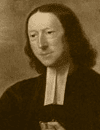
The Ministerial Office by John Wesley | John Wesley discusses the distinction between the ministerial offices of preaching and priesthood, emphasizing that while all are called to preach the gospel, not all are called to |