
A Christian is led by the Spirit when the Holy Spirit governs his heart and life, turning him from sin to Christ, to the truth and to holiness. The preachers quoted here explain Romans 8:14 and Galatians 5:18, show that the Spirit's leading always agrees with Scripture, and warn against taking an untested impression for His voice.
A Christian is led by the Spirit when the Holy Spirit who lives in him governs his heart and life, turning him from sin to Christ, to the truth and to holiness. Paul makes this the mark of every child of God: "For all who are led by the Spirit of God are sons of God." (Romans 8:14). The preachers quoted here say that this leading is chiefly a leading into holiness, that it always agrees with the written word, and that an impression is not to be taken for the voice of the Spirit until it has been tried by Scripture. Charles Spurgeon said, "Those who are not led by the Spirit of God are not His sons."1
The mark of every child of God
Paul does not say that some eminent believers are led by the Spirit. He says that all who are so led are sons of God. Benjamin Warfield wrote, "Approaching the text in this serious mood, the first thing that strikes us is that the leading of the Spirit of God of which it speaks is not something peculiar to eminent saints, but something common to all God's children, the universal possession of the people of God."2 He added, "All who are led by the Spirit of God are thereby constituted the sons of God, and none can claim the high title of sons of God who are not led by the Spirit of God."3 He would not have it thought a rare gift: "This leading of the Spirit is not some peculiar gift reserved for special sanctity and granted as the reward of high merit alone."4 He wrote, "It is not the reward of special spiritual attainment; it is the condition of all spiritual attainment."5 George Whitefield said, "For they only that are led by the Spirit of Christ, are the true sons of God."6 Thomas Watson gave it as a sign of adoption: "It is not enough that the child have life, but it must be led every step by the nurse; so the adopted child must not only be born of God, but have the manuduction of the Spirit to lead him in a course of holiness."7
The same chapter says, "if anyone does not have the Spirit of Christ, he does not belong to Christ." (Romans 8:9). To have the Spirit and to be led by Him go together.
What it means to be led
To be led is to be under the direction of another. Spurgeon said, "There is an evil spirit in the world, and it leads the mass of mankind."8 Hugh Binning wrote, "But consider, that as many as are the sons of God, are led by the Spirit of God,—they have gotten a new leader and guide, other than their own fancy or humour, which once they followed in the ignorance of their hearts."9 He said of the old life, "It is lamentable to conceive how the most part of us are acted, and driven, and carried headlong, rather than gently led, by our own carnal and corrupt inclinations."10 Robert Haldane wrote, "In spiritual things we are as little children, who, on account of their weakness, have need to be led by the hand that they may not fall."11 He concluded, "It is necessary, then, that believers be led by the Spirit of God."12
Warfield weighed the word Paul chose. He wrote, "Spiritual leading itself is not a leading of ourselves by ourselves, but a leading of us by the Holy Ghost."13 The believer is not carried without effort of his own. Warfield wrote, "If one is not led, in the sense of our text, when he is merely guided, it is equally true that one is not led when he is carried."14 He wrote of Paul, "But he does not encourage us to relax our own endeavors; for he who is led, even though it be by the Spirit of God, advances by virtue of his own powers and his own efforts."15 Spurgeon said that a leader gives more than directions: "There is a great difference between a guide and a leader—but still there is a measure of power given by a leader who leads in the way."8 He said of the Spirit, "Not merely the knowledge and the acquiescence in the knowledge of God's will, but the power to carry out that will comes from Him, and from Him only!"8 Paul puts both sides together: "For it is God who works in you to will and to act on behalf of His good purpose." (Philippians 2:13).
He leads to repentance and to Christ
The first place the Spirit brings a man is to sorrow for sin and to the cross. Spurgeon said, "One of the first acts of the Holy Spirit is to guide the sons of God to the Mercy Seat with tears in their eyes."1 He said, "No man ever goes to the chamber of true repentance till the Holy Spirit leads him there, but every child of God knows what it is to look on Him whom he has pierced and mourn for his sin."1 The Lord Jesus said of the Spirit, "He will glorify Me by taking from what is Mine and disclosing it to you." (John 16:14). Spurgeon drew a test from this: "The Spirit of God never led a man to think little of Christ and much of priests."1 He said, "The Spirit of God sinks the man and lifts up the Savior!"1
A.W. Pink wrote, "Second, just so far as we are governed by the Spirit of God are we brought to occupation with Christ."16 H.A. Ironside wrote, "The man who follows the leading of the Holy Spirit of God must see in Jesus Christ, God the Son become man for our redemption."17 A leading that makes much of self and little of Christ is not from the Spirit of God.
He leads into the truth
The Lord promised, "when the Spirit of truth comes, He will guide you into all truth." (John 16:13). Spurgeon said, "You may go to college and sit at the feet of the most learned Gamaliel of the day, but you can never know the Truth of God in the heart unless the Holy Spirit shall teach you."1 He wrote of this promise, "The Holy Spirit, who knows all truth perfectly, is the appointed guide of all true believers, and He conducts them as they are able to bear it, from one inner chamber to another, so that they behold the deep things of God, and His secret is made plain to them."18 Stephen Charnock wrote, "The property of the Spirit is to guide us into sanctifying truth, and sanctify us by that truth"19.
Charles Hodge described what this inward teaching is for: "The object of the inward teaching of the Spirit is to enable us to discern the truth and excellence of what is already objectively revealed in the Bible."20 It is not a second Bible. It is light on the Bible already given. Warfield kept this promise apart from the text in Romans. He wrote, "But this guidance into truth by the Holy Spirit is something very different from the leading of the Spirit spoken of in our present text, and it is appropriately expressed by a different term."21 Spurgeon, preaching on the same text, counted the leading into truth as part of it. Both agree that the Spirit does each work.
He leads into holiness
Paul's words about being led follow directly on this: "For if you live according to the flesh, you will die; but if by the Spirit you put to death the deeds of the body, you will live." (Romans 8:13). The leading of verse 14 is the leading by which sin is put to death. Haldane wrote, "But he is led by the Spirit, who, though enticed by the flesh to walk in a contrary direction, yet resists and contends against it, and mortifies the deeds of the body."22 He added, "The Holy Spirit thus leads those in whom He dwells to the mortification of sin."23 Warfield wrote, "The leading of the Holy Spirit is always for good, but it is not for all goods, but specifically for spiritual and eternal good."24 He said what it is given for: "It is given specifically to save us from sinning, to lead us in the paths of holiness and truth."25 Watson wrote, "The fleshy part inclines to sin; the understanding and conscience are to guide the will, but the will is imperious and rebels; therefore, God's children need the Spirit to check corruption and lead them in the right way."26
Spurgeon would not define holiness but pointed to its opposites. He said, "Beloved, if you are of a fierce, unforgiving spirit, the Holy Spirit never led you there."1 He went on, "If you are proud and hectoring, the Holy Spirit never led you."1 He said again, "If you are covetous and lustful after worldly gain, the Holy Spirit never led you there."1 In another place he wrote, "The Spirit of God also turns us toward holiness, makes us heartily to appreciate, love, and desire it, and thus gives us the impetus by which we are led onward from stage to stage of sanctification."27 Jonathan Edwards wrote, "For, as has been observed, the Spirit of God in this his divine teaching and leading gives the soul a natural relish of the sweetness of that which is holy, and of everything that is holy, so far as it comes in view and excites a disrelish and disgust of everything that is unholy."28 Pink wrote, "The Spirit leads the Christian away from the vanities of the world to the satisfying delight which is to be found in the Lord."16 He wrote of the Spirit, "His aim is to conform us more and more to the image of Christ."16 Zac Poonen wrote, "The Holy Spirit in us will lead us, as He led Jesus, always along the way of the cross."29
He leads into love, prayer and service
Spurgeon named other places to which the Spirit brings the sons of God. He said, "The children of God are led not only into knowledge, but into love."1 Of prayer he said, "For instance, the Holy Spirit leads the saints to prayer, which is the vital breath of their souls."1 Of Scripture he said, "The Holy Spirit leads them to search the Word and opens their understandings to receive it."1 Of work for Christ he said, "The Spirit of God, moreover, leads the sons of God into usefulness—some in one path and some in another—while a few are conducted into very eminent service and into self-consecration of the highest order."1 Paul names the fruit that the Spirit bears: "But the fruit of the Spirit is love, joy, peace, patience, kindness, goodness, faithfulness," (Galatians 5:22) and "gentleness, and self-control." (Galatians 5:23). Where these grow, the Spirit is leading.
Led by the Spirit and not under the law
Paul writes to the Galatians, "So I say, walk by the Spirit, and you will not gratify the desires of the flesh." (Galatians 5:16). He owns that there is a conflict: "For the flesh craves what is contrary to the Spirit, and the Spirit what is contrary to the flesh." (Galatians 5:17). Then he says, "But if you are led by the Spirit, you are not under the law." (Galatians 5:18). Spurgeon said, "The Spirit never brings the soul into bondage!"30
The conflict itself is a good sign. Warfield wrote, "That there is conflict in you, that you do not rest in complacency in your sin, is a proof that the Spirit of God is within you, leading you to holiness."31 Freedom from the law's condemnation is not freedom to sin. What the law commanded and could not produce, the Spirit works in those He leads. God had promised it: "And I will put My Spirit within you and cause you to walk in My statutes and to carefully observe My ordinances." (Ezekiel 36:27).
His leading agrees with the written word
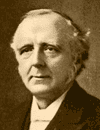
The Spirit who leads is the Spirit who gave the Scriptures, and He does not speak against Himself. The psalmist said, "Your word is a lamp to my feet and a light to my path." (Psalm 119:105). Watson wrote, "The Word's teaching and the Spirit's leading agree together."32 A.B. Simpson wrote, "The Bible is a standard of spiritual truth, and in all His teachings and leadings, the Holy Ghost never contradicts His own word."33 Pink wrote, "The Holy Spirit never prompts anyone to act contrary to the Scriptures."16 A.W. Tozer said, "The Spirit of God never told anybody to do anything contrary to the Word of God."34 F.B. Meyer said, "The Spirit of God and the Word of God are parallel lines."35 Thomas Manton wrote, "The word and the Spirit are often associated, to show they go together."36
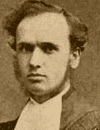
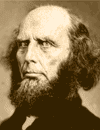
The word and the Spirit are needed together. Simpson wrote, "The word without the Spirit is dry and dead, but the Spirit without the word is incomplete."37 Poonen wrote, "The power of the Holy Spirit known experientially, without the guidance of the written Word would leave a man like a steam engine, full of steam but without any rails to run on."38 Pink wrote, "Wisdom from on High is continually needed to know how to apply the rules of Scripture to all the varied details of our lives."16 Spurgeon gave plain counsel: "When you are in difficulties, consult the Holy Spirit in the Word."1 Charles Finney wrote, "The inward leadings of his Spirit and the written word, are never inconsistent with his providential dispensations."39
The Spirit's leading in the book of Acts
Acts records times when the Spirit gave a servant of Christ a particular direction. He told Philip, "Go over to that chariot and stay by it." (Acts 8:29). At Antioch He said, "Set apart for Me Barnabas and Saul for the work to which I have called them." (Acts 13:2). On Paul's second journey He closed two roads. "After the Holy Spirit had prevented them from speaking the word in the province of Asia, they traveled through the region of Phrygia and Galatia." (Acts 16:6). Then, "And when they came to the border of Mysia, they tried to enter Bithynia, but the Spirit of Jesus would not permit them." (Acts 16:7).
Simpson wrote of Paul, "At one period of his ministry he was in danger of pressing on in his work beyond the divine command, and so, we are told, he was forbidden of the Spirit to preach the Word in Asia, and essayed to go into Bithynia but the Spirit suffered him not."40 Arno Gaebelein wrote that "the Holy Spirit is today the same as He was then, when He suffered them not to minister in Asia and in Bithynia."41 W.H. Griffith Thomas wrote of the way God guided Jacob, "This is ever the way of God's guidance; the conviction of the spirit within, the Word agreeing with it in principle, and then outward circumstances making action possible."42
The same writers add cautions. Paul was called on to Macedonia in a particular way: "During the night, Paul had a vision of a man of Macedonia" (Acts 16:9). Gaebelein wrote that "the vision Paul had must not be taken as the common mode of guidance, nor as something which was to be repeated."43 Simpson, who taught that the Spirit guides the believer personally, wrote, "We must learn to distinguish between mere impressions and the deeper convictions of the entire judgment under the light of the Spirit, and between the voice of the Shepherd and that of the spirit of error."44 How God guides in the choices of daily life is a larger subject with its own page, linked below.
Where preachers differ
The preachers quoted on this page agree that the Spirit leads every believer into holiness and truth, and that He never leads against Scripture. They differ on how much weight to give to inward impressions that come apart from any text.
Some say plainly that the Spirit still gives such leadings and that they are to be obeyed. Spurgeon said, "The Spirit of God does, I believe, directly, even apart from the Word, speak in the hearts of the saints."1 He went on, "There are inward monitions which are to be devoutly obeyed."1 He said, "There are suggestions, mysterious and secret, which must be implicitly followed."1 He did not think this common to all: "It is not to every man that the Holy Spirit speaks in such a way, but He has His favored ones, and these must jealously guard the privilege, for perhaps if they are deaf when He speaks, He may never again speak to them in that way."1 In another sermon he said, "I believe there be many secret impulses, many solemn thoughts, many mysterious directions given to us without a single word having been uttered, but by the simple motions of God's Spirit in the heart."45 Meyer said, "But any impression from God's Spirit is always corroborated by two things: by the Word, and by circumstances."35 He said, "The inward impulse, the Word of God, and the outward circumstances will be in line."35 Finney feared that the dread of fanaticism had gone too far. He said, "A great deal has been said about fanaticism, that is very unguarded, and that causes many minds to reject the leadings of the Spirit of God."46 He said, "No wonder Christians do not have the spirit of prayer, if they are unwilling to take the trouble to distinguish; and so reject or resist all impulses and all leadings of invisible agents."46
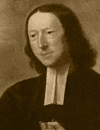
Others lay the stress elsewhere. John Wesley said of the kind of enthusiasm that most concerned him, "To this kind of enthusiasm they are peculiarly exposed, who expect to be directed of God, either in spiritual things or in common life, in what is justly called an extraordinary manner: I mean, by visions or dreams, by strong impressions or sudden impulses on the mind."47 He said, "How are they misled by pride, and a warm imagination, to ascribe such impulses or impressions, dreams or visions, to God, as are utterly unworthy of Him!"47 His counsel was, "Remember, it is not by these you are to know what is the will of God on any particular occasion, but by applying the plain Scripture rule, with the help of experience and reason, and the ordinary assistance of the Spirit of God."47 In a letter he wrote, "you are as really moved by the Spirit to pray, whether it be in public or private, when you have a conviction it is the will of God you should, as when you have the strongest impulse upon your heart."48 Hodge wrote of the way God's children are guided, "This guidance is partly providential, ordering their external circumstances; partly through the Word, which is a lamp to their feet; and partly by the inward influence of the Spirit on the mind."20 He objected to the teaching of an inner light apart from Scripture: "A fourth objection to the Mystical doctrine is that there is no criterion by which a man can test these inward impulses or revelations, and determine which are from the Spirit of God, and which are from his own heart or from Satan, who often appears and acts as an angel of light."49 Warfield wrote that the leading Paul speaks of is "not something sporadic, given only on occasion of some special need of supernatural direction, but something continuous, affecting all the operations of a Christian man's activities throughout every moment of his life."50 Finney himself wrote to a correspondent, "If benevolence manifestly requires you to speak or pray anywhere, at any time, your duty is plain; but impulse, mere feelings, and suggestions are no rule of duty."51 He said, "But we are not to expect a miracle to be wrought, as if we were led by the hand, sensibly, or like something whispered in the ear, or any miraculous manifestation of the will of God."46
The two groups are nearer than they first appear. Spurgeon asked for great caution before he spoke of such leadings and said the matter had been sadly abused. The preachers quoted here who speak of testing say that an impression must be tried by the Bible. This page sets the two emphases side by side and does not decide between them.
Impressions must be tested
Scripture commands the test. "Beloved, do not believe every spirit, but test the spirits to see whether they are from God. For many false prophets have gone out into the world." (1 John 4:1). It gives the reasons. "The heart is deceitful above all things and beyond cure. Who can understand it?" (Jeremiah 17:9). And, "Satan himself masquerades as an angel of light." (2 Corinthians 11:14). Pink wrote, "There is a safe and sure criterion by which the Christian may gauge his inward impulses, and ascertain whether they proceed from his own restless spirit, an evil spirit, or the Spirit of God."16 He named it: "That criterion is the written Word of God, and by it all must be measured."16 Finney said, "People are sometimes led away by strange fantasies and crazy impulses."46 He said, "If you compare them faithfully with the Bible, you never need be led astray."46 He gave the rule: "You can always know whether your feelings are produced by the Spirit's influences, by comparing your desires with the spirit and temper of religion as described in the Bible."46
Watson wrote, "enthusiasts pretend to be led by the Spirit, when it is an ignis fatuus, a delusion."52 Wesley said, "Though there is a real influence of the Spirit of God, there is also an imaginary one: and many there are who mistake the one for the other."47 Arthur Pierson wrote of those most confident that they are filled with the Spirit, "We are just then most apt to be confident that all our impulses and leadings are divine leadings, and so we forget to try the spirits whether they be of God."53 Edwards said, "It is found by abundant experience, that those who are led away by impulses and imagined revelations, are extremely confident: they suppose that the great Jehovah has declared these and those things to them; and having his immediate testimony, a strong confidence is the highest virtue."54 Finney said, "No doubt persons may be deluded, and sometimes are so, by leaning to their own understanding when they think they are led by the Spirit."46
The manner of His leading
The Spirit does not drive. Spurgeon said, "Whenever you see a man fanatical and wild, whatever spirit is in him, it is not the Spirit of Christ!"1 Finney wrote, "The mind of God is calm and mild; and in general no doubt the leadings of his Spirit are calm and mild also, and more like a still small voice; whereas Satan is boisterous and often deeply exciting in his suggestions and impulses."51 Poonen wrote, "We must learn to distinguish between the soulish pressure that clever preachers put upon us and the gentle leading of the Holy Spirit."55 Spurgeon said of the way the Spirit works, "The reply would be this—the Spirit of God operates upon our spirits mysteriously."1 A strong feeling is no proof of a divine leading, and a quiet conviction formed by the word is not less the Spirit's work for being quiet.
Led every day
The leading is not kept for great decisions. Paul says, "Since we live by the Spirit, let us walk in step with the Spirit." (Galatians 5:25). Spurgeon said, "Mark this—led by the Spirit everyday—not on Sundays only!"1 He said, "It is clear that a pilot who only occasionally directs the ship is very little better than none."1 He looked back over the believer's whole course: "And mark, from that day to this, every act of ours that has been heavenward, every thought of ours that has been towards God and His Christ, has been under the leadership of that same Spirit!"8 He owned the failures: "There may be steps in that journey, alas, that it should be so, in which we are not led by the Spirit, but depart from under His power for a while, and the flesh becomes dominant."8 He said, "But in every true step onward and heavenward between here and the gate of pearl— we shall be led by the Spirit of God."8 He said of the believer who turns aside, "If we err, and are really sons of God, our Divine Leader will make us retrace our steps with bitter tears and feel what an evil and bitter thing it is to have chosen our own delusions."1 Finney wrote, "The thing to be attained is the universal teaching and guidance of the Holy Spirit, so that in all things you shall be led by the Spirit of God."56
Comfort for the weak
Some fear that they are not led by the Spirit because they still find sin in themselves. Warfield answered from Paul: "He would not have us reason that because sin is in us, we cannot be God's children; but in happy contradiction to this, that because the Holy Spirit is in us, we cannot but be God's children."57 He wrote, "It is obviously a mistake, therefore, to look upon the claim to be led by God's Spirit as an evidence of spiritual pride."58 Spurgeon said, "No soul, except an heir of Heaven, ever had such wishes, aspirations and groaning after holiness, and such sorrow over failures and mistakes."1 He said, "You are sons of God if you are led by the Spirit, however small your stature and feeble your Grace."1 Pink gave marks by which the leading may be known. He wrote, "In general, those who are directed by this Divine Guide are moved to examine their hearts and take frequent notice of their ways, to mourn over their carnality and perverseness, to confess their sins, to earnestly seek grace to enable them to be obedient."16 He added, "First, just so far as we are governed by the Spirit of God are we led from ourselves: from confidence in our own wisdom, from dependence upon our own strength, and from trust in our own righteousness."16 He wrote, "And this being guided and governed by the Holy Spirit is an infallible proof that we are living members of God's family."16
Asking to be led
David prayed, "Teach me to do Your will, for You are my God. May Your good Spirit lead me on level ground." (Psalm 143:10). The promise answers the prayer: "He guides the humble in what is right and teaches them His way." (Psalm 25:9). Pink wrote, "The Holy Spirit is the only fountain of holiness, and to Him we must constantly turn for directions."16 Paul adds the warning, "And do not grieve the Holy Spirit of God, in whom you were sealed for the day of redemption." (Ephesians 4:30). The believer who reads the word, prays over it and obeys what he already knows is on the road where the Spirit leads. Spurgeon said, "If you are a child of God you will be led by the Spirit."1
- C.H. Spurgeon, "The Leading of the Spirit, The Secret Token of the Sons of God" (sermon).
- Benjamin B. Warfield, The Leading Of The Spirit, "Who Is Led By The Spirit".
- Benjamin B. Warfield, The Leading Of The Spirit, "Who Is Led By The Spirit".
- Benjamin B. Warfield, The Leading Of The Spirit, "Who Is Led By The Spirit".
- Benjamin B. Warfield, The Leading Of The Spirit, "Who Is Led By The Spirit".
- George Whitefield, "What Think Ye of Christ? (Matt. 22:42)" (sermon).
- Thomas Watson, A Body Of Divinity, "Adoption".
- C.H. Spurgeon, "The Family Likeness" (sermon).
- Hugh Binning, Writings of Hugh Binning, "Sermon 36".
- Hugh Binning, Writings of Hugh Binning, "Sermon 36".
- Robert Haldane, Exposition on the Epistle to the Romans, "Chapter 8".
- Robert Haldane, Exposition on the Epistle to the Romans, "Chapter 8".
- Benjamin B. Warfield, The Leading Of The Spirit, "A Supernatural Influence".
- Benjamin B. Warfield, The Leading Of The Spirit, "Not Merely Carried or Dragged".
- Benjamin B. Warfield, The Leading Of The Spirit, "The Path of Sanctification".
- A.W. Pink, "THE HOLY SPIRIT Chapter 21 The Spirit Leading" (sermon).
- Harry A. Ironside, Writings of Harry A Ironside - Volume 1, "Living In God's Love".
- C.H. Spurgeon, Faith's Checkbook, "October".
- Stephen Charnock, Writings of Stephen Charnock, "The Necessity of Regeneration".
- Charles Hodge, "Mysticism" (sermon).
- Benjamin B. Warfield, The Leading Of The Spirit, "Part 1 Introduction".
- Robert Haldane, Exposition on the Epistle to the Romans, "Chapter 8".
- Robert Haldane, Exposition on the Epistle to the Romans, "Chapter 8".
- Benjamin B. Warfield, The Leading Of The Spirit, "What Is the Goal of the Spirit's Leading?".
- Benjamin B. Warfield, The Leading Of The Spirit, "What Is the Goal of the Spirit's Leading?".
- Thomas Watson, A Body Of Divinity, "Adoption".
- Charles H. Spurgeon, Works of Charles Spurgeon - Volume 1, "XIV. Repentance Must Go with Forgiveness".
- Jonathan Edwards, Writings of Jonathan Edwards - Volume 1, "PART III(g)".
- Zac Poonen, "(Living as Jesus Lived) 3. Living in Holiness" (sermon).
- C.H. Spurgeon, "Under the Apple Tree" (sermon).
- Benjamin B. Warfield, The Leading Of The Spirit, "A Great Fire of Hope and Confidence".
- Thomas Watson, A Body Of Divinity, "Adoption".
- A.B. Simpson, Walking in the Spirit, "The spirit of light".
- A.W. Tozer, "'The Inner Illumination We Need'" (sermon).
- F.B. Meyer, "Seven Conditions" (sermon).
- Thomas Manton, The Works of Thomas Manton, D.D. Vol. VII, "Sermon xcviii".
- A.B. Simpson, "(Power From on High) 19. the Holy Spirit in the Epistles of Paul to Timothy" (sermon).
- Zac Poonen, "Third Requirement for Spiritual Progress-Word of God" (sermon).
- Charles Finney, "Letter From Prof. Finney to Miss a.e. of Vermont" (sermon).
- A.B. Simpson, Walking in the Spirit, "Cooperating with the holy ghost".
- Arno C. Gaebelein, Writings of Arno C Gaebelein - Volume 1, "Chapter Sixteen".
- Griffith, Writings of griffith, "A.42 Turning Homewards Gen_31:1-55".
- Arno C. Gaebelein, Writings of Arno C Gaebelein - Volume 1, "Chapter Sixteen".
- A.B. Simpson, Walking in the Spirit, "The spirit of light".
- C.H. Spurgeon, Spurgeons Sermons Volume 2 1856, "The Majestic Voice".
- Charles Finney, "Lecture Vi. - the Spirit of Prayer" (sermon).
- John Wesley, "The Nature of Enthusiasm" (sermon).
- John Wesley, The Letters of John Wesley.
- Charles Hodge, Writings of Charles Hodge - Volume 1, "Objections to the Mystical Theory".
- Benjamin B. Warfield, The Leading Of The Spirit, "When Does The Spirit Lead?".
- Charles Finney, "Letter From Prof. Finney to Miss a.e. of Vermont--No. 4" (sermon).
- Thomas Watson, A Body Of Divinity, "Adoption".
- Arthur T. Pierson, Writings of Arthur T Pierson - Volume 1, "CHAPTER 4 The Epistle to the Ephesians".
- Jonathan Edwards, "That They Make Persons That Have Them Exceeding Confident That What They Experience…" (sermon).
- Zac Poonen, "Guilt-Trip Preaching" (sermon).
- Charles Finney, "Lecture Xxii. - Growth in Grace" (sermon).
- Benjamin B. Warfield, The Leading Of The Spirit, "A Great Fire of Hope and Confidence".
- Benjamin B. Warfield, The Leading Of The Spirit, "Who Is Led By The Spirit".
In their own words
Each line below is quoted exactly from a sermon on this site. Follow the link to hear or read it where it was said.
Those who are not led by the Spirit of God are not His sons.
 C.H. Spurgeon
in The Leading of the Spirit, The Secret Token of the Sons of God
Read in context
One of the first acts of the Holy Spirit is to guide the sons of God to the Mercy Seat with tears in their eyes.
C.H. Spurgeon
in The Leading of the Spirit, The Secret Token of the Sons of God
Read in context
No man ever goes to the chamber of true repentance till the Holy Spirit leads him there, but every child of God knows what it is to look on Him whom he has pierced and mourn for his sin.
C.H. Spurgeon
in The Leading of the Spirit, The Secret Token of the Sons of God
Read in context
The Spirit of God never led a man to think little of Christ and much of priests.
C.H. Spurgeon
in The Leading of the Spirit, The Secret Token of the Sons of God
Read in context
The Spirit of God sinks the man and lifts up the Savior!
C.H. Spurgeon
in The Leading of the Spirit, The Secret Token of the Sons of God
Read in context
You may go to college and sit at the feet of the most learned Gamaliel of the day, but you can never know the Truth of God in the heart unless the Holy Spirit shall teach you.
C.H. Spurgeon
in The Leading of the Spirit, The Secret Token of the Sons of God
Read in context
Beloved, if you are of a fierce, unforgiving spirit, the Holy Spirit never led you there.
C.H. Spurgeon
in The Leading of the Spirit, The Secret Token of the Sons of God
Read in context
If you are proud and hectoring, the Holy Spirit never led you.
C.H. Spurgeon
in The Leading of the Spirit, The Secret Token of the Sons of God
Read in context
If you are covetous and lustful after worldly gain, the Holy Spirit never led you there.
C.H. Spurgeon
in The Leading of the Spirit, The Secret Token of the Sons of God
Read in context
The children of God are led not only into knowledge, but into love.
C.H. Spurgeon
in The Leading of the Spirit, The Secret Token of the Sons of God
Read in context
For instance, the Holy Spirit leads the saints to prayer, which is the vital breath of their souls.
C.H. Spurgeon
in The Leading of the Spirit, The Secret Token of the Sons of God
Read in context
The Holy Spirit leads them to search the Word and opens their understandings to receive it.
C.H. Spurgeon
in The Leading of the Spirit, The Secret Token of the Sons of God
Read in context
The Spirit of God, moreover, leads the sons of God into usefulness—some in one path and some in another—while a few are conducted into very eminent service and into self-consecration of the highest order.
C.H. Spurgeon
in The Leading of the Spirit, The Secret Token of the Sons of God
Read in context
When you are in difficulties, consult the Holy Spirit in the Word.
C.H. Spurgeon
in The Leading of the Spirit, The Secret Token of the Sons of God
Read in context
The Spirit of God does, I believe, directly, even apart from the Word, speak in the hearts of the saints.
C.H. Spurgeon
in The Leading of the Spirit, The Secret Token of the Sons of God
Read in context
There are inward monitions which are to be devoutly obeyed.
C.H. Spurgeon
in The Leading of the Spirit, The Secret Token of the Sons of God
Read in context
There are suggestions, mysterious and secret, which must be implicitly followed.
C.H. Spurgeon
in The Leading of the Spirit, The Secret Token of the Sons of God
Read in context
It is not to every man that the Holy Spirit speaks in such a way, but He has His favored ones, and these must jealously guard the privilege, for perhaps if they are deaf when He speaks, He may never again speak to them in that way.
C.H. Spurgeon
in The Leading of the Spirit, The Secret Token of the Sons of God
Read in context
Whenever you see a man fanatical and wild, whatever spirit is in him, it is not the Spirit of Christ!
C.H. Spurgeon
in The Leading of the Spirit, The Secret Token of the Sons of God
Read in context
The reply would be this—the Spirit of God operates upon our spirits mysteriously.
C.H. Spurgeon
in The Leading of the Spirit, The Secret Token of the Sons of God
Read in context
Mark this—led by the Spirit everyday—not on Sundays only!
C.H. Spurgeon
in The Leading of the Spirit, The Secret Token of the Sons of God
Read in context
It is clear that a pilot who only occasionally directs the ship is very little better than none.
C.H. Spurgeon
in The Leading of the Spirit, The Secret Token of the Sons of God
Read in context
If we err, and are really sons of God, our Divine Leader will make us retrace our steps with bitter tears and feel what an evil and bitter thing it is to have chosen our own delusions.
C.H. Spurgeon
in The Leading of the Spirit, The Secret Token of the Sons of God
Read in context
No soul, except an heir of Heaven, ever had such wishes, aspirations and groaning after holiness, and such sorrow over failures and mistakes.
C.H. Spurgeon
in The Leading of the Spirit, The Secret Token of the Sons of God
Read in context
You are sons of God if you are led by the Spirit, however small your stature and feeble your Grace.
C.H. Spurgeon
in The Leading of the Spirit, The Secret Token of the Sons of God
Read in context
If you are a child of God you will be led by the Spirit.
C.H. Spurgeon
in The Leading of the Spirit, The Secret Token of the Sons of God
Read in context
For they only that are led by the Spirit of Christ, are the true sons of God.
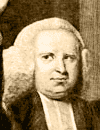 George Whitefield
in What Think Ye of Christ? (Matt. 22:42)
Read in context
There is an evil spirit in the world, and it leads the mass of mankind.
C.H. Spurgeon
in The Family Likeness
Read in context
There is a great difference between a guide and a leader—but still there is a measure of power given by a leader who leads in the way.
C.H. Spurgeon
in The Family Likeness
Read in context
Not merely the knowledge and the acquiescence in the knowledge of God's will, but the power to carry out that will comes from Him, and from Him only!
C.H. Spurgeon
in The Family Likeness
Read in context
And mark, from that day to this, every act of ours that has been heavenward, every thought of ours that has been towards God and His Christ, has been under the leadership of that same Spirit!
C.H. Spurgeon
in The Family Likeness
Read in context
There may be steps in that journey, alas, that it should be so, in which we are not led by the Spirit, but depart from under His power for a while, and the flesh becomes dominant.
C.H. Spurgeon
in The Family Likeness
Read in context
But in every true step onward and heavenward between here and the gate of pearl— we shall be led by the Spirit of God.
C.H. Spurgeon
in The Family Likeness
Read in context
Second, just so far as we are governed by the Spirit of God are we brought to occupation with Christ.
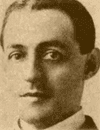 A.W. Pink
in THE HOLY SPIRIT Chapter 21 The Spirit Leading
Read in context
The Spirit leads the Christian away from the vanities of the world to the satisfying delight which is to be found in the Lord.
A.W. Pink
in THE HOLY SPIRIT Chapter 21 The Spirit Leading
Read in context
His aim is to conform us more and more to the image of Christ.
A.W. Pink
in THE HOLY SPIRIT Chapter 21 The Spirit Leading
Read in context
The Holy Spirit never prompts anyone to act contrary to the Scriptures.
A.W. Pink
in THE HOLY SPIRIT Chapter 21 The Spirit Leading
Read in context
Wisdom from on High is continually needed to know how to apply the rules of Scripture to all the varied details of our lives.
A.W. Pink
in THE HOLY SPIRIT Chapter 21 The Spirit Leading
Read in context
There is a safe and sure criterion by which the Christian may gauge his inward impulses, and ascertain whether they proceed from his own restless spirit, an evil spirit, or the Spirit of God.
A.W. Pink
in THE HOLY SPIRIT Chapter 21 The Spirit Leading
Read in context
That criterion is the written Word of God, and by it all must be measured.
A.W. Pink
in THE HOLY SPIRIT Chapter 21 The Spirit Leading
Read in context
In general, those who are directed by this Divine Guide are moved to examine their hearts and take frequent notice of their ways, to mourn over their carnality and perverseness, to confess their sins, to earnestly seek grace to enable them to be obedient.
A.W. Pink
in THE HOLY SPIRIT Chapter 21 The Spirit Leading
Read in context
First, just so far as we are governed by the Spirit of God are we led from ourselves: from confidence in our own wisdom, from dependence upon our own strength, and from trust in our own righteousness.
A.W. Pink
in THE HOLY SPIRIT Chapter 21 The Spirit Leading
Read in context
And this being guided and governed by the Holy Spirit is an infallible proof that we are living members of God's family.
A.W. Pink
in THE HOLY SPIRIT Chapter 21 The Spirit Leading
Read in context
The Holy Spirit is the only fountain of holiness, and to Him we must constantly turn for directions.
A.W. Pink
in THE HOLY SPIRIT Chapter 21 The Spirit Leading
Read in context
The object of the inward teaching of the Spirit is to enable us to discern the truth and excellence of what is already objectively revealed in the Bible.
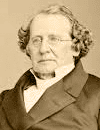 Charles Hodge
in Mysticism
Read in context
This guidance is partly providential, ordering their external circumstances; partly through the Word, which is a lamp to their feet; and partly by the inward influence of the Spirit on the mind.
Charles Hodge
in Mysticism
Read in context
The Holy Spirit in us will lead us, as He led Jesus, always along the way of the cross.
 Zac Poonen
in (Living as Jesus Lived) 3. Living in Holiness
Read in context
The Spirit never brings the soul into bondage!
C.H. Spurgeon
in Under the Apple Tree
Read in context
The Spirit of God never told anybody to do anything contrary to the Word of God.
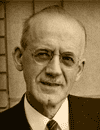 A.W. Tozer
in 'The Inner Illumination We Need'
Read in context
The Spirit of God and the Word of God are parallel lines.
 F.B. Meyer
in Seven Conditions
Read in context
But any impression from God's Spirit is always corroborated by two things: by the Word, and by circumstances.
F.B. Meyer
in Seven Conditions
Read in context
The inward impulse, the Word of God, and the outward circumstances will be in line.
F.B. Meyer
in Seven Conditions
Read in context
The word without the Spirit is dry and dead, but the Spirit without the word is incomplete.
 A.B. Simpson
in (Power From on High) 19. the Holy Spirit in the Epistles of Paul to Timothy
Read in context
The power of the Holy Spirit known experientially, without the guidance of the written Word would leave a man like a steam engine, full of steam but without any rails to run on.
Zac Poonen
in Third Requirement for Spiritual Progress-Word of God
Read in context
The inward leadings of his Spirit and the written word, are never inconsistent with his providential dispensations.
 Charles Finney
in Letter From Prof. Finney to Miss a.e. of Vermont
Read in context
A great deal has been said about fanaticism, that is very unguarded, and that causes many minds to reject the leadings of the Spirit of God.
Charles Finney
in Lecture Vi. - the Spirit of Prayer.
Read in context
No wonder Christians do not have the spirit of prayer, if they are unwilling to take the trouble to distinguish; and so reject or resist all impulses and all leadings of invisible agents.
Charles Finney
in Lecture Vi. - the Spirit of Prayer.
Read in context
But we are not to expect a miracle to be wrought, as if we were led by the hand, sensibly, or like something whispered in the ear, or any miraculous manifestation of the will of God.
Charles Finney
in Lecture Vi. - the Spirit of Prayer.
Read in context
People are sometimes led away by strange fantasies and crazy impulses.
Charles Finney
in Lecture Vi. - the Spirit of Prayer.
Read in context
If you compare them faithfully with the Bible, you never need be led astray.
Charles Finney
in Lecture Vi. - the Spirit of Prayer.
Read in context
You can always know whether your feelings are produced by the Spirit's influences, by comparing your desires with the spirit and temper of religion as described in the Bible.
Charles Finney
in Lecture Vi. - the Spirit of Prayer.
Read in context
No doubt persons may be deluded, and sometimes are so, by leaning to their own understanding when they think they are led by the Spirit.
Charles Finney
in Lecture Vi. - the Spirit of Prayer.
Read in context
To this kind of enthusiasm they are peculiarly exposed, who expect to be directed of God, either in spiritual things or in common life, in what is justly called an extraordinary manner: I mean, by visions or dreams, by strong impressions or sudden impulses on the mind.
 John Wesley
in The Nature of Enthusiasm
Read in context
How are they misled by pride, and a warm imagination, to ascribe such impulses or impressions, dreams or visions, to God, as are utterly unworthy of Him!
John Wesley
in The Nature of Enthusiasm
Read in context
Remember, it is not by these you are to know what is the will of God on any particular occasion, but by applying the plain Scripture rule, with the help of experience and reason, and the ordinary assistance of the Spirit of God.
John Wesley
in The Nature of Enthusiasm
Read in context
Though there is a real influence of the Spirit of God, there is also an imaginary one: and many there are who mistake the one for the other.
John Wesley
in The Nature of Enthusiasm
Read in context
If benevolence manifestly requires you to speak or pray anywhere, at any time, your duty is plain; but impulse, mere feelings, and suggestions are no rule of duty.
Charles Finney
in Letter From Prof. Finney to Miss a.e. of Vermont--No. 4.
Read in context
The mind of God is calm and mild; and in general no doubt the leadings of his Spirit are calm and mild also, and more like a still small voice; whereas Satan is boisterous and often deeply exciting in his suggestions and impulses.
Charles Finney
in Letter From Prof. Finney to Miss a.e. of Vermont--No. 4.
Read in context
It is found by abundant experience, that those who are led away by impulses and imagined revelations, are extremely confident: they suppose that the great Jehovah has declared these and those things to them; and having his immediate testimony, a strong confidence is the highest virtue.
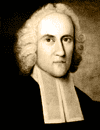 Jonathan Edwards
in That They Make Persons That Have Them Exceeding Confident That What They Experience…
Read in context
We must learn to distinguish between the soulish pressure that clever preachers put upon us and the gentle leading of the Holy Spirit.
Zac Poonen
in Guilt-Trip Preaching
Read in context
The thing to be attained is the universal teaching and guidance of the Holy Spirit, so that in all things you shall be led by the Spirit of God.
Charles Finney
in Lecture Xxii. - Growth in Grace.
Read in context
What Scripture says
- Romans 8:14 all who are led by the Spirit of God are sons of God
- Galatians 5:18 led by the Spirit, not under the law
- Galatians 5:16 walk by the Spirit and you will not gratify the flesh
- Romans 8:13 by the Spirit put to death the deeds of the body
- John 16:13 the Spirit of truth guides into all truth
- John 16:14 He will glorify Christ
- Acts 16:7 the Spirit of Jesus would not permit them
- 1 John 4:1 test the spirits
- Psalm 119:105 the word is a lamp to the feet
- Psalm 143:10 may Your good Spirit lead me
- Galatians 5:25 walk in step with the Spirit
How this page is made: the quotes are taken word for word from sermons on SermonIndex and checked against them by program before the page is published. The transcripts of audio and video sermons are machine-made, so follow the link to hear the words as they were spoken. The answer above the quotes is an overview with its sources listed; it is not a statement of doctrine by SermonIndex.