
The preachers quoted here describe true preaching as the declaring of God's word by a man God has sent, with Christ crucified at its centre and the Holy Spirit as its power. They show that it must be prayed over, plain, aimed at the conscience, earnest, backed by the preacher's life and free from the wish to please men, and that hearers have a duty too.
True preaching is the public declaring of God's word by a man God has sent, with Christ at its centre and the Holy Spirit as its power. Paul gave the charge in a few words: "Preach the word; be prepared in season and out of season; reprove, rebuke, and encourage with every form of patient instruction." (2 Timothy 4:2). It is not a lecture, an essay or a performance. It is a message from God, delivered plainly and earnestly to the hearts and consciences of those who hear, by a preacher who has prayed over it and lives by it. Alexander Maclaren wrote, "The meaning of the word preach is 'proclaim like a herald'; or, what is perhaps more familiar to most of us, like a town-crier; with a loud voice, clearly and plainly delivering the message."1
A herald with a message
The New Testament word for preaching is the word for a herald's work. G. Campbell Morgan said of the twelve, "The word made use of here suggests that preaching which is the work of the herald."2 A.B. Simpson wrote of the trumpet, "The very word used for preaching is based on this figure, the trumpet of the herald."3 A herald does not make up his message. He carries the message of the one who sent him. Paul wrote, "Therefore we are ambassadors for Christ, as though God were making His appeal through us." (2 Corinthians 5:20). W.H. Griffith Thomas wrote, "The Christian minister is an ambassador on behalf of Christ, and his message as such is noteworthy and striking."4 Charles Spurgeon said, "It is always good for an ambassador to receive his orders fresh from court--and good for us it is when we come into the pulpit with a message all glowing from the Master's mouth!"5 W.B. Riley wrote of Jonah's preaching at Nineveh, "The only ministry that is true, is that of the preacher who is preaching according to the Word of the Lord; who is preaching the preaching that God has bidden him preach."6 J.R. Miller wrote, "We are reverently and faithfully to preach the message that the Lord bids us to preach, without abatement, without addition, without change!"7 Leonard Ravenhill wrote, "A preacher is a man with a message from another world to people in this world who are going to that other world."8
God's appointed means
God has chosen preaching as the way by which He saves and builds up His people. "For since in the wisdom of God the world through its wisdom did not know Him, God was pleased through the foolishness of what was preached to save those who believe." (1 Corinthians 1:21). Paul asked, "And how can they hear without someone to preach?" (Romans 10:14). David Wilkerson said, "God's plan for either shaking a nation, redeeming a nation or warning a nation has always been the preaching of the word of God; it has always been God sending a preacher."9 Spurgeon said, "We are glad of the agencies and assistances which are continually arising; but after all, the true Jerusalem blade, the sword that can cut to the piercing asunder of the joints and marrow, is preaching the Word of God."10 Thomas Brooks wrote, "The word of God faithfully preached, is the ordinary means by which holiness is wrought in sinners' hearts."11 Paris Reidhead wrote, "God in His wisdom and love has purposed that preaching in love and in the power of the Holy Spirit, watered with earnest, intercessory prayer would be the means by which lost, sinful, rebellious man would be saved."12 The means looks weak, and God meant it so. B.B. Warfield drew a needed line: "The foolishness of preaching is one thing: foolish preaching is another."13
It preaches the word of God
The preacher's matter is given to him. The Lord said through Jeremiah, "let him who has My word speak it truthfully." (Jeremiah 23:28). Peter wrote, "If anyone speaks, he should speak as one conveying the words of God." (1 Peter 4:11). Spurgeon said, "We must not stand on the Bible to preach, but we must preach with the Bible above our heads."14 He told his students, "It is due to the majesty of inspiration that when you profess to be preaching from a verse you do not thrust it out of sight to make room for your own thinkings."15 He also said, "The hearing is by the word of God; and only as the preaching is according to the word of God will God bless it."16 Griffith Thomas wrote of the text, "A text will give a sermon the authority of a Divine message, and this is the most important part of our work."17 He warned, "To choose and work out a subject and then prefix a text to it is likely to lead to the production of an essay, not a sermon."17 James Stalker wrote, "A large portion of our work is the searching of the Scriptures, and a preacher of the highest order will always be a man mighty in the Scriptures."18 He added, "It is only such preaching, enriching itself out of the wealth of the Bible and getting from it freshness, variety and power, that can build up a congregation and satisfy the minds of really living Christians."19 True preaching opens what Scripture says and presses it home. It does not use a verse as a starting point for the preacher's own thoughts.
It preaches Christ and Him crucified
The word of God has a centre, and true preaching keeps to it. Paul wrote, "For I resolved to know nothing while I was with you except Jesus Christ and Him crucified." (1 Corinthians 2:2). He also wrote, "For we do not proclaim ourselves, but Jesus Christ as Lord, and ourselves as your servants for Jesus' sake." (2 Corinthians 4:5). Archibald Alexander wrote that "to preach Christ crucified, is to preach the whole Gospel"20. J.C. Ryle wrote, "A man may begin preaching with a perfect knowledge of Latin, Greek, and Hebrew; but he will do little or no good among his hearers unless he knows something of the cross."21 Spurgeon said, "No matter what the preacher's text may be, he must never close a sermon without having set forth the claims of Jesus!"22 He also said, "The vital truth of our Lord's expiation must be preached often, clearly, and with emphasis; and, if it be not so, we have not correctly learned Christ, neither shall we successfully teach Him."23 Morgan wrote, "To preach the living Lordship of Christ is to create the necessity for His Cross."24 T. Austin-Sparks wrote, "The preaching of Christ crucified is not the preaching merely of what men did to Him, but of what He ALLOWED men to do, and, in and through what they did, what He did."25 Wilkerson wrote, "To preach Christ, we must have a continuous flow of revelation from the Holy Spirit."26
It declares the whole counsel of God
To preach Christ is not to preach one doctrine only. Paul told the elders of Ephesus, "For I did not shrink back from declaring to you the whole will of God." (Acts 20:27). He described his preaching as "testifying to Jews and Greeks alike about repentance to God and faith in our Lord Jesus Christ." (Acts 20:21). Spurgeon said, "The first answer I shall give to the question is this: To preach the gospel is to state every doctrine contained in God's Word, and to give every truth its proper prominence."27 He also said, "It is not enough to preach doctrine; we must preach duty, we must faithfully and firmly insist upon practice."28 He added in the same sermon, "He who would be faithful, and preach the whole counsel of God, must imitate the apostle Paul, and preach as he wrote."29 A.W. Tozer wrote, "The Holy Spirit will sharpen the arrows of the man of God who preaches the whole counsel of God!"30 A.W. Pink wrote of the preacher's duty to make the way of salvation clear, "The trumpet he is called upon to blow must give forth no uncertain sound at this point: nothing but faith in the finished work of Christ, and nothing added thereto, can supply the sinner with a standing-ground before the thrice holy God."31 He wrote of evangelical preaching, "It presents a Saviour who is suited to and sufficient for the very chief of sinners, yet affirms that only those who have been brought to loathe themselves and are sick of sin will welcome such a holy Physician."31 He added, "While denying that good works enter at all into the ground of our acceptance with God, care is taken to show that a faith which does not produce good works is worthless and saves no one."31 Ravenhill wrote, "Sinners need cold comfort and hot preaching until they come to a place of repentance."32 Zac Poonen wrote, "Repentance is what John the Baptist, Jesus, Paul, Peter and all the apostles preached first of all."33 True preaching holds grace and holiness together. It tells of sin, judgement and repentance as well as of pardon.
It depends on the Holy Spirit
Right words are not enough. Paul wrote, "My message and my preaching were not with persuasive words of wisdom, but with a demonstration of the Spirit's power," (1 Corinthians 2:4). He gave the reason: "so that your faith would not rest on men's wisdom, but on God's power." (1 Corinthians 2:5). He reminded the Thessalonians that "our gospel came to you not only in word, but also in power, in the Holy Spirit, and with great conviction" (1 Thessalonians 1:5). Andrew Murray wrote that there are two ways of preaching Christ and His cross. Of the first he wrote, "The one is what Christ forbade, and Paul therefore so emphatically rejected: the preaching in wisdom of words, in excellency of speech and wisdom, in persuasive words of wisdom."34 Of the second he wrote, "The other is in demonstration of the Spirit and of power; the proof of a direct supernatural divine working."34 Spurgeon said, "To attempt to preach in any power but that of the Holy Ghost is to ensure failure."35 Morgan said, "It is impossible to preach the Gospel save in the power of the Spirit, because none can comprehend the true meaning of the Cross of Christ unless taught by the Spirit of God."36 E.M. Bounds wrote of unction, "It is the indefinable in preaching which makes it preaching."37 He added, "It is that which distinguishes and separates preaching from all mere human addresses."37 He also wrote, "It is this unction which gives the words of the preacher such point, sharpness and power, and which creates such friction and stir in many a dead congregation."38 Tozer wrote of the doctrine of the Spirit, "It is possible to learn this truth and preach it faithfully, and still be totally devoid of power."39 He said, "We must demand that the Word of God be preached in power, and that we hear it in power."40 Robert Murray M'Cheyne told his hearers, "It is all in vain that you read your Bibles and hear us preach, unless the Spirit use the words to give sense and feeling to your dead hearts."41
It is born in prayer
The apostles put prayer beside preaching, and put it first. They gave their rule in one line: "devote ourselves to prayer and to the ministry of the word." (Acts 6:4). Bounds wrote, "The preachers who are the mightiest in their closets with God are the mightiest in their pulpits with men."42 He wrote, "The preacher must by prayer move God toward the people before he can move the people to God by his words."43 He also wrote, "The texture, fineness, and strength of the sermon is as so much rubbish unless the mighty impulse of prayer is in it, through it, and behind it."42 M'Cheyne said, "The third and last lesson we learn from this vision is, that prayer must be added to preaching, else preaching is in vain."44 Tozer wrote, "It is significant that the schools teach everything about preaching except the important part, praying."45 Ravenhill wrote, "We need preachers who can preach up a storm, but our greater need is for pray-ers who can pray down the fire."46 When the believers in Jerusalem had prayed, "they were all filled with the Holy Spirit and spoke the word of God boldly." (Acts 4:31).
It is plain
A message that is not understood does no good. Paul wrote, "Unless you speak intelligible words with your tongue, how will anyone know what you are saying?" (1 Corinthians 14:9). When Ezra and the Levites taught the people, "So they read from the Book of the Law of God, explaining it and giving insight, so that the people could understand what was being read." (Nehemiah 8:8). Spurgeon said, "An average hearer, who is unable to follow the course of thought of the preacher, ought not to worry himself, but to blame the preacher, whose business it is to make the matter clear."47 He also said, "The most efficient way of preaching is simply talking; the man permitting his heart to run over at his lips into other men's hearts."48 Robert Traill wrote, "True godly learning consists in preaching plainly; and therein is no small difficulty."49 Stalker wrote, "There is something wrong if from a man's preaching his hearers do not gather by degrees a scheme of doctrine--a message which the plainest of them could give account of."50 Jonathan Edwards said of ministers, "It is impossible that their teaching and preaching should be a mean of grace, or of any good in the hearts of their hearers, any otherwise than by knowledge imparted to the understanding."51 Plainness is not shallowness. It is the work of a man who knows what he means and wants the least of his hearers to know it too.
It is aimed at the heart and conscience
True preaching does not stop at explaining. It applies the truth to those who hear. Paul wrote, "by open proclamation of the truth, we commend ourselves to every man's conscience in the sight of God." (2 Corinthians 4:2). At Pentecost, "When the people heard this, they were cut to the heart" (Acts 2:37). Ryle wrote, "A sermon without application is like a letter posted without a direction: it may be well written, rightly dated and duly signed; but it is useless, because it never reaches its destination."52 Spurgeon said, "We must, having our heart glowing and our souls on fire with love to them, seek to bring the Truth to bear upon them, to impress it upon their hearts and consciences as in the sight of God and in the place of Christ."53 He also said, "It is a part of every preacher's business, who is sent of God, so to preach that persons in the congregation may perceive that he speaks of them."54 Alexander Whyte wrote, "The conscience was the real seat of our Lord's authority over His hearers, and that preacher's pulpit is planted on the sand who does not preach home in the same way."55 Samuel Chadwick wrote, "The preacher has to make men understand that they are personally concerned in the Word of the Lord."56 Charles Finney said, "To preach doctrines in an abstract way, and not in reference to practice, is absurd."57 He also said, "The impression is not commonly made by ministers in their preaching that sinners are expected to repent NOW."57 J.H. Jowett wrote, "The sermon must be a proclamation of truth as vitally related to living men and women."58 Art Katz wrote, "True preaching is to bring the divine perspective to bear in a way that will affect men's understanding and their lives."59 Bryan Anthony wrote, "The true task of preaching is to bring to bear upon men the very reality of God Himself, and all that is entailed in His Person and His purposes."60
It is earnest and loving
Paul could say to the Ephesian elders, "Therefore be alert and remember that for three years I never stopped warning each of you night and day with tears." (Acts 20:31). He wrote to the Thessalonians, "We cared so deeply that we were delighted to share with you not only the gospel of God, but our own lives as well." (1 Thessalonians 2:8). Spurgeon said, "God's message is not to be preached with marble lips—it must not drop from an icy tongue."61 He told his students, "The heart of preaching, the throwing of the soul into it, the earnestness which pleads as for life itself, is half the battle as to gaining attention."62 Miller wrote, "It is not enough for the preacher to declare to all men that God loves them--the preacher must love them too--if he would make them believe in the divine love for them."63 James Alexander wrote, "No wonder we preach so coldly on the Sabbath, when we are so little moved on week-days, about what we preach."64 He warned against a false heat: "There is indeed a sort of pulpit fire which is rhetorical - proceeds from no warmth within, and diffuses no warmth without; the less of it the better."65 Bounds wrote, "It is the heart and not the head which makes God's great preachers."66
The preacher must live what he preaches
Paul told Timothy, "Pay close attention to your life and to your teaching. Persevere in these things, for by so doing you will save both yourself and those who hear you." (1 Timothy 4:16). He said of himself, "No, I discipline my body and make it my slave, so that after I have preached to others, I myself will not be disqualified." (1 Corinthians 9:27). Richard Baxter wrote, "It is a palpable error of some ministers, who make such a disproportion between their preaching and their living; who study hard to preach exactly, and study little or not at all to live exactly."67 He added, "We must think and think again, how to compose our lives, as may most tend to men's salvation, as well as our sermons."67 Bounds wrote, "The best preaching, even in the pulpit, is that which is fortified by godly living, in the preacher himself."68 Miller wrote, "The only efficient preaching of the cross--is when the cross is in the preacher's life."63 Morgan said, "The sacrificial note must be in the life of the preacher, or his preaching is in vain."69 Chadwick wrote, "There is no surer way of becoming an effective preacher than for the preacher himself to be a true sermon."70 A.T. Pierson wrote, "The preacher must himself practice what he preaches, otherwise spiritual vision will be dim, and, if the blind lead the blind, only the ditch is before both."71 Poonen wrote, "The devil fears a holy man, a man who is genuine, a man who is the same inside as he is on the outside, and a man who never preaches what he does not practise."72 John Owen prayed, "God grant that we may never preach to you any thing but what we may labour to have an experience of the power of it in our own hearts, and to profit ourselves by the word wherewith we design to profit others!"73 Austin-Sparks wrote, "It is possible to preach truth without the preacher having any spiritual apprehension of it; that is, from a merely mental apprehension."74
It does not seek to please men
Paul wrote, "If I were still trying to please men, I would not be a servant of Christ." (Galatians 1:10). He warned Timothy, "For the time will come when men will not tolerate sound doctrine, but with itching ears they will gather around themselves teachers to suit their own desires." (2 Timothy 4:3). John A. Broadus wrote, "The poet and the novelist aim to please, and incidentally to instruct; the preacher to do men good, and to please only as contributing to this higher end."75 Poonen wrote, "A lot of sermons likewise, are prepared with the motive of impressing men and pleasing them."76 Spurgeon said of certain preachers, "The drift of all their preaching is to please men's ears with their rhetoric and to delude men's judgment with their flattery."77 He told hearers how to judge what they hear: "The preaching which pleases us may not be the Truth of God but the doctrine which grieves our heart and troubles our conscience, is, in all probability, true."78 Tozer said, "The preacher who will dare to stand and let his preaching cost him something--God is in that."79 Ravenhill wrote, "The effective preacher is the man who trembles at His Word, but who stands untremblingly to deliver that Word."80
It does not display the preacher
Paul wrote, "For we are not like so many others, who peddle the word of God for profit. On the contrary, in Christ we speak before God with sincerity, as men sent from God." (2 Corinthians 2:17). The preacher is not there to be admired. Spurgeon said, "It is well when the preacher feels that preaching is no mere display, and is not intended to be an opportunity for him to show how excellent an orator he can be."81 Baxter wrote of ministers who seek their own honour, "It is not for him they preach, but themselves, and their own reputation or gain."67 Ravenhill wrote, "The successful preacher does not end his sermon with the congregation on its feet applauding him; but rather, he leaves it on its knees adoring Him."82 John Newton wrote to a young preacher that preaching is a gift: "It cannot be learned by industry and imitation only, as a man may learn to make a chair or a table: it comes from above; and if you patiently wait upon God, He will bestow this gift upon you, and increase it in you."83 He also wrote, "A written sermon is something to lean upon; but it is best for a preacher to lean wholly upon the Lord."83
The results belong to God
The preacher is answerable for faithfulness. The fruit is God's. Paul wrote, "I planted the seed and Apollos watered it, but God made it grow." (1 Corinthians 3:6). The Lord says, "so My word that proceeds from My mouth will not return to Me empty, but it will accomplish what I please, and it will prosper where I send it." (Isaiah 55:11). Pink wrote, "The servant of God has nothing to do with the response which is made to his preaching; his business is to deliver the Word of God in its unadulterated purity and leave the results to the One who has called him."84 Spurgeon said, "The preacher must not suppose that if men are not converted, he has lost his work."85 He also said, "The life comes not from you who preach the word, but it is placed within the word which you preach by the Holy Spirit."86 Richard Owen Roberts wrote, "God uses men to preach the gospel, to call sinners to repentance, and to exhort them to holiness; but the power and conviction and conversions that occur are from God."87 W.G.T. Shedd wrote, "The preacher should confidently expect faith and repentance to follow from his preaching, because of God's purpose and promise to bestow regenerating grace in connection with preaching."88 The preacher sows in hope, because God has promised to use His word.
How to hear preaching
True preaching lays a duty on the hearer too. Paul thanked God for the Thessalonians: "And we continually thank God because, when you received the word of God that you heard from us, you accepted it not as the word of men, but as the true word of God—the word which is now at work in you who believe." (1 Thessalonians 2:13). Luke wrote of the Bereans, "they received the message with great eagerness and examined the Scriptures every day to see if these teachings were true." (Acts 17:11). James wrote, "Be doers of the word, and not hearers only. Otherwise, you are deceiving yourselves." (James 1:22). Spurgeon said, "The preacher is responsible for the faithfulness of his preaching, but hearers also are responsible for the earnestness of their hearing!"89 Tozer wrote, "A preacher of this gospel of our Lord Jesus Christ should have the authority of God upon him, so that he makes the people responsible to listen to him."30 He added, "When they will not listen to him, they are accountable to God for turning away from the divine Word."30 Pink wrote of some hearers, "The more they hear, the more they want to hear: they drink in sermons and addresses with avidity, but their lives are unchanged."90 John Bunyan wrote, "The heads, also, and hearts of most hearers are to the Word as the sieve is to water; they can hold no sermons, remember no texts, bring home no proofs, produce none of the sermon to the edification and profit of others."91 Spurgeon gave the test of a sermon that has done its work: "The preacher may have spoken very simply and not have tried to display any of the graces of oratory, yet the sermon satisfied your soul because Christ was in it!"92
- Alexander Maclaren, Expositions Of Holy Scripture H, "The great proclamation".
- G. Campbell Morgan, "'He Appointed twelve.'- Mar 3:14" (sermon).
- A.B. Simpson, "The Weapons of Our Warfare" (sermon).
- W.H. Griffith Thomas, "The Ministry of St. Paul" (sermon).
- Charles Haddon Spurgeon, Spurgeon's Sermons Volume 15: 1869, "An Assuredly Good Thing".
- W.B. Riley, Writings of W B Riley, "Jonah's gospel".
- James R. Miller, Writings of James R Miller - Volume 1, "Volume 4 cont'd".
- Leonard Ravenhill, Writings of Leonard Ravenhill, "Excerpt18 - The Leaders - Preachers".
- David Wilkerson, "The Famine Has Begun (Excerpt)" (sermon).
- C.H. Spurgeon, "Preaching! Man's Privilege and God's Power" (sermon).
- Thomas Brooks, Writings of Thomas Brooks, "Volume 4".
- Paris Reidhead, "That I May Know Him - a Testimony" (sermon).
- Benjamin B. Warfield, A Benjamin Warfield Collection, "The Purpose of The Seminary".
- C.H. Spurgeon, Spurgeons Sermons Volume 1 1855, "Election".
- Charles H. Spurgeon, Lectures to my students by charles spurgeon (4 Volumes), "Vol 01 - LECTURE 5 - SERMONS — THEIR MATTER".
- C.H. Spurgeon, Grace Triumphant, "Chapter 14: Faith's Way of Approach".
- W.H. Griffith Thomas, "The Importance of Preaching" (sermon).
- James Stalker, The Preacher and His Models, "Lecture iv. the preacher as a man of the word".
- James Stalker, The Preacher and His Models, "Appendix. an ordination charge.[67]".
- Archibald Alexander, Writings of Archibald Alexander, "a. Divine Internal Evidence of Bible".
- J.C. Ryle, "The Cross" (sermon).
- C.H. Spurgeon, "The Sure Mercies of David" (sermon).
- C.H. Spurgeon, An All-Round Ministry, "The minister in these times".
- G. Campbell Morgan, Writings of G Campbell Morgan - Volume 1, "The Evangel".
- T. Austin-Sparks, "The Testimony of the Blood (Continued)" (sermon).
- David Wilkerson, "A Personal Revelation of Christ" (sermon).
- C.H. Spurgeon, "Preach the Gospel" (sermon).
- Charles Haddon Spurgeon, Spurgeon's Sermons Volume 06: 1860, "The Minister's Farewell".
- Charles Haddon Spurgeon, Spurgeon's Sermons Volume 06: 1860, "The Minister's Farewell".
- A.W. Tozer, "Authority in Preaching" (sermon).
- A.W. Pink, "Preaching False and True" (sermon).
- Leonard Ravenhill, Writings of Leonard Ravenhill, "Excerpt12 - Salvation/Faith".
- Zac Poonen, "The True Gospel and the False" (sermon).
- Andrew Murray, "Preaching With Words or Demonstration of the Spirit" (sermon).
- C.H. Spurgeon, The Mourner's Comforter, "Chapter One: The Annointed Messenger and His Work".
- G. Campbell Morgan, "The Power of the Spirit" (sermon).
- E.M. Bounds, "Unction, the Mark of True Gospel Preaching" (sermon).
- E.M. Bounds, Power Through Prayer, "Part 2".
- A.W. Tozer, "Preachers Without Power" (sermon).
- A.W. Tozer, "'The Kingdom of God Lies Not in Words'" (sermon).
- Robert M. Mccheyne, Writings of Robert M Mccheyne, "S. The Conviction of Sin".
- E.M. Bounds, "Prayer, the Great Essential" (sermon).
- E.M. Bounds, Power Through Prayer, "Part 1".
- Robert Murray M'Cheyne, "The Vision of Dry Bones" (sermon).
- A.W. Tozer, "At Home in the Prayer Chamber" (sermon).
- Leonard Ravenhill, Writings of Leonard Ravenhill, "Excerpt19 - The Imperatives - Prayer".
- C.H. Spurgeon, An All-Round Ministry, ""forward!"".
- C.H. Spurgeon, Messages to the Multitudes, "The Talking Book".
- Robert Traill, Select Practical Writings of Robert Traill, "By What Means Ministers May Best Win Souls".
- James Stalker, The Preacher and His Models, "Appendix. an ordination charge.[67]".
- Jonathan Edwards, "Christian Knowledge" (sermon).
- J.C. Ryle, "Expository Thoughts On Matthew - Matthew 13:51-58" (sermon).
- C.H. Spurgeon, "The True Aim of Preaching" (sermon).
- C.H. Spurgeon, Charles Spurgeon Sermons (63 Volumes) Part2 - Volume 1, "Luke 19,10 #1100 Good News for the Lost".
- Alexander Whyte, The Walk, Conversation and Character of Jesus Christ our Lord, "He Taught Them As One Having Authority and Not As the Scribes".
- Samuel Chadwick, Writings of Samuel Chadwick, "S. Effective Preaching for Reaching the Unchurched Masses".
- Charles Finney, "Lecture Xii. - How to Preach the Gospel" (sermon).
- J.H. Jowett, Writings of J H Jowett, "The Preacher in his Study".
- Art Katz, "Preachers of Righteousness" (sermon).
- Bryan Anthony, "The Effectuality of True Preaching" (sermon).
- C.H. Spurgeon, "A Message From God" (sermon).
- Charles H. Spurgeon, Lectures to my students by charles spurgeon (4 Volumes), "Vol 01 - LECTURE 9 - ATTENTION!".
- J.R. Miller, "The Ministry of Comfort - Part 3" (sermon).
- James Alexander, Writings of James Alexander, "S. Letters to Young Ministers - On Devotion to the Work of the...".
- James Alexander, Writings of James Alexander, "S. Letters to Young Ministers - On Devotion to the Work of the...".
- E.M. Bounds, Power Through Prayer, "Part 2".
- Richard Baxter, "The Reformed Pastor - the Oversight of Ourselves" (sermon).
- E.M. Bounds, "Prayer and Character and Conduct" (sermon).
- G. Campbell Morgan, "The Message of 2 Corinthians" (sermon).
- Samuel Chadwick, Writings of Samuel Chadwick, "S. Effective Preaching for Reaching the Unchurched Masses".
- Arthur T. Pierson, Writings of Arthur T Pierson - Volume 1, "Part 1: The Art of Bible Study".
- Zac Poonen, "(Knowing God's Way) 3. Principles of Serving God" (sermon).
- John Owen, Searching Our Hearts in Perilous Times, "Discourse iv".
- T. Austin-Sparks, "Where Christendom Is Deceived" (sermon).
- John A. Broadus, Writings of John A Broadus, "S. The Apostle Paul as a Preacher".
- Zac Poonen, "(A Spiritual Leader) 11. Freed From All Fears" (sermon).
- C.H. Spurgeon, "All Are Guilty" (sermon).
- C.H. Spurgeon, "The Rough Hewer" (sermon).
- A.W. Tozer, "God Is in That!" (sermon).
- Leonard Ravenhill, Writings of Leonard Ravenhill, "Excerpt18 - The Leaders - Preachers".
- Charles Haddon Spurgeon, Spurgeon's Sermons Volume 16: 1870, "Negotiations For Peace".
- Leonard Ravenhill, Writings of Leonard Ravenhill, "Excerpt18 - The Leaders - Preachers".
- John Newton, "The Gift of Preaching--Advice to a Young Preacher" (sermon).
- A.W. Pink, "THE DOCTRINE OF MAN'S IMPOTENCE Chapter 1 INTRODUCTION" (sermon).
- C.H. Spurgeon, "The Bellows Burned" (sermon).
- C.H. Spurgeon, Farm Sermons, "What the Farm Labourers Can Do and What They Cannot Do".
- Richard Owen Roberts, "Important Questions" (sermon).
- Shedd William gt, Shedd, William G.T.-Dogmatic Theology, "Regeneration".
- C.H. Spurgeon, "The Blind Man'S Earnest Cries" (sermon).
- A.W. Pink, "Profiting From the Word 6. the Scriptures and Obedience" (sermon).
- John Bunyan, The Works Of John Bunyan Volumes 1-3, "Christ a complete saviour:".
- C.H. Spurgeon, "Lessons From the Malta Fire" (sermon).
In their own words
Each line below is quoted exactly from a sermon on this site. Follow the link to hear or read it where it was said.
The word made use of here suggests that preaching which is the work of the herald.
 G. Campbell Morgan
in 'He Appointed twelve.'- Mar 3:14
Read in context
The very word used for preaching is based on this figure, the trumpet of the herald.
 A.B. Simpson
in The Weapons of Our Warfare
Read in context
The Christian minister is an ambassador on behalf of Christ, and his message as such is noteworthy and striking.
 W.H. Griffith Thomas
in The Ministry of St. Paul
Read in context
God's plan for either shaking a nation, redeeming a nation or warning a nation has always been the preaching of the word of God; it has always been God sending a preacher.
 David Wilkerson
in The Famine Has Begun (Excerpt)
Read in context
We are glad of the agencies and assistances which are continually arising; but after all, the true Jerusalem blade, the sword that can cut to the piercing asunder of the joints and marrow, is preaching the Word of God.
 C.H. Spurgeon
in Preaching! Man's Privilege and God's Power
Read in context
God in His wisdom and love has purposed that preaching in love and in the power of the Holy Spirit, watered with earnest, intercessory prayer would be the means by which lost, sinful, rebellious man would be saved.
 Paris Reidhead
in That I May Know Him - a Testimony
Read in context
A text will give a sermon the authority of a Divine message, and this is the most important part of our work.
W.H. Griffith Thomas
in The Importance of Preaching
Read in context
To choose and work out a subject and then prefix a text to it is likely to lead to the production of an essay, not a sermon.
W.H. Griffith Thomas
in The Importance of Preaching
Read in context
A man may begin preaching with a perfect knowledge of Latin, Greek, and Hebrew; but he will do little or no good among his hearers unless he knows something of the cross.
 J.C. Ryle
in The Cross
Read in context
No matter what the preacher's text may be, he must never close a sermon without having set forth the claims of Jesus!
C.H. Spurgeon
in The Sure Mercies of David
Read in context
The preaching of Christ crucified is not the preaching merely of what men did to Him, but of what He ALLOWED men to do, and, in and through what they did, what He did.
 T. Austin-Sparks
in The Testimony of the Blood (Continued)
Read in context
To preach Christ, we must have a continuous flow of revelation from the Holy Spirit.
David Wilkerson
in A Personal Revelation of Christ
Read in context
The first answer I shall give to the question is this: To preach the gospel is to state every doctrine contained in God's Word, and to give every truth its proper prominence.
C.H. Spurgeon
in Preach the Gospel
Read in context
The Holy Spirit will sharpen the arrows of the man of God who preaches the whole counsel of God!
 A.W. Tozer
in Authority in Preaching
Read in context
A preacher of this gospel of our Lord Jesus Christ should have the authority of God upon him, so that he makes the people responsible to listen to him.
A.W. Tozer
in Authority in Preaching
Read in context
When they will not listen to him, they are accountable to God for turning away from the divine Word.
A.W. Tozer
in Authority in Preaching
Read in context
The trumpet he is called upon to blow must give forth no uncertain sound at this point: nothing but faith in the finished work of Christ, and nothing added thereto, can supply the sinner with a standing-ground before the thrice holy God.
 A.W. Pink
in Preaching False and True
Read in context
It presents a Saviour who is suited to and sufficient for the very chief of sinners, yet affirms that only those who have been brought to loathe themselves and are sick of sin will welcome such a holy Physician.
A.W. Pink
in Preaching False and True
Read in context
While denying that good works enter at all into the ground of our acceptance with God, care is taken to show that a faith which does not produce good works is worthless and saves no one.
A.W. Pink
in Preaching False and True
Read in context
Repentance is what John the Baptist, Jesus, Paul, Peter and all the apostles preached first of all.
 Zac Poonen
in The True Gospel and the False
Read in context
The one is what Christ forbade, and Paul therefore so emphatically rejected: the preaching in wisdom of words, in excellency of speech and wisdom, in persuasive words of wisdom.
 Andrew Murray
in Preaching With Words or Demonstration of the Spirit
Read in context
The other is in demonstration of the Spirit and of power; the proof of a direct supernatural divine working.
Andrew Murray
in Preaching With Words or Demonstration of the Spirit
Read in context
It is impossible to preach the Gospel save in the power of the Spirit, because none can comprehend the true meaning of the Cross of Christ unless taught by the Spirit of God.
G. Campbell Morgan
in The Power of the Spirit
Read in context
It is the indefinable in preaching which makes it preaching.
 E.M. Bounds
in Unction, the Mark of True Gospel Preaching
Read in context
It is that which distinguishes and separates preaching from all mere human addresses.
E.M. Bounds
in Unction, the Mark of True Gospel Preaching
Read in context
It is possible to learn this truth and preach it faithfully, and still be totally devoid of power.
A.W. Tozer
in Preachers Without Power
Read in context
We must demand that the Word of God be preached in power, and that we hear it in power.
A.W. Tozer
in 'The Kingdom of God Lies Not in Words'
Read in context
The preachers who are the mightiest in their closets with God are the mightiest in their pulpits with men.
E.M. Bounds
in Prayer, the Great Essential
Read in context
The texture, fineness, and strength of the sermon is as so much rubbish unless the mighty impulse of prayer is in it, through it, and behind it.
E.M. Bounds
in Prayer, the Great Essential
Read in context
The third and last lesson we learn from this vision is, that prayer must be added to preaching, else preaching is in vain.
 Robert Murray M'Cheyne
in The Vision of Dry Bones
Read in context
It is significant that the schools teach everything about preaching except the important part, praying.
A.W. Tozer
in At Home in the Prayer Chamber
Read in context
It is impossible that their teaching and preaching should be a mean of grace, or of any good in the hearts of their hearers, any otherwise than by knowledge imparted to the understanding.
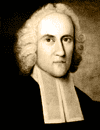 Jonathan Edwards
in Christian Knowledge
Read in context
A sermon without application is like a letter posted without a direction: it may be well written, rightly dated and duly signed; but it is useless, because it never reaches its destination.
J.C. Ryle
in Expository Thoughts On Matthew - Matthew 13:51-58
Read in context
We must, having our heart glowing and our souls on fire with love to them, seek to bring the Truth to bear upon them, to impress it upon their hearts and consciences as in the sight of God and in the place of Christ.
C.H. Spurgeon
in The True Aim of Preaching
Read in context
To preach doctrines in an abstract way, and not in reference to practice, is absurd.
 Charles Finney
in Lecture Xii. - How to Preach the Gospel.
Read in context
The impression is not commonly made by ministers in their preaching that sinners are expected to repent NOW.
Charles Finney
in Lecture Xii. - How to Preach the Gospel.
Read in context
True preaching is to bring the divine perspective to bear in a way that will affect men's understanding and their lives.
 Art Katz
in Preachers of Righteousness
Read in context
The true task of preaching is to bring to bear upon men the very reality of God Himself, and all that is entailed in His Person and His purposes.
 Bryan Anthony
in The Effectuality of True Preaching
Read in context
God's message is not to be preached with marble lips—it must not drop from an icy tongue.
C.H. Spurgeon
in A Message From God
Read in context
It is not enough for the preacher to declare to all men that God loves them--the preacher must love them too--if he would make them believe in the divine love for them.
 J.R. Miller
in The Ministry of Comfort - Part 3
Read in context
The only efficient preaching of the cross--is when the cross is in the preacher's life.
J.R. Miller
in The Ministry of Comfort - Part 3
Read in context
It is a palpable error of some ministers, who make such a disproportion between their preaching and their living; who study hard to preach exactly, and study little or not at all to live exactly.
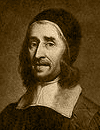 Richard Baxter
in The Reformed Pastor - the Oversight of Ourselves
Read in context
We must think and think again, how to compose our lives, as may most tend to men's salvation, as well as our sermons.
Richard Baxter
in The Reformed Pastor - the Oversight of Ourselves
Read in context
It is not for him they preach, but themselves, and their own reputation or gain.
Richard Baxter
in The Reformed Pastor - the Oversight of Ourselves
Read in context
The best preaching, even in the pulpit, is that which is fortified by godly living, in the preacher himself.
E.M. Bounds
in Prayer and Character and Conduct
Read in context
The sacrificial note must be in the life of the preacher, or his preaching is in vain.
G. Campbell Morgan
in The Message of 2 Corinthians
Read in context
The devil fears a holy man, a man who is genuine, a man who is the same inside as he is on the outside, and a man who never preaches what he does not practise.
Zac Poonen
in (Knowing God's Way) 3. Principles of Serving God
Read in context
It is possible to preach truth without the preacher having any spiritual apprehension of it; that is, from a merely mental apprehension.
T. Austin-Sparks
in Where Christendom Is Deceived
Read in context
A lot of sermons likewise, are prepared with the motive of impressing men and pleasing them.
Zac Poonen
in (A Spiritual Leader) 11. Freed From All Fears
Read in context
The drift of all their preaching is to please men's ears with their rhetoric and to delude men's judgment with their flattery.
C.H. Spurgeon
in All Are Guilty
Read in context
The preaching which pleases us may not be the Truth of God but the doctrine which grieves our heart and troubles our conscience, is, in all probability, true.
C.H. Spurgeon
in The Rough Hewer
Read in context
The preacher who will dare to stand and let his preaching cost him something--God is in that.
A.W. Tozer
in God Is in That!
Read in context
It cannot be learned by industry and imitation only, as a man may learn to make a chair or a table: it comes from above; and if you patiently wait upon God, He will bestow this gift upon you, and increase it in you.
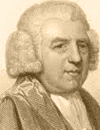 John Newton
in The Gift of Preaching--Advice to a Young Preacher
Read in context
A written sermon is something to lean upon; but it is best for a preacher to lean wholly upon the Lord.
John Newton
in The Gift of Preaching--Advice to a Young Preacher
Read in context
The servant of God has nothing to do with the response which is made to his preaching; his business is to deliver the Word of God in its unadulterated purity and leave the results to the One who has called him.
A.W. Pink
in THE DOCTRINE OF MAN’S IMPOTENCE Chapter 1 INTRODUCTION
Read in context
The preacher must not suppose that if men are not converted, he has lost his work.
C.H. Spurgeon
in The Bellows Burned
Read in context
God uses men to preach the gospel, to call sinners to repentance, and to exhort them to holiness; but the power and conviction and conversions that occur are from God.
 Richard Owen Roberts
in Important Questions
Read in context
The preacher is responsible for the faithfulness of his preaching, but hearers also are responsible for the earnestness of their hearing!
C.H. Spurgeon
in The Blind Man'S Earnest Cries
Read in context
The more they hear, the more they want to hear: they drink in sermons and addresses with avidity, but their lives are unchanged.
A.W. Pink
in Profiting From the Word 6. the Scriptures and Obedience
Read in context
The preacher may have spoken very simply and not have tried to display any of the graces of oratory, yet the sermon satisfied your soul because Christ was in it!
C.H. Spurgeon
in Lessons From the Malta Fire
Read in context
What Scripture says
- 2 Timothy 4:2 the charge to preach the word, in season and out of season
- 1 Corinthians 1:21 God saves those who believe through what is preached
- Romans 10:14 no one can hear without someone to preach
- 1 Corinthians 2:2 Paul resolved to know nothing but Jesus Christ and Him crucified
- 2 Corinthians 4:5 we do not proclaim ourselves, but Jesus Christ as Lord
- Acts 20:27 Paul did not shrink back from declaring the whole will of God
- 1 Corinthians 2:4 not persuasive words of wisdom, but a demonstration of the Spirit's power
- Acts 6:4 prayer and the ministry of the word belong together
- 2 Corinthians 4:2 the truth set plainly before every man's conscience
- 1 Timothy 4:16 the preacher must watch his life as well as his teaching
- 1 Thessalonians 2:13 hearers are to receive the preached word as the word of God
How this page is made: the quotes are taken word for word from sermons on SermonIndex and checked against them by program before the page is published. The transcripts of audio and video sermons are machine-made, so follow the link to hear the words as they were spoken. The answer above the quotes is an overview with its sources listed; it is not a statement of doctrine by SermonIndex.