
The preachers quoted here describe conscience as an inward monitor and judge that accuses us when we do wrong and commends us when we do right. They place it under God and above man, and say it needs knowledge: its rule is the written word of God. They say an evil conscience is cleansed only by the blood of Christ, and that a good conscience is tender and belongs with true faith.
Conscience is the inward faculty by which a person judges his own conduct as right or wrong. The New Testament word is suneidesis, a knowing with oneself.1 Warren Wiersbe defined it: "Conscience is that inward monitor, that inward judge, that accuses us when we do wrong and commends us when we do right."2 John Gill said more briefly, "Conscience is a judge, acquitting or condemning."3 It is God's gift, and it is not God. It can be right or wrong, clean or defiled, tender or hardened.
A witness in every person
Paul says conscience is not limited to those who have the Bible. "When Gentiles, who do not have the law, do by nature what the law requires, they are a law to themselves, even though they do not have the law. So they show that the work of the law is written on their hearts, their consciences also bearing witness, and their thoughts either accusing or defending them" (Romans 2:14-15). Zac Poonen put it simply: "Conscience is what tells us when we do something wrong."4 Ernest O'Neill described it as a remnant of the knowledge of God: "Conscience is partly an inner consciousness or knowledge of your creator and his intentions for you."5 This is why every person is accountable.
Under God and above man
John Wesley gave conscience its place: "Conscience is placed in the middle, under God, and above man."6 It speaks with an authority a person cannot simply dismiss, yet it is not the final authority. Paul could say, "My conscience is clear, but that does not vindicate me. It is the Lord who judges me" (1 Corinthians 4:4).
Conscience needs light
The saying that a person should let conscience be his guide is only half true. Conscience judges by the standard it has been given. Willie Mullan compared it to an instrument: "Conscience is like the compass that the captain of the ship may have on the ship."7 A compass can be thrown off. Dai Patterson retold John Knox's answer to a queen who appealed to her conscience against his preaching: "Conscience, Madam, requires knowledge and I fear that you have none."8 Wesley said that conscience implies "a knowledge of the rule whereby he is to be directed in every particular; which is no other than the written word of God."6 Poonen noted the Lord's own picture: "The conscience is compared with the eye, the human eye."4 An eye needs light to see by.
A defiled conscience
Sin and false teaching corrupt the judge itself. Paul writes of some, "both their minds and their consciences are defiled" (Titus 1:15). Such a conscience excuses what God condemns. It does not usually begin with a great rebellion. It begins with a small thing protected and a conviction put off.
A seared conscience
Further along that road is something worse. Paul speaks of "liars, whose consciences are seared with a hot iron" (1 Timothy 4:2). Scar tissue has no feeling. Each time conscience is silenced it speaks more faintly the next time, until a person can sin without shame and defend it without hesitation. Paul names two men who went this way, "holding on to faith and a good conscience, which some have rejected and thereby shipwrecked their faith" (1 Timothy 1:19).
A weak conscience
A conscience may also be over-scrupulous, condemning what God has not forbidden. Paul deals with believers troubled about food and days. He does not mock them. "Each one should be fully convinced in his own mind" (Romans 14:5). A person must not act against his conscience even when it is mistaken: "the one who has doubts is condemned if he eats, because his eating is not from faith; and everything that is not from faith is sin" (Romans 14:23). And the strong must not trample the weak: "By sinning against your brothers in this way and wounding their weak conscience, you sin against Christ" (1 Corinthians 8:12).
Lord of the conscience
The Westminster Confession draws the principle from these chapters: "God alone is Lord of the conscience".9 No church or ruler may bind it with commands that God has not given, and no believer may make his private scruples the rule for others.
How a guilty conscience is cleansed
Conscience can accuse, but it cannot pardon. Gill wrote of "an evil conscience; the consequences of which are guilt, terror, distress, and sorrow, sooner or later, unless the heart is purged from it by the blood of Christ".3 Good works and religious effort do not quiet it for long. Scripture gives the remedy: "how much more will the blood of Christ, who through the eternal Spirit offered Himself unblemished to God, purify our consciences from works of death, so that we may serve the living God!" (Hebrews 9:14). On that ground believers may "draw near with a sincere heart in full assurance of faith, having our hearts sprinkled to cleanse us from a guilty conscience" (Hebrews 10:22). When conscience still accuses a forgiven believer, John answers, "God is greater than our hearts, and He knows all things" (1 John 3:20).
A good conscience
The New Testament often speaks of a good or clear conscience. Paul said before the council, "I have conducted myself before God in all good conscience to this day" (Acts 23:1), and before the governor, "I strive always to maintain a clear conscience before God and man" (Acts 24:16). It took effort. Thomas Reade described it: "A good conscience is tender, alive to the approach of evil, and sensible of the subtle workings of indwelling sin."10 It does not claim sinlessness. It keeps short accounts, confessing sin quickly to God and putting things right with people.
Faith and a good conscience
Paul joins the two repeatedly. "The goal of our instruction is the love that comes from a pure heart, a clear conscience, and a sincere faith" (1 Timothy 1:5). Zac Poonen said it in his own blunt way: "If you don't have a good conscience whatever faith you claim to have is garbage."11 A faith that leaves the conscience untouched is not the faith of the New Testament.
Conscience and witness
A clear conscience gives weight to what a Christian says. Peter tells believers to answer their critics with gentleness, "keeping a clear conscience, so that those who slander you may be put to shame by your good behavior in Christ" (1 Peter 3:16). Paul could appeal to his: "Our conscience testifies that we have conducted ourselves in the world, and especially in relation to you, in the holiness and sincerity that are from God" (2 Corinthians 1:12).
Conscience and the Holy Spirit
Conscience is a human faculty. The Holy Spirit is God. The two work together in a believer, and Paul speaks of his words being "confirmed by my conscience in the Holy Spirit" (Romans 9:1). Because the heart can deceive itself, the believer asks God to do the searching: "Search me, O God, and know my heart; test me and know my concerns" (Psalm 139:23).
- Strong's Greek 4893, syneídēsis: "co-perception, i.e. moral consciousness".
- Warren Wiersbe, "The Case for a Good Conscience" (sermon).
- John Gill, "Of a Good Conscience" (sermon).
- Zac Poonen, "Free Will and the Conscience" (sermon).
- Ernest O'Neill, "Seared Conscience" (sermon).
- John Wesley, "On Conscience" (sermon).
- Willie Mullan, "(Bible Analysis of Man) Man's Conscience" (sermon).
- Dai Patterson, "Conscience - Part 4" (sermon).
- Thomas Reade, "The Testimony of Conscience" (sermon).
- Zac Poonen, "A Good Conscience" (sermon).
- Anonymous, Westminster Confession of Faith, "CHAPTER XX: Of Christian Liberty and Liberty of Conscience".
In their own words
Each line below is quoted exactly from a sermon on this site. Follow the link to hear or read it where it was said.
Conscience is that inward monitor, that inward judge, that accuses us when we do wrong and commends us when we do right.
 Warren Wiersbe
in The Case for a Good Conscience
Listen at 1:13
Conscience is a judge, acquitting or condemning.
 John Gill
in Of a Good Conscience.
Read in context
Conscience is placed in the middle, under God, and above man.
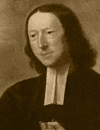 John Wesley
in On Conscience
Read in context
Conscience is like the compass that the captain of the ship may have on the ship.
 Willie Mullan
in (Bible Analysis of Man) Man's Conscience
Listen at 4:32
Conscience is the moral eye of the soul--an eye single to righteousness.
 Amos S. Hayden
in Conscience and Christianity
Read in context
A good conscience is tender, alive to the approach of evil, and sensible of the subtle workings of indwelling sin.
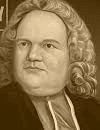 Thomas Reade
in The Testimony of Conscience
Read in context
The conscience is a knowledge or a feeling of right and wrong.
 David Cooper
in Your Conscience, the Cross, True Faith, False Religion
Listen at 9:23
Conscience is partly an inner consciousness or knowledge of your creator and his intentions for you.
 Ernest O'Neill
in Seared Conscience
Read in context
The conscience is God's echo of peace for the soul.
 J.I. Packer
in The Puritans as Guides of Conscience
Listen at 11:25
Conscience is what tells us when we do something wrong.
 Zac Poonen
in Free Will and the Conscience
Listen at 16:00
Conscience, Madam, requires knowledge and I fear that you have none.
 Dai Patterson
in Conscience - Part 4
Listen to the sermon
If you don't have a good conscience whatever faith you claim to have is garbage.
Zac Poonen
in A Good Conscience
Listen to the sermon
It implies, Secondly, a knowledge of the rule whereby he is to be directed in every particular; which is no other than the written word of God.
John Wesley
in On Conscience
Read in context
What Scripture says
- Romans 2:14-15 their consciences also bearing witness
- Hebrews 9:14 purify our consciences from works of death
- Hebrews 10:22 hearts sprinkled to cleanse us from a guilty conscience
- Acts 24:16 a clear conscience before God and man
- 1 Timothy 1:5 a pure heart, a clear conscience, and a sincere faith
- 1 Timothy 4:2 consciences are seared with a hot iron
- Titus 1:15 both their minds and their consciences are defiled
- 1 Corinthians 8:12 wounding their weak conscience
How this page is made: the quotes are taken word for word from sermons on SermonIndex and checked against them by program before the page is published. The transcripts of audio and video sermons are machine-made, so follow the link to hear the words as they were spoken. The answer above the quotes is an overview with its sources listed; it is not a statement of doctrine by SermonIndex.