
The preachers quoted here describe forgiveness as the loving cancellation of a debt. They say it costs the one who forgives, that it is a way of life and not a single act, and that it is not the same as forgetting.
The New Testament word aphesis means release or pardon, a sending away;1 the Old Testament salach is used only of God's forgiving.2 The pictures Scripture uses are of removal: "As far as the east is from the west, so far hath he removed our transgressions from us" (Psalm 103:12); "thou wilt cast all their sins into the depths of the sea" (Micah 7:19).
God's forgiveness is free to the sinner but not without cost. "Without shedding of blood is no remission" (Hebrews 9:22). "In whom we have redemption through his blood, the forgiveness of sins" (Ephesians 1:7). On that ground the promise is plain: "If we confess our sins, he is faithful and just to forgive us our sins" (1 John 1:9). Thomas Watson wrote, "Forgiveness is spun out of the bowels of God's mercy; there is nothing we can do that can deserve it; not our prayers, or tears, or good deeds can purchase pardon."3
Those who are forgiven are commanded to forgive. Jesus taught his disciples to pray, "forgive us our debts, as we forgive our debtors", and added that the Father will not forgive those who refuse to forgive (Matthew 6:12-15). When Peter asked whether seven times was enough, he answered, "Until seventy times seven", and told the parable of the servant forgiven an enormous debt who would not forgive a small one (Matthew 18:21-35). Paul gives the measure: "forgiving one another, even as God for Christ's sake hath forgiven you" (Ephesians 4:32).
Forgiveness is not excusing a wrong, pretending it did not happen, or giving up justice; vengeance is left to God (Romans 12:19). Writers differ on whether it must wait for the offender's repentance. Jesus says, "if he repent, forgive him" (Luke 17:3), and some argue from this that forgiveness is offered to all but completed only where there is repentance. Others stress that it is a gift given before it is deserved. Both insist that a Christian must never nurse bitterness.
The examples are Christ on the cross, "Father, forgive them; for they know not what they do" (Luke 23:34), and Stephen, "Lord, lay not this sin to their charge" (Acts 7:60).
Forgiveness, then, is releasing a debtor from what he owes because God has released us. It is costly, it is commanded, and Scripture treats a refusal to forgive as a sign that a person has not understood how much he himself has been forgiven.
- Strong's Greek 859, áphesis: "freedom; (figuratively) pardon".
- Strong's Hebrew 5545, çâlach: "to forgive".
- Thomas Watson, The Lord's Prayer, "The Fifth Petition in the Lord's Prayer".
In their own words
Each line below is quoted exactly from a sermon on this site. Follow the link to hear or read it where it was said.
Forgiveness is the loving cancellation of a debt.
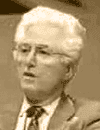 Lou Sutera
in The Urgency of a Forgiving Spirit
Listen at 16:25
Forgiveness is not just a one-time act, but a way of life, meant to bring us into every blessing in Christ.
 David Wilkerson
in The Power of Forgiveness
Read in context
Forgiveness is going to cost you love and it's going to cost you pride.
Lou Sutera
in The Consequences of an Unforgiving Spirit
Listen at 43:17
Forgiveness is not forgetting things, that's what it is.
 K.P. Yohannan
in Forgiven to Forgive
Listen at 13:17
Forgiveness is extremely important for your own mental well-being.
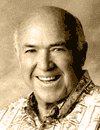 Chuck Smith
in The Law of Forgiveness
Listen at 17:32
What Scripture says
- Ephesians 4:32 forgiving one another, even as God for Christ's sake has forgiven you
- Matthew 6:14-15 if you forgive men their trespasses, your Father will also forgive you
- 1 John 1:9 if we confess our sins, he is faithful and just to forgive
- Matthew 18:21-22 until seventy times seven
- Psalm 103:12 as far as the east is from the west
How this page is made: the quotes are taken word for word from sermons on SermonIndex and checked against them by program before the page is published. The transcripts of audio and video sermons are machine-made, so follow the link to hear the words as they were spoken. The answer above the quotes is an overview with its sources listed; it is not a statement of doctrine by SermonIndex.