
Bitterness is resentment kept and fed until it settles in the heart. The preachers quoted here show where it grows, in injured pride, envy and hard providences, and what it does to the soul, to prayer and to others. They say it is put away by confessing it as sin, remembering how much God has forgiven, leaving the wrong with Him, seeing His hand as Joseph did, and praying for the one who did the wrong.
Bitterness is resentment that has been kept and fed until it settles in the heart. Scripture treats it as sin to be put away, and it gives the way: own it before God, remember how much He has forgiven you, leave the wrong in His hands, and return good to the one who did it. Paul wrote, "Get rid of all bitterness, rage and anger, outcry and slander, along with every form of malice." (Ephesians 4:31). He went on, "Be kind and tenderhearted to one another, forgiving each other just as in Christ God forgave you." (Ephesians 4:32). Charles Spurgeon said, "A bitter spirit is a poor companion for a renewed heart."1
What bitterness is
Bitterness is not the first sting of a wrong. It is what the wrong becomes when it is held. The law of Moses names both the act and the inward state: "Do not seek revenge or bear a grudge against any of your people, but love your neighbor as yourself." (Leviticus 19:18). F.B. Meyer wrote, "It is natural for us to be stung to the quick by a feeling of resentment under rebuff, or slight, or rudeness, or wrong."2 The sin lies in keeping it. Gardiner Spring wrote of the unforgiving heart, "Many a proud and unforgiving spirit demeans itself thus, which treasures up injury in long and revengeful remembrance; wishes evil to those who have injured him; and if he is not ready to do them evil, rejoices in their calamity."3
The root of bitterness
The letter to the Hebrews gives the picture of a root. "See to it that no one falls short of the grace of God, and that no root of bitterness springs up to cause trouble and defile many." (Hebrews 12:15). The words look back to Moses, who warned Israel against anyone whose heart turned away from the Lord: "Make sure there is no root among you that bears such poisonous and bitter fruit" (Deuteronomy 29:18). A root lies out of sight, and it grows. The preachers apply the warning to any sin left in the heart, and to ill feeling between believers in particular. Spurgeon said, "Our errors and our sins are roots of bitterness which spring up and trouble us, and many are defiled."4 He said elsewhere, "The moment one Christian imagines that another thinks hardly of him, though there may not be the slightest truth in that thought, yet straightway the root of bitterness is planted."5 David Wilkerson wrote, "The root of bitterness must first be recognized, then plucked out."6
Where it grows: pride and envy
Bitterness usually begins with a real hurt, or with one that is imagined. It grows because pride will not let the hurt go. Spurgeon said, "But in all of us there is that proud spirit which resents injuries and would revenge them."7
A second soil is envy. James wrote, "But if you harbor bitter jealousy and selfish ambition in your hearts, do not boast in it or deny the truth." (James 3:14). He added, "For where jealousy and selfish ambition exist, there will be disorder and every evil practice." (James 3:16). Saul is the example. When the women sang of David's ten thousands, "Saul was furious and resented this song." (1 Samuel 18:8). The next verse says, "And from that day forward Saul kept a jealous eye on David." (1 Samuel 18:9). Thomas Manton wrote on the words of James, "The devil worketh upon nothing so much as envy and discontent: such a spirit is fit for Satan's lure."8 Thomas Brooks wrote of believers, "There is an aptness even in real saints to grudge and repine at those gifts, graces, and excellencies in others that outshine their own."9 Solomon said, "A tranquil heart is life to the body, but envy rots the bones." (Proverbs 14:30).
Bitterness against God
Loss and disappointment can turn the heart against God Himself. Naomi came home to Bethlehem a widow who had buried both her sons. She told the women to call her Mara, which means bitter, and said, "the Almighty has dealt quite bitterly with me." (Ruth 1:20). She said, "I went away full, but the LORD has brought me back empty." (Ruth 1:21). William M. Taylor wrote, "Naomi, therefore, was not wrong in tracing all her changes in condition to God, but she erred in ascribing any bitterness to God in His treatment of her."10 He added, "In like manner adversity, how bitter soever it may be, is a manifestation of God's love to us, designed for our ultimate and highest welfare."11 The end of the book shows it. The Lord had not left her, and the grandson laid in her arms was the grandfather of David.
Alexander Maclaren wrote of the two effects of sorrow, "There is such a thing as being made sullen, hard, selfish, negligent of duty, resentful against God, hopeless, by the pressure of our calamities."12 G. Campbell Morgan wrote, "To those outside the Will of God, sorrow, trouble, disappointment, come; and the tendency is to harden and embitter."13
Israel met bitter water three days after the Red Sea. "And when they came to Marah, they could not drink the water there because it was bitter. (That is why it was named Marah.)" (Exodus 15:23). Moses cried to the Lord, who showed him a piece of wood, and the water was made sweet. Maclaren wrote on that passage, "The one secret of peace and of getting sweetness out of bitterness is loving acceptance of the will of God."14
What it does to the one who keeps it
Bitterness harms the one who holds it more than the one it is aimed at. Spurgeon said, "To let an injury rankle in your bosom and to meditate revenge is to keep old wounds open and to make new ones."15 In a sermon on overcoming evil with good he said, "Brothers and Sisters, the desire to return evil for evil does not succeed because it injures us much more than it injures the person whom we seek to overcome!"16 He went on, "Scarcely any injury which we can ever sustain will so injure us as the injury which must arise to us from becoming angry and revengeful."16 A.W. Tozer wrote, "Pride, arrogance, resentfulness, evil imaginings, malice, greed: these are the sources of more human pain than all the diseases that ever afflicted mortal flesh."17
It spreads, and it grieves the Spirit
Hebrews says that the root springs up "to cause trouble and defile many." (Hebrews 12:15). Bitterness does not stay in one heart. It is spoken, and others take it up. A family or a church can be divided by one grievance that was never dealt with. J.C. Ryle wrote, "The quantity of malice, bitterness, and party spirit among Christians is fearfully great."18 In another place he wrote of people who go to the Lord's table and profess to love the gospel, yet are always quarrelling with those around them. Of them he wrote, "An unforgiving and quarrelsome spirit is the surest mark of an unregenerate heart."19
Paul sets the command about bitterness beside another. "And do not grieve the Holy Spirit of God, in whom you were sealed for the day of redemption." (Ephesians 4:30). Spurgeon said, "It appears, from the thirty-first verse, that the Holy Spirit is grieved by any approach to bitterness, wrath, anger, clamor, evil speaking and malice."20 He said to his own church, "If any of you are conscious of bitterness in ever so small a measure, purge it out lest the Spirit of God be grieved with you and grieved with the Church of God for your sake."20 Meyer wrote of the things that grieve Him, "They are enumerated here as bitterness, wrath, anger, clamour, railing, with all kinds of malice."21
It hinders prayer and worship
The Lord Jesus joined prayer and forgiveness. "And when you stand to pray, if you hold anything against another, forgive it, so that your Father in heaven will forgive your trespasses as well." (Mark 11:25). In the Sermon on the Mount He said, "So if you are offering your gift at the altar and there remember that your brother has something against you, leave your gift there before the altar. First go and be reconciled to your brother; then come and offer your gift." (Matthew 5:23-24). The preachers speak strongly here. R.A. Torrey wrote, "Prayer is answered on the basis that our sins are forgiven; and God cannot deal with us on the basis of forgiveness while we are harboring ill-will against those who have wronged us."22 In his words, "Any one who is nursing a grudge against another has fast closed the ear of God against his own petition."22 W.H. Griffith Thomas put it as strongly. He wrote, "If there is any grudge or resentment in the heart, to say nothing of anger and malice, there is no possibility of prayer being answered."23 Tozer said, "We cannot pray in love and live in hate and spite and grudge, and still think we're worshipping God."24
The same holds at the Lord's Supper. Thomas Watson wrote, "The Israelites did eat the Passover with bitter herbs; so must we eat the sacrament with bitter herbs of repentance, but not with bitter hearts of wrath and malice."25 In another book he wrote, "We must come with bitter tears, yet not with bitter spirits."26 Paris Reidhead said, "To come to the Lord's Table with resentment, with bitterness in your heart, to come with an unforgiving spirit is to drink destruction and judgment to yourself."27
Love keeps no account of wrongs
Paul says of love, "It is not rude, it is not self-seeking, it is not easily angered, it keeps no account of wrongs." (1 Corinthians 13:5). Bitterness is the keeping of such an account. A.W. Pink wrote of meekness, "It is that lamb-like disposition which enables one to bear injury from others without bitterness and retaliating in a spirit of revenge."28 Stephen Charnock wrote, "Meekness is seen in pardoning of injuries, not keeping them in memory, to beget and cherish revenge."29
The home is where the account is most easily kept. Paul wrote, "Husbands, love your wives and do not be harsh with them." (Colossians 3:19). Zac Poonen wrote, "A husband must never be bitter against his wife under any circumstances, and he must love her at all times."30
Put it away
The command is plain. Bitterness is to be got rid of, all of it. That begins with calling it sin and confessing it. "If we confess our sins, He is faithful and just to forgive us our sins and to cleanse us from all unrighteousness." (1 John 1:9). Spurgeon said, "You must not keep a drop of malice in your soul, for Christ's sake."31 He said in another sermon, "A revengeful, bitter and malicious spirit is little likely to imbibe the sweet forgiving spirit of the Gospel."32 Wilkerson's line has already been quoted: the root must be recognised and then plucked out.
Outward peace is not enough. Spring wrote, "Nor is the spirit of forgiveness merely a restraint laid upon the angry passions; a smothering of our resentment; a mere forbearance of the outward acts of retaliation while yet the heart prompts to revenge."33 Poonen wrote, "Telling someone that you forgive him is meaningless if there is still bitterness in your heart."34 It can lie hidden. Charles Finney said, "Sometimes persons harbor resentment without being aware of it."35
Remember how much you have been forgiven
Paul gives the measure and the motive together. "Bear with one another and forgive any complaint you may have against someone else. Forgive as the Lord forgave you." (Colossians 3:13). The Lord's parable of the unforgiving servant presses it. The king said to the man he had released from a vast debt, "Shouldn't you have had mercy on your fellow servant, just as I had on you?" (Matthew 18:33). The Lord applied it: "That is how My heavenly Father will treat each of you unless you forgive your brother from your heart." (Matthew 18:35). Spurgeon said, "If the Lord forgives us our debt of ten thousand talents, we must be willing to forgive our fellow-servant his debt of a hundred pence."36 Ryle wrote on the parable, "Surely it ill becomes poor erring creatures like us to be extreme in marking what is done amiss by our brethren, or slow to forgive it."37 He added, "It is a melancholy fact that there are few Christian duties so little practiced as that of forgiveness: it is sad to see how much bitterness, unmercifulness, spite, hardness and unkindness there is among men."37
Pink wrote, "God bears long with the wicked notwithstanding the multitude of their sin, and shall we desire to be revenged because of a single injury?"38 Poonen wrote, "God has forgiven us so much that to forgive others from our hearts is the very least that we can do as an expression of our gratitude to Him Who loved us and gave Himself for us."39 Spurgeon said, "You must forgive, not because you are forced to, but because you heartily do it."31 What forgiveness is, and what it does not require, is set out on the page on forgiveness linked below.
Leave the wrong with God
Much bitterness is a claim to judge the case ourselves. Scripture takes the case out of our hands. "Do not avenge yourselves, beloved, but leave room for God's wrath." (Romans 12:19). Peter says of the Lord Jesus, "When they heaped abuse on Him, He did not retaliate; when He suffered, He made no threats, but entrusted Himself to Him who judges justly." (1 Peter 2:23). Spurgeon said, "Above all, my brethren, and with this I close, never in any way, directly or indirectly, avenge yourselves."31 John Bunyan wrote, "You must not, indeed, you must not avenge yourselves of your enemies."40
Solomon said, "A man's insight gives him patience, and his virtue is to overlook an offense." (Proverbs 19:11). Hugh Binning wrote, "There is a greater sweetness and refreshment in the peaceable condescendence of a man's spirit, and in the quiet passing by any injury, than the highest satisfaction that ever revenge or contention gave to any man."41 J.H. Jowett wrote of Paul, "Paul wanted a shield, not against injury; that might come or stay away; but against the deadly thing that is born of injury, even the foul offspring of revenge."42
See the hand of God: Joseph
Joseph had more cause for bitterness than most men. His brothers sold him, and he spent years as a slave and a prisoner. When their father died the brothers said, "What if Joseph bears a grudge?" (Genesis 50:15). Joseph answered, "Am I in the place of God?" (Genesis 50:19). Then he said, "As for you, what you intended against me for evil, God intended for good, in order to accomplish a day like this—to preserve the lives of many people." (Genesis 50:20). He looked past what they had done to what God had done by it.
Manton drew the rule from David, who would not let Shimei be struck for cursing him, and then from Joseph. He wrote, "If we mind providence rather than revenge, we must not reflect on the injury done to us, nor the malice of our adversaries, but the will and good pleasure of God."43 T. Austin-Sparks said of Joseph in prison, "We see no trace of bitterness, resentment, rebellion; faith is triumphant in Joseph."44 Arthur Pierson wrote, "Joseph's treatment of his brethren is perhaps in all the word of God, the finest example of Love, unselfish, sympathetic, forgiving and magnanimous."45
Pray for the one who wronged you
The Lord Jesus said, "But I tell you, love your enemies and pray for those who persecute you," (Matthew 5:44). On the cross He prayed, "Father, forgive them, for they do not know what they are doing." (Luke 23:34). It is hard to stay bitter against a person for whom one prays. Pink wrote, "The best way of overcoming a bitter spirit to a brother who has offended is to be much in prayer for him."46
Paul ends his words on vengeance with a command to act. "Do not be overcome by evil, but overcome evil with good." (Romans 12:21). Spurgeon said, "The very thing your enemy wants is to make you descend to his level of anger and malice, but, as long as having much provocation you remain unprovoked, you vanquish him."16 The page on loving your enemies, linked below, takes this further.
Keep watch
Hebrews tells believers to see to it that no such root springs up. The verse before it says, "Pursue peace with everyone, as well as holiness, without which no one will see the Lord." (Hebrews 12:14). Solomon said, "Guard your heart with all diligence, for from it flow springs of life." (Proverbs 4:23). New wrongs will come, and each must be dealt with while it is small. John Owen wrote of peace among believers, "Carefully observe, in ourselves or others, the first beginnings of strife; which are as the letting out of water, and, if not prevented, will make a breach like the sea."47 The writer to the Hebrews points to the Lord: "Consider Him who endured such hostility from sinners, so that you will not grow weary and lose heart." (Hebrews 12:3).
- C.H. Spurgeon, "The Winnowing Fan" (sermon).
- F.B. Meyer, Writings of F B Meyer - Volume 1, "The Heritage of the Earth".
- Gardiner Spring, The Mercy Seat, "A Forgiving Spirit".
- C.H. Spurgeon, "Our Lord's Prayer for His People's Sanctification" (sermon).
- C.H. Spurgeon, Till He Come, "Christ and His Table-Companions".
- David Wilkerson, A Large Collection of Sermons By Pastor David Wilkerson - Volume 1, "PRE-068-65. Love Your Way To Freedom".
- C.H. Spurgeon, "The Maintenance of Good Works" (sermon).
- Thomas Manton, The Complete Works of Thomas Manton, D.D. Vol. IV, "CHAPTER III: VER. 1. My brethren, be not many masters, knowing that...".
- Thomas Brooks, Writings of Thomas Brooks, "Volume 3".
- William M. Taylor, Ruth the Gleaner, "Return and Reception (Ruth 1:6-22)".
- William M. Taylor, Ruth the Gleaner, "Return and Reception (Ruth 1:6-22)".
- Alexander Maclaren, Expositions Of Holy Scripture A, "The second beatitude".
- G. Campbell Morgan, Writings of G Campbell Morgan - Volume 1, "Practicable Because Of Its Nature".
- Alexander Maclaren, Expositions Of Holy Scripture K, "Marah".
- C.H. Spurgeon, "Forget and Forgive" (sermon).
- C.H. Spurgeon, "Overcome Evil With Good" (sermon).
- A.W. Tozer, The Pursuit Of God, "IX Meekness and Rest".
- J.C. Ryle, Expository Thoughts on Mark, "Mark 11:22-26".
- J.C. Ryle, Expository Thoughts On Luke, "Luke 17:1-4".
- C.H. Spurgeon, "Grieve Not the Holy Spirit" (sermon).
- F.B. Meyer, "The Holy Spirit" (sermon).
- R.A. Torrey, "Hindrances to Prayer" (sermon).
- W.H. Griffith Thomas, "The Christian's Vital Breath" (sermon).
- A.W. Tozer, "'The Act of Worship'" (sermon).
- Thomas Watson, The Ten Commandments, "The Lord's Supper".
- Thomas Watson, The Mystery of the Lords Supper, "Six differences between a sincere faith and a hypocritical faith".
- Paris Reidhead, "Christians Hate Sin" (sermon).
- A.W. Pink, "THE DOCTRINE OF RECONCILIATION Chapter 31 Its Need Revisited-Concluded" (sermon).
- Stephen Charnock, Writings of Stephen Charnock, "The Fruits of Converting Grace in the Salvation of Sinners".
- Zac Poonen, "(Gaining God's Approval) 4. the Testing of Job" (sermon).
- C.H. Spurgeon, "Forgiveness Made Easy" (sermon).
- C.H. Spurgeon, "Before Sermon, At Sermon and After Sermon" (sermon).
- Gardiner Spring, The Mercy Seat, "A Forgiving Spirit".
- Zac Poonen, "(One Body in Christ) 2. Growing in Love" (sermon).
- Charles Finney, "On Being Searched of God" (sermon).
- C.H. Spurgeon, Spurgeons Sermons Volume 38 1892, "|Thou Art Now the Blessed of the Lord.|".
- J.C. Ryle, "Expository Thoughts On Matthew - Matthew 18:21-35" (sermon).
- A.W. Pink, "The Attributes of God 12. the Patience of God" (sermon).
- Zac Poonen, "(The Full Gospel) 15. What a Happy Year It Will Be" (sermon).
- John Bunyan, The Works Of John Bunyan Volumes 1-3, "Seasonable counsel: or, advice to sufferers".
- Hugh Binning, The Works Of The Rev Hugh Binning, "Chapter V. Humility is the root of charity, and meekness the fruit of...".
- J.H. Jowett, Writings of J H Jowett, "The Shield of Faith".
- Thomas Manton, The Complete Works of Thomas Manton, Volume 19, "Sermon upon john xviii. 11,".
- T. Austin-Sparks, "Joseph and the Law of Life" (sermon).
- Arthur Pierson, Knowing the Scriptures - Rules Methods Bible Study, "Links between the Historical and Ethical".
- A.W. Pink, "Profiting From the Word 10. the Scriptures and Love" (sermon).
- Owen, Duties of Christian Fellowship, "Eshcol:".
In their own words
Each line below is quoted exactly from a sermon on this site. Follow the link to hear or read it where it was said.
A bitter spirit is a poor companion for a renewed heart.
 C.H. Spurgeon
in The Winnowing Fan
Read in context
Our errors and our sins are roots of bitterness which spring up and trouble us, and many are defiled.
C.H. Spurgeon
in Our Lord's Prayer for His People's Sanctification
Read in context
But in all of us there is that proud spirit which resents injuries and would revenge them.
C.H. Spurgeon
in The Maintenance of Good Works
Read in context
To let an injury rankle in your bosom and to meditate revenge is to keep old wounds open and to make new ones.
C.H. Spurgeon
in Forget and Forgive
Read in context
Brothers and Sisters, the desire to return evil for evil does not succeed because it injures us much more than it injures the person whom we seek to overcome!
C.H. Spurgeon
in Overcome Evil With Good
Read in context
Scarcely any injury which we can ever sustain will so injure us as the injury which must arise to us from becoming angry and revengeful.
C.H. Spurgeon
in Overcome Evil With Good
Read in context
The very thing your enemy wants is to make you descend to his level of anger and malice, but, as long as having much provocation you remain unprovoked, you vanquish him.
C.H. Spurgeon
in Overcome Evil With Good
Read in context
It appears, from the thirty-first verse, that the Holy Spirit is grieved by any approach to bitterness, wrath, anger, clamor, evil speaking and malice.
C.H. Spurgeon
in Grieve Not the Holy Spirit
Read in context
If any of you are conscious of bitterness in ever so small a measure, purge it out lest the Spirit of God be grieved with you and grieved with the Church of God for your sake.
C.H. Spurgeon
in Grieve Not the Holy Spirit
Read in context
They are enumerated here as bitterness, wrath, anger, clamour, railing, with all kinds of malice.
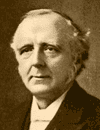 F.B. Meyer
in The Holy Spirit
Read in context
Prayer is answered on the basis that our sins are forgiven; and God cannot deal with us on the basis of forgiveness while we are harboring ill-will against those who have wronged us.
 R.A. Torrey
in Hindrances to Prayer
Read in context
Any one who is nursing a grudge against another has fast closed the ear of God against his own petition.
R.A. Torrey
in Hindrances to Prayer
Read in context
If there is any grudge or resentment in the heart, to say nothing of anger and malice, there is no possibility of prayer being answered.
 W.H. Griffith Thomas
in The Christian's Vital Breath
Read in context
We cannot pray in love and live in hate and spite and grudge, and still think we're worshipping God.
 A.W. Tozer
in 'The Act of Worship'
Read in context
To come to the Lord's Table with resentment, with bitterness in your heart, to come with an unforgiving spirit is to drink destruction and judgment to yourself.
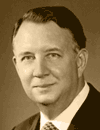 Paris Reidhead
in Christians Hate Sin
Read in context
It is that lamb-like disposition which enables one to bear injury from others without bitterness and retaliating in a spirit of revenge.
 A.W. Pink
in THE DOCTRINE OF RECONCILIATION Chapter 31 Its Need Revisited-Concluded
Read in context
A husband must never be bitter against his wife under any circumstances, and he must love her at all times.
 Zac Poonen
in (Gaining God's Approval) 4. the Testing of Job
Read in context
You must not keep a drop of malice in your soul, for Christ's sake.
C.H. Spurgeon
in Forgiveness Made Easy
Read in context
You must forgive, not because you are forced to, but because you heartily do it.
C.H. Spurgeon
in Forgiveness Made Easy
Read in context
Above all, my brethren, and with this I close, never in any way, directly or indirectly, avenge yourselves.
C.H. Spurgeon
in Forgiveness Made Easy
Read in context
A revengeful, bitter and malicious spirit is little likely to imbibe the sweet forgiving spirit of the Gospel.
C.H. Spurgeon
in Before Sermon, At Sermon and After Sermon
Read in context
Telling someone that you forgive him is meaningless if there is still bitterness in your heart.
Zac Poonen
in (One Body in Christ) 2. Growing in Love
Read in context
Sometimes persons harbor resentment without being aware of it.
 Charles Finney
in On Being Searched of God
Read in context
Surely it ill becomes poor erring creatures like us to be extreme in marking what is done amiss by our brethren, or slow to forgive it.
 J.C. Ryle
in Expository Thoughts On Matthew - Matthew 18:21-35
Read in context
It is a melancholy fact that there are few Christian duties so little practiced as that of forgiveness: it is sad to see how much bitterness, unmercifulness, spite, hardness and unkindness there is among men.
J.C. Ryle
in Expository Thoughts On Matthew - Matthew 18:21-35
Read in context
God bears long with the wicked notwithstanding the multitude of their sin, and shall we desire to be revenged because of a single injury?
A.W. Pink
in The Attributes of God 12. the Patience of God
Read in context
God has forgiven us so much that to forgive others from our hearts is the very least that we can do as an expression of our gratitude to Him Who loved us and gave Himself for us.
Zac Poonen
in (The Full Gospel) 15. What a Happy Year It Will Be
Read in context
We see no trace of bitterness, resentment, rebellion; faith is triumphant in Joseph.
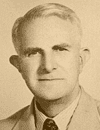 T. Austin-Sparks
in Joseph and the Law of Life
Read in context
The best way of overcoming a bitter spirit to a brother who has offended is to be much in prayer for him.
A.W. Pink
in Profiting From the Word 10. the Scriptures and Love
Read in context
What Scripture says
- Ephesians 4:31 get rid of all bitterness
- Ephesians 4:32 forgiving each other just as in Christ God forgave you
- Hebrews 12:15 no root of bitterness is to spring up and defile many
- Colossians 3:13 forgive as the Lord forgave you
- Romans 12:19 do not avenge yourselves; vengeance belongs to the Lord
- James 3:14 bitter jealousy harboured in the heart
- Genesis 50:20 what was intended for evil, God intended for good
- Mark 11:25 forgive when you stand to pray
- Matthew 18:35 forgive your brother from your heart
- 1 Corinthians 13:5 love keeps no account of wrongs
- Leviticus 19:18 do not seek revenge or bear a grudge
How this page is made: the quotes are taken word for word from sermons on SermonIndex and checked against them by program before the page is published. The transcripts of audio and video sermons are machine-made, so follow the link to hear the words as they were spoken. The answer above the quotes is an overview with its sources listed; it is not a statement of doctrine by SermonIndex.