
Christ 'Must' Die
Jesus' death was necessary and voluntary, driven by His love for humanity, and is guaranteed by the power of the Cross.
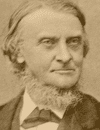
Alexander Maclaren emphasizes that the work of Jesus Christ necessitated His death, as He could not be the Savior without being the sacrifice for humanity's sins. This was not merely a martyr's death but a deliberate act of love and obedience to God, driven by His desire to save mankind. Christ's willingness to endure the Cross was motivated by His love for us, and it is through this sacrifice that He guarantees our salvation and future peace. Maclaren encourages believers to recognize that true obedience stems from love and that our response to God's call should be one of glad obedience.
Text
The work of Jesus Christ could not be done unless He died. He could not be the Savior of the world unless He was the sacrifice for the sins of the world.
. . . It was because of the requirements of the divine righteousness, and because of the necessities of sinful men. And so Christ's was no martyr's death, who had to die as the penalty of the faithful discharge of His duty. It was not the penalty that He paid for doing His work, but it was the work itself. . . He "came to give His life a ransom for many."
. . . He must die because He would save, and He would save because He did love. His filial obedience to God coincided with His pity for men. . .
Oh, brethren! nothing held Christ to the Cross but His own desire to save us. Neither priests nor Romans carried Him tither. What fastened Him to it was not the nails driven by rude hands. And the reason why He did not, as the taunters bade Him do, come down from it, was neither a physical nor a moral necessity unwelcome to Himself, but the yielding of His own will to do all which was needed for man's salvation.
This sacrifice was bound to the altar by the cords of love. . . Jesus Christ fastened Himself to the Cross and died because He would. . . . His purpose never faltered, think that each of us may say, "He must die because He would save me."
. . . It is guaranteed by the power of the Cross; it is certain, by the eternal life of the crucified Savior, that He will one day be the King of humanity, and must bring His wandering sheep to couch in peace, one flock round one Shepherd.
Glad obedience is true obedience. . . . Obedience is obedience, whether in large things or in small.
Joy and liberty and power and peace will fill our hearts when this is the law of our being: "All that the Lord has spoken, that must I do" (Expositions of Holy Scripture, St. John, I-VIII, pp. 174-180).
The Philippian jailer cried out, "Sirs, what must I do to be saved?"They said, "Believe in the Lord Jesus, and you will be saved, you and your household" (Acts 16:30-31).
Sermon Outline
- Christ's Death Was Necessary
- Christ's Death Was Voluntary
- The Certainty of Christ's Return
- Guaranteed by the power of the Cross
- Certain by the eternal life of the crucified Savior
Key Quotes
“He must die because He would save, and He would save because He did love.” — Alexander Maclaren
“Jesus Christ fastened Himself to the Cross and died because He would.” — Alexander Maclaren
“All that the Lord has spoken, that must I do.” — Alexander Maclaren
Application Points
- We must obey all that the Lord has spoken in order to follow Him.
- Our obedience is true obedience when it is done with joy and liberty.
- We can be certain of Christ's return and the salvation of humanity because of the power of the Cross.