
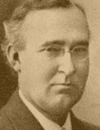
By Death We Live
The sermon explores how death and suffering are essential for spiritual growth and ultimate victory in God's kingdom.
Charles E. Cowman preaches about the concept of new life emerging from death, using the analogy of asters in a garden that appeared dead but sprouted abundantly the following season. He emphasizes that in God's kingdom, everlasting life came through death and victory through overthrow. Cowman encourages believers not to fear suffering or being overthrown, as it is through trials and challenges that individuals can become strong and impactful, contrasting with those who only pursue temporary prosperity.
Text
"As dying and behold we live" (2 Cor. 6:9).
I had a bed of asters last summer, that reached clear across my garden in the country. Oh, how gaily they bloomed. They were planted late. On the sides were yet fresh blossoming flowers, while the tops had gone to seed. Early frosts came, and I found one day that that long line of radiant beauty was seared, and I said, "Ah! the season is too much for them; they have perished"; and I bade them farewell.
I disliked to go and look at the bed, it looked so like a graveyard of flowers. But, four or five weeks ago one of my men called my attention to the fact that along the whole line of that bed there were asters coming up in the greatest abundance; and I looked, and behold, for every plant that I thought the winter had destroyed there were fifty plants that it had planted. What did those frosts and surly winds do?
They caught my flowers, they slew them, they cast them to the ground, they trod with snowy feet upon them, and they said, leaving their work, "This is the end of you." And the next spring there were for every root, fifty witnesses to rise up and say, "By death we live."
And as it is in the floral tribe, so it is in God's kingdom. By death came everlasting life. By crucifixion and the sepulchre came the throne and the palace of the Eternal God. By overthrow came victory.
Do not be afraid to suffer. Do not be afraid to be overthrown.
It is by being cast down and not destroyed; it is by being shaken to pieces, and the pieces torn to shreds, that men become men of might, and that one a host; whereas men that yield to the appearance of things, and go with the world, have their quick blossoming, their momentary prosperity and then their end, which is an end forever.--Beecher
"Measure thy life by loss and not by gain,
Not by the wine drunk, but by the wine poured forth.
For love's strength standeth in love's sacrifice,
And he who suffers most has most to give."
Sermon Outline
- I points: - Introduction to the theme of death leading to life - Illustration of the asters in the garden - Reflection on the cycle of life and death
- II points: - The significance of suffering in spiritual growth - Examples from nature and scripture - Encouragement to embrace challenges
- III points: - The paradox of loss leading to gain - Understanding victory through defeat - The eternal perspective on suffering
- IV points: - 'Call to action: Do not fear suffering' - The transformative power of trials - Living a life of sacrifice and love
Key Quotes
“By death came everlasting life.” — Charles E. Cowman
“Do not be afraid to suffer.” — Charles E. Cowman
“Measure thy life by loss and not by gain.” — Charles E. Cowman
Application Points
- Embrace challenges as opportunities for growth in your faith.
- Reflect on the beauty that can arise from loss and sacrifice.
- Measure your life by the love and sacrifices you make for others.