
Flowers in the Canyon
The sermon illustrates how life's challenges, represented by canyons, can lead to profound spiritual growth and beauty.
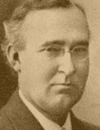
Charles E. Cowman preaches about the transformative power of hardships and struggles in our lives, using the story of Gwen and the parable of the canyon to illustrate how God uses difficult circumstances to cultivate virtues like gentleness, meekness, and longsuffering in us. Just as the canyon, with its rough rocks, eventually blossomed into a beautiful place filled with flowers and greenery, our trials and tribulations can lead to the growth of spiritual fruits like love, joy, and peace, albeit in a richer and more fragrant manner. Even in the midst of our rocky canyons, God promises that one day, our barren landscapes will bloom with His beauty and grace.
Text
"For our profit" (Heb. 12:10).
In one of Ralph Connor's books he tells a story of Gwen. Gwen was a wild, wilful lassie and one who had always been accustomed to having her own way. Then one day she met with a terrible accident which crippled her for life. She became very rebellious and in the murmuring state she was visited by the Sky Pilot, as the missionary among the mountaineers was termed.
He told her the parable of the canyon. "At first there were no canyons, but only the broad, open prairie. One day the Master of the Prairie, walking over his great lawns, where were only grasses, asked the Prairie, 'Where are your flowers?' and the Prairie said, 'Master I have no seeds.'
"Then he spoke to the birds, and they carried seeds of every kind of flower and strewed them far and wide, and soon the prairie bloomed with crocuses and roses and buffalo beans and the yellow crowfoot and the wild sunflowers and the red lilies all summer long. Then the Master came and was well pleased; but he missed the flowers he loved best of all, and he said to the Prairie: 'Where are the clematis and the columbine, the sweet violets and wind-flowers, and all the ferns and flowering shrubs?'
"And again he spoke to the birds, and again they carried all the seeds and scattered them far and wide. But, again, when the Master came he could not find the flowers he loved best of all, and he said:
"'Where are those my sweetest flowers?' and the Prairie cried sorrowfully:
"'Oh, Master, I cannot keep the flowers, for the winds sweep fiercely, and the sun beats upon my breast, and they wither up and fly away.'
"Then the Master spoke to the Lightning, and with one swift blow the Lightning cleft the Prairie to the heart. And the Prairie rocked and groaned in agony, and for many a day moaned bitterly over the black, jagged, gaping wound.
"But the river poured its waters through the cleft, and carried down deep black mould, and once more the birds carried seeds and strewed them in the canyon. And after a long time the rough rocks were decked out with soft mosses and trailing vines, and all the nooks were hung with clematis and columbine, and great elms lifted their huge tops high up into the sunlight, and down about their feet clustered the low cedars and balsams, and everywhere the violets and wind-flower and maiden-hair grew and bloomed, till the canyon became the Master's favorite place for rest and peace and joy."
Then the Sky Pilot read to her: "The fruit--I'll read 'flowers'--of the Spirit are love, joy, peace, longsuffering, gentleness--and some of these grow only in the canyon."
"Which are the canyon flowers?" asked Gwen softly, and the Pilot answered: "Gentleness, meekness, longsuffering; but though the others, love, joy, peace, bloom in the open, yet never with so rich a bloom and so sweet a perfume as in the canyon."
For a long time Gwen lay quite still, and then said wistfully, while her lips trembled: "There are no flowers in my canyon, but only ragged rocks."
"Some day they will bloom, Gwen dear; the Master will find them, and we, too, shall see them."
Beloved, when you come to your canyon, remember!
Sermon Outline
-
I
- Introduction to the concept of canyons in life
- The story of Gwen and her transformation
- The role of the Sky Pilot in guiding Gwen
-
II
- The parable of the prairie and the missing flowers
- The significance of the Master's search for flowers
- The impact of adversity on growth
-
III
- The cleaving of the prairie by Lightning
- The emergence of beauty from brokenness
- The canyon as a place of rest and joy
-
IV
- The fruits of the Spirit and their relation to the canyon
- Identifying the canyon flowers: gentleness, meekness, longsuffering
- The richness of spiritual growth in difficult times
-
V
- Gwen's realization of her own canyon
- Hope for future blooming
- Encouragement to others facing their canyons
Key Quotes
“The fruit--I'll read 'flowers'--of the Spirit are love, joy, peace, longsuffering, gentleness--and some of these grow only in the canyon.” — Charles E. Cowman
“Some day they will bloom, Gwen dear; the Master will find them, and we, too, shall see them.” — Charles E. Cowman
“Beloved, when you come to your canyon, remember!” — Charles E. Cowman
Application Points
- Embrace your challenges as opportunities for spiritual growth.
- Seek the beauty and lessons that can emerge from your struggles.
- Trust that, like flowers in a canyon, your character can bloom in difficult times.