
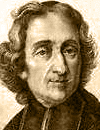
The Death of Self.
Dying to self is a necessary and painful process that requires voluntary surrender to God's sovereignty, resulting in spiritual growth and maturity.
The preacher delves into the concept of riches, emphasizing the deceitfulness of material wealth which can hinder one's reception of the Word of God. He contrasts material riches with spiritual riches, highlighting the importance of being rich in spiritual possessions even if one is poor in material possessions. The sermon explores various biblical and historical perspectives on wealth, pointing out the significance of God's kindness, glory, grace, and wisdom as true riches that believers should seek. The preacher encourages the congregation to focus on spiritual abundance and prosperity in Christ rather than being consumed by earthly possessions.
Text
LETTER IV.
The death of self.
I cannot express to you, my dear sister, how deeply I sympathize with your afflictions; but my grief is not unmixed with consolation. God loves you, since He does not spare you, but lays upon you the cross of Jesus Christ. Whatever light, whatever feeling we may possess, is all a delusion, if it lead us not to the real and constant practice of dying to self. We cannot die without suffering, neither can we be said to be dead, while there is still any part in us which is alive. That death with which God blesses the soul, pierces even to the dividing asunder of soul and spirit, and of the joints and marrow. He who sees in us what we cannot see, knows full well where the blow should fall; He takes away that which we are most reluctant to give up. Pain is only felt where there is life, and where there is life, is just the place where death is needed. Our Father wastes no time by cutting into parts which are already dead; if He sought to continue life, He would do so, but He seeks to destroy, and this He can only accomplish by cutting into that which is quick and living. You need not expect Him to attack those gross and wicked desires which you renounced forever, when you gave yourself away to Him, but he will prove you, perhaps, by destroying your liberty of soul, and by depriving you of your most spiritual consolations.
Would you resist? Ah! no! Suffer all things! This death must be voluntary, and can only be accomplished to that extent to which you are willing it should be. To resist death, and repel its advances, is not being willing to die. Give up voluntarily, then, to the good pleasure of God, all your reliances, even the most spiritual, whenever He may seem disposed to take them from you. What fearest thou, O thou of little faith? Dost thou fear that He may not be able to supply to thee from Himself, that succor which He takes away on the part of man? And why does He take it away, except to supply it from Himself, and to purify thee by the painful lesson? I see that every way is shut up, and that God means to accomplish his work in you, by cutting off every human resource. He is a jealous God; He is not willing you should owe what He is about to perform in you, to any other than to Himself alone.
Give yourself up to his plans--be led whither He will by his providences. Beware how you seek aid from man, when God forbids it--they can only give you what He gives them for you. Why should you be troubled that you can no longer drink from the aqueduct when you are led to the perennial spring itself from which its waters are derived?
Sermon Outline
- I. The Necessity of Dying to Self
- A. The cross of Jesus Christ is a call to die to self
- B. True light and feeling come from constant practice of dying to self
- II. The Pain of Dying to Self
- A. Death pierces the soul and spirit, and of the joints and marrow
- B. Pain is only felt where there is life, and where there is life, is just the place where death is needed
- III. The Sovereignty of God in Dying to Self
- A. God knows full well where the blow should fall
- B. God takes away what we are most reluctant to give up
- IV. The Call to Voluntary Surrender
- A. Death must be voluntary
- B. Resist not, but suffer all things
Key Quotes
“Pain is only felt where there is life, and where there is life, is just the place where death is needed.” — Francois Fenelon
“Give yourself up to his plans--be led whither He will by his providences.” — Francois Fenelon
“Why should you be troubled that you can no longer drink from the aqueduct when you are led to the perennial spring itself from which its waters are derived?” — Francois Fenelon
Application Points
- We must be willing to surrender our human resources and trust in God's sovereignty.
- Dying to self is a painful process, but it is necessary for spiritual growth and maturity.
- We should not be troubled when we can no longer rely on human resources, but rather trust in God's supply from Himself.