
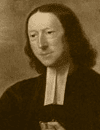
John Wesley's Explanatory Notes - Matthew 15
The sermon highlights the importance of true spiritual purity, faith, and persistence in receiving God's blessings, while also warning against the dangers of hypocrisy and prioritizing tradition over God's commandments.
John Wesley explains Matthew 15, emphasizing the conflict between human traditions and God's commandments. He highlights the importance of honoring one's parents and critiques the Pharisees for prioritizing their traditions over divine law. Wesley notes that true worship must come from the heart, as mere outward rituals are insufficient. He also discusses the faith of the Canaanite woman, illustrating that genuine faith transcends cultural boundaries. Ultimately, Wesley calls for a deeper understanding of faith and the need to rely on God's goodness.
Text
XV. 1. Mark 7:1.
Verse 2. The elders - The chief doctors or, teachers among the Jews.
Verse 3. They wash not their hands when they eat bread - Food in general is termed bread in Hebrew; so that to eat bread is the same as to make a meal.
Verse 4. Honour thy father and mother - Which implies all such relief as they stand in need of. Exodus 20:12; .
Verse 5. It is a gift by whatsoever thou mightest have been profited by me - That is, I have given, or at least, purpose to give to the treasury of the temple, what you might otherwise have had from me.
Verse 7. Well did Isaiah prophesy of you, saying - That is, the description which Isaiah gave of your fathers, is exactly applicable to you. The words therefore which were a description of them, are a prophecy with regard to you.
Verse 8. Their heart is far from me - And without this all outward worship is mere mockery of God. Isaiah 29:13.
Verse 9. Teaching the commandments of men - As equal with, nay, superior to, those of God. What can be a more heinous sin?
Verse 13. Every plant - That is, every doctrine.
Verse 14. Let them alone - If they are indeed blind leaders of the blind; let them alone: concern not yourselves about them: a plain direction how to behave with regard to all such. Luke 6:39.
Verse 17. Are ye also yet without understanding - How fair and candid are the sacred historians? Never concealing or excusing their own blemishes.
Verse 19. First evil thoughts - then murders - and the rest. Railings - The Greek word includes all reviling, backbiting, and evil speaking.
Verse 21. Mark 7:24.
Verse 22. A woman of Canaan - Canaan was also called Syrophenicia, as lying between Syria properly so called, and Phenicia, by the sea side. Cried to him - From afar, Thou Son of David - So she had some knowledge of the promised Messiah.
Verse 23. He answered her not a word - He sometimes tries our faith in like manner.
Verse 24. I am not sent - Not primarily; not yet.
Verse 25. Then came she - Into the house where he now was.
Verse 28. Thy faith - Thy reliance on the power and goodness of God.
Verse 29. The sea of Galilee - The Jews gave the name of seas to all large lakes. This was a hundred furlongs long, and forty broad. It was called also, the sea of Tiberias. It lay on the borders of Galilee, and the city of Tiberias stood on its western shore. It was likewise styled the lake of Gennesareth: perhaps a corruption of Cinnereth, the name by which it was anciently called, Numbers 34:11; Mark 7:31.
Verse 32. They continue with me now three days - It was now the third day since they came. Mark 8:1.
Verse 36. He gave thanks, or blessed the food - That is, he praised God for it, and prayed for a blessing upon it.
Sermon Outline
- I. The Hypocrisy of the Pharisees
- A. Their external cleanliness was not matched by internal purity
- B. They prioritized tradition over God's commandments
- II. The Importance of Faith
- A. True worship comes from a heart that is close to God
- B. Faith is essential for receiving God's blessings
- III. The Power of Persistence
- A. The woman of Canaan's persistent faith led to her healing
- B. Jesus' response tested her faith and encouraged her perseverance
Key Quotes
“Their heart is far from me - And without this all outward worship is mere mockery of God. Isaiah 29:13.” — John Wesley
“Every plant - That is, every doctrine.” — John Wesley
“He gave thanks, or blessed the food - That is, he praised God for it, and prayed for a blessing upon it.” — John Wesley
Application Points
- We must prioritize true spiritual purity over external appearances, ensuring our hearts are close to God.
- Faith is essential for receiving God's blessings, and we must persevere in our trust in His goodness.
- We should not prioritize tradition over God's commandments, as this can lead to hypocrisy and a lack of true spiritual understanding.