
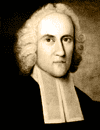
We Have Peace With God
The sermon emphasizes the importance of understanding the nature of peace with God, how it is obtained, and the benefits that come with it.
Jonathan Edwards preaches about the profound concept of having peace with God, emphasizing the nature of this peace, how it is attained, its distinguishing marks, the benefits it brings, and the necessary steps to obtain and enjoy it. He delves into the real and sensible aspects of peace with God, highlighting the believer's reconciliation and favor with the Creator, as well as the inward calm and quietness of soul that arises from a sense of union with God. Edwards also discusses the divine sources of this peace, the role of Christ's sacrifice, the union with Christ through faith, and the sanctification process that leads to a tangible peace with God.
Text
We Have Peace With God
Dated June, 1742 or 3. From Grosart's "Unpublished Writings."
Romans 5:1
... we have peace with God.
Subject: Peace with God
1. The nature of it.
2. How it is brought to pass.
3. The distinguishing marks of it.
4. The benefits of it.
5. The course that should be taken in order to it.
I. The nature of it.
Here I would observe that we ought to distinguish between that peace which is real and [which is] sensible.
The one consists in the state of the soul: the other in the sense of the soul. The one is the foundation of the other. That peace of God which is real or that consists in the state of the soul is the ground of that which consists in its sensation or apprehension. Both are called in Scripture by the name of PEACE; and are represented as the peculiar privileges of God's saints. And therefore I will something very briefly consider the nature of each.
1. That peace with God that is real is that state of a believer whereby he is in reconciliation and favor with his creator. It consists in two thing: --
1. Something negative -- viz., the removal of God's anger and displeasure... forgiveness of sin... total (Isa. 1:18) -- 'White as snow,'... compared to the unrolling of a cloud (Isa. 44:22, 23);... as though they never had been (Jer. 50:20); 'sought for and shall not be found,'... 'depths of the sea,' (Mic. 7:18);... everlasting (Jer. 31:34); "make an end of sin." (Dan. 9:24).
2. Something positive -- viz., as being received and treated as the objects of God's favor.
As the expression is used in Scripture [it is] something more than merely negative... Title. Manifestation. Treatment.
Difference between love and favor, though sometimes called by the same names -- Acceptance. Compliance . . . as entitled to a reward.
2. [That peace with God that is] sensible is that inward, holy calm and quietness of soul arising from a sense and apprehension of the soul's union with God.
A sense of this gives an inexpressibly sweet calm. This is usually intended by Christ. (John 14:27).
This is twofold: --
1. Peace of conscience or a sweet calm from a sense of the pardon of sin and acceptance with God as righteous.
Two things --
A sense of sufficiency.
An apprehension of the faithfulness of the promise.
These things give a sweet rest.
2. That rest of soul that arises from the sense or feeling of a real conformity to and union with [Christ].
Peace of confidence consists in a sense of a relative union.
That is the rest that arises from hope: this from love.
II. How the children of God come to be made partakers of this benefit.
1. The first and highest source and spring of all is from God's eternal foreknowledge... Choosing 'em, the particular persons by the Father.
Jer. 31:3 -- "Everlasting love."
The love of the Father. Giving them to the Son.
The Son owing them... predestinating of them. (Eph. 1:4).
Titus 1:2
This is the first foundation.
2. The purchase of this blessing was made by the offering that Christ made to the Father.
Prince of Peace. (Isa. 9:6). Peace on earth... Nigh by the BLOOD. (Eph. 2:14). He is our peace. In the text, peace with God through our Lord Jesus Christ.
The way. Great High Priest. Offering is but one; but it is to be variously considered.
3. The way in which we come to have an interest in this.
Purchase: and so to be actually brought into peace with God is by being united to Christ.
Threefold union.
Most immediately by a legal union... Real union foundation of legal.
Being in Christ, the believer, as it were, necessarily is a partaker.
4. The immediate efficient of this union is the Holy Spirit.
So Christ is in them, and they in Christ. (Rom. 8:9, 10).
The union is first by a communication from Christ; and this is what is communicated.
The vine is united by deriving sap: the womb by deriving life.
Thus the Holy Spirit makes application. In this respect the peace with God is from the Holy Spirit.
5. The work by which the Spirit works in the elect by which this union is effected is faith.
This is the uniting act. Therefore God looks on the sinner as one with Christ, because He has accepted of him; and his soul has united [itself to Christ].
6. The end of this union, but which the soul has sensible peace with God, is sanctification of heart and life... including faith and all other graces.
And thus it is that the Spirit of God gives sensible peace.
This is the seal of the Spirit (Eph. 1:13); earnest of the Spirit. (2 Cor. 1:22). But this 'tis a spirit of adoption.
III. Distinguishing marks of it, whereby it may be distinguished from the false appearances of it.
1. In those that have a true peace with God their sensible peace has its foundation laid in conviction.
There is a false peace.
Preparation... legal conviction.
Immediate foundation:... Spiritual conviction has its foundation in light, and not in darkness... increased by conviction.
2. In those [that have peace] that quietness and rest of soul they have is not only their comfort but their virtue or nature.(?)
3. Christ is the foundation of all.
4. In those [that have peace there is] a sense of glory and suffering precedes a sense of propriety [property, possession].
A more principal foundation.
5. ...a rest of choice and love precedes a rest of hope.
The rest of the faculties of the soul in God is the Church's God...goes before a rest in Him as our God... As a rest in His favor.
6. In those [that have peace] there is a union of heart with God and Christ, attended with an irreconcilable war with God's enemies.
IV. Benefits.
1. A being infinitely above the reach of everything that might make them men...
I say infinitely above... Infinitely strong defense... as impossible as to destroy God Himself... infinite wisdom... infinite strength engaged... infinite price... infinite truth...
Dwell "on high" ... infinitely high.
Foundation in that which is eternal: from eternity to eternity...
Oath of God. (Heb. 6:17, 18)...
2. A being at peace with all God's creatures. In different senses.
Angels... Saints... Sun, moon, stars. Beasts. Stones (Job 5:23).
Water and fire (Isa. 43:2). ... Whole creation 'groans.'
Poisonous things (Mark 16:18; Luke 10:19). ... Wicked men and devils -- All things for them (1 Cor. 3:21, 22).
3. Communion with God.
4. An holy and sweet walking and friendly conversing with God. Amos 3:3 -- "Two walk together." ... "Called you friends."
5. More and more conformity and assimilation to God.
6. Communion with saints (1 John 1:3-7).
7. An irrefragable title to eternal glory.
8. Steadfastness under the changes of life. Anchor to the soul.
A steadfast calm in the midst of storms. A steadfast meekness in the midst of oppositions.
9. A strong and conquering support and comfort under the troubles of life... Waiting our death.
10. Joy unspeakable.
V. Course to be taken in order to the obtaining this peace with God and enjoying the benefit of it.
1. a sense of the great breach...
2. A sense of their misery by reason of the breach, and the absolute necessity of reconciliation. All false rest must be destroyed. The world. Own righteousness.
3. A conviction that God may justly refuse ever to be at peace with us.
4. An eternal divorce of the heart from that which made and which maintains the breach.
5. The Prince of Peace must be resorted to and embraced.
6. An high war must be maintained with God's enemies.
7. A spirit of peace and love must rule in our hearts and lives.
This is the end of union between God and the soul. And this is the end of union between Christians, one with another. If we are much under the influences of a spirit contrary to this, we can't expect to have the sensible peace of God. But it you live in the lively exercise [of this] it will be the way to love.
The feeling of this gives sensible peace, as I observed before.
And it tends to give the other sort of sensible peace, that which consists in hope. "For perfect peace casts out fear."
Sermon Outline
- The Nature of Peace with God points: - Real peace with God is a state of reconciliation and favor with the Creator - 'Consists of two things: removal of God''s anger and displeasure, and being received and treated as objects of God''s favor'
- How Children of God Come to Be Made Partakers of This Benefit points: - The first and highest source is from God's eternal foreknowledge and choosing - The purchase of this blessing was made by Christ's offering to the Father - The way to have an interest in this is by being united to Christ
- Distinguishing Marks of It points: - Sensible peace has its foundation laid in conviction - Quietness and rest of soul is not only comfort but virtue or nature - Christ is the foundation of all
- Benefits points: - Being infinitely above the reach of everything that might make us miserable - Being at peace with all God's creatures - Communion with God
- Course to Be Taken in Order to Obtaining This Peace with God points: - Sense of the great breach between God and us - Conviction that God may justly refuse to be at peace with us - Eternal divorce of the heart from that which made and maintains the breach
Key Quotes
“The one consists in the state of the soul: the other in the sense of the soul. The one is the foundation of the other.” — Jonathan Edwards
“That peace of God which is real or that consists in the state of the soul is the ground of that which consists in its sensation or apprehension.” — Jonathan Edwards
“For perfect peace casts out fear.” — Jonathan Edwards
Application Points
- To obtain peace with God, we must acknowledge our sin and the breach between us and God.
- We must be convinced that God may justly refuse to be at peace with us, and that we need reconciliation.
- We must divorce our hearts from that which made and maintains the breach, and seek Christ as our Prince of Peace.