
In the Bible, the name Amos means "burden" or "carried" in Hebrew (from the root word עָמַס, *'āmas*). Amos was a prophet from the southern kingdom of Judah who prophesied during the reign of Jeroboam II in Israel, around the 8th century BCE. His significance lies in his role as a social critic who condemned the injustices and moral decay of the northern kingdom, emphasizing themes of social justice, divine judgment, and the need for true worship. The Book of Amos, which he authored, addresses the people of Israel and calls them to repentance, highlighting how their prosperity was built on the exploitation of the poor (Amos 5:11-12).Amos's prophetic message is particularly notable for its insistence that mere ritualistic worship is insufficient without corresponding ethical behavior. He famously states, "But let justice roll down like waters, and righteousness like an ever-flowing stream" (Amos 5:24, ESV), underscoring the need for social justice as an integral aspect of faith. His name, therefore, encapsulates the burden he carried as a messenger of God, delivering a weighty message about the consequences of national sin and the hope of restoration through genuine repentance.

Don Courville preaches on the life and character of Amos, emphasizing his humility, honesty, wisdom, boldness, and faithfulness as a prophet called by God. He illustrates how Amos, despite being a simple herdsman, was burdened with God's message for Israel and fearlessly proclaimed it, even in the f
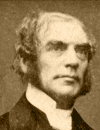
Octavius Winslow preaches about Christ's profound sympathy for weary pilgrims, emphasizing the boundless love and sacrifice of Jesus who took on our sins and burdens. He encourages believers to lean on Christ in times of trouble, reminding them that Jesus is always present to bear their sorrows and
Octavius Winslow emphasizes the profound truth that the Lord is our Burden-Bearer, inviting believers to cast their burdens upon Him for sustenance and support. He highlights Jesus' unique qualifications to bear the weight of our sins, trials, and needs, reminding us that no burden is too great for

D.L. Moody illustrates the comforting nature of Christ as a burden-bearer through a touching story of a father and his son. The son, eager to help, struggles with a heavy book and ultimately breaks down in tears when he cannot manage it alone. The father, seeing his son's distress, lovingly carries

A.B. Simpson emphasizes the importance of casting our burdens on the Lord, reminding us that while our struggles may feel overwhelming, they are light for God. He illustrates that Christ carries our burdens effortlessly, as He governs the world with strength and grace. Simpson encourages believers t

Merle Weaver shares a powerful testimony of God's work in the lives of believers, emphasizing the importance of prayer and faithfulness in the face of challenges. He recounts the story of Elijah and the promise of rain, drawing parallels to the revival efforts among the Amish community and the growi

Jim Elliot reflects on his spiritual journey and struggles in his journals, expressing a deep yearning for fervent prayer and a more impactful ministry. He grapples with feelings of discouragement and unproductiveness, questioning his effectiveness in leading others to Christ while longing for a gen

Shane Idleman addresses the question of when to respond to critics in his sermon 'When Should We Answer Our Critics?' He emphasizes the importance of discerning the motives behind criticism and the necessity of aligning responses with God's wisdom rather than worldly standards. Idleman highlights th

J. Edwin Orr reflects on his life journey, emphasizing his early conversion at nine, the challenges he faced after the loss of family members, and his unwavering commitment to evangelism despite skepticism. He recounts his extensive travels across the globe, preaching in numerous countries and estab
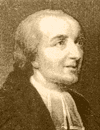
David R. Smith reflects on the life and ministry of John Fletcher, emphasizing his profound impact on the Christian faith during a turbulent time in England. Despite facing persecution and opposition, Fletcher's unwavering devotion to truth and compassion transformed the parish of Madeley, leading t