
The authority of Scripture is a foundational concept in Christian theology, asserting that the Bible is the ultimate source of truth and guidance for faith and practice. As stated in 2 Timothy 3:16, "all Scripture is breathed out by God," emphasizing the divine origin and inspiration of the biblical text. The authority of Scripture is further underscored in Psalms 119:105, where the psalmist affirms that God's word is "a lamp to my feet and a light to my path," highlighting its role in illuminating the path of believers, and in Hebrews 4:12, which describes the word of God as "living and active, sharper than any two-edged sword," emphasizing its power to transform and guide believers. This understanding of Scripture's authority has been central to Christian faith and practice throughout history, shaping doctrine, worship, and daily life.

J. Vernon McGee addresses the question of how we can be certain that the Bible is the Word of God, emphasizing the importance of both internal evidence and scriptural examination. He acknowledges the validity of the question and aims to provide a comprehensive answer through various proofs found wit
J. Vernon McGee emphasizes the concept of verbal plenary inspiration, asserting that every word of the Scriptures is divinely inspired and authoritative. He references early Church Fathers like Irenaeus and Augustine to support the belief that the Scriptures are perfect and cannot err. McGee encoura

Shane Idleman addresses the dangers of false teachers who promote a message of doing what feels good, contrasting it with the truth of God's Word. He emphasizes that true prophets align their messages with Scripture, warning against the allure of cultural acceptance and the temptation to indulge in
Shane Idleman emphasizes the importance of humility in ministry, arguing that New Testament prophets do not hold the same authority as Scripture and that titles like 'prophet' or 'apostle' can lead to arrogance and self-exaltation. He points out that the early church was primarily led by teachers, n
Shane Idleman addresses the critical question of whether the Bible represents absolute truth or mere tolerance, emphasizing the necessity of understanding and applying God's Word in a practical, impactful way. He argues that theology must be 'on fire'--alive and relevant--rather than dry and academi

John Gill addresses the debate surrounding infant baptism, arguing against the reliance on apostolic tradition as a basis for the practice. He emphasizes that the arguments presented in favor of infant baptism are not new and have been previously countered, asserting that the Bible should be the sol

R.A. Torrey presents ten compelling reasons for believing that the Bible is the Word of God, beginning with the authority of Jesus Christ, who affirmed the divine authorship of both the Old and New Testaments. He emphasizes the fulfilled prophecies, the unity of the Bible despite its diverse authors
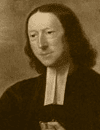
John Wesley emphasizes the gradual growth of faith and the importance of genuine expression of one's heart. He warns against the dangers of fashionable vices and stresses the necessity of seeking wisdom from God through His Word. Wesley passionately advocates for the authority of Scripture, assertin
John Gill emphasizes that the Scriptures are the sole authoritative guide in matters of faith, urging believers to seek the 'old paths' for spiritual direction. He warns against relying on human traditions, customs, or the teachings of men, asserting that true understanding and doctrine must be deri

A.W. Tozer emphasizes the enduring truth of God's Word, arguing against the modern tendency to reinterpret Scripture in light of contemporary beliefs and societal changes. He calls for a reformation in the faith of Christians, urging them to affirm the Bible's relevance and authority rather than vie
A.W. Tozer emphasizes the necessity of a discerning faith that is firmly rooted in the plain teachings of the Bible, warning against the dangers of beliefs that lack scriptural support. He critiques the reliance on anecdotal stories and weak illustrations that undermine the authority of God's Word,
A.W. Tozer emphasizes the necessity of God's inspired Word for clarity in understanding spiritual truths, arguing that without it, even the most intelligent minds can misinterpret reality. He points out that many religious individuals, despite their strong desire for knowledge, often overlook the Sc

A.B. Simpson emphasizes the supernatural nature and supreme authority of the Bible, arguing that it stands apart from all other literature and has survived countless attacks throughout history. He illustrates the Bible's enduring power through various examples, including the miraculous events it rec
A.W. Tozer emphasizes that true faith in Jesus should not be confused with commitment to a church or denomination. He advocates for a personal and direct relationship with Christ, urging believers to critically evaluate the teachings they receive from church leaders rather than accepting them blindl
A.W. Tozer emphasizes that God's message to humanity today is centered on the authority of Jesus Christ, His beloved Son, urging people to listen to Him. He points out that the rejection of this message stems from a reluctance to submit to the moral authority of God's Word, which serves as the ultim

C.H. Spurgeon addresses the concerns regarding the Baptist Union's leadership and its drift towards liberalism, particularly criticizing Dr. Clifford's association with Unitarianism and the blasphemous company he keeps. Spurgeon emphasizes that the true position of Baptist ministers remains unchange
A.W. Tozer discusses the three degrees of knowledge available to Christians, emphasizing the importance of distinguishing between common knowledge, knowledge received by faith, and knowledge gained through direct spiritual experience. He clarifies that while the first two types of knowledge can be u

Marvin Cowan discusses the claims surrounding the Book of Mormon, emphasizing that while it is presented as a second witness to the Bible, it lacks the historical and doctrinal consistency found in the Bible. He argues that the Book of Mormon does not provide new revelations or doctrines that are no

William MacDonald addresses the verse 'ye need not that any man teach you' from 1 John 2:27, clarifying that while the church faces challenges from false teachers, believers are equipped with the Holy Spirit and the Word of Truth to discern right from wrong. He emphasizes that the Gnostics, who clai
John Gill emphasizes that the prophecies in Scripture are not the result of human will but are divinely inspired by the Holy Spirit. He explains that the prophets, including Moses and David, spoke only when moved by God's influence, highlighting the authority and sacredness of the Scriptures. Gill a
John Gill emphasizes the divine authority and perfection of the Holy Scriptures, asserting that they are the inspired word of God and serve as the ultimate standard for faith and practice. He outlines the necessity of the Scriptures, their clarity, and their sufficiency for salvation, arguing that t

John Nelson Darby explores the profound implications of Christ's sacrifice and resurrection, emphasizing that while the world may not see Him now, He has triumphed over sin, death, and judgment through the cross. He warns against hindering the authority of God's word and stresses the importance of a
John Nelson Darby emphasizes the importance of recognizing the distinction between the means of communicating Christ's religion and the rule of faith, arguing that true saving faith comes solely from the direct authority of God's word. He critiques Romanism for relying on church authority rather tha
John Nelson Darby addresses the rule of faith in the church, emphasizing that true power comes from the Holy Spirit rather than human authority or tradition. He argues that the Scriptures serve as the ultimate authority for faith, and that any reliance on church authority undermines the direct relat
John Nelson Darby emphasizes the significance of Scripture in his sermon on 2 Timothy 3, asserting that all Scripture is divinely inspired and holds authority over believers. He discusses the importance of recognizing the Scriptures as the word of God, contrasting it with temporary prophecies and ad