
In the Bible, Christ is portrayed as our High Priest, a concept rooted in the Hebrews epistle, which highlights His intercessory role on behalf of believers (Hebrews 4:14-15). As High Priest, Christ offers a perfect sacrifice, Himself, to atone for the sins of humanity, and He continually intercedes for believers, providing them with confidence to approach God's throne (Hebrews 7:25, Romans 8:34). This understanding is foundational to the Christian faith, as it underscores the unique role of Christ as the mediator between God and humanity, and it is reinforced by passages such as Psalms 110:4, which prophesies the Messiah's priestly role. Through His high priestly ministry, Christ ensures that believers have direct access to God, and their sins are forgiven, enabling them to live a life of faith and obedience.
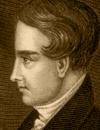
Robert Murray M'Cheyne explores the significance of the Jewish Tabernacle, emphasizing its role as a meeting place with God and a profound type of Christ. He explains that the Tabernacle, made of worldly materials, foreshadows the heavenly sanctuary established by Christ, who is the new Tabernacle.
Robert Murray M'Cheyne emphasizes the significance of the Tabernacle's service, illustrating how the priests performed their duties in the holy place and how the high priest entered the holiest of all once a year with blood for atonement. He draws parallels between the Old Testament practices and Ch
Robert Murray M'Cheyne emphasizes the significance of the Jewish Tabernacle as a shadow of Christ, illustrating how the Mosaic covenant served as a precursor to the Christian covenant. He explains that while the Tabernacle was a worldly sanctuary where God dwelled among His people, it ultimately poi
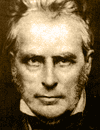
John Nelson Darby explores the significance of the tabernacle as a divine pattern reflecting heavenly realities, emphasizing that the tabernacle serves as a shadow of good things to come, revealing God's relationship with humanity through the law and priesthood. He highlights the contrast between th