
The doctrine of Christ's Deity, which affirms that Jesus Christ is fully God, is a central tenet of Christian theology. This belief is rooted in various biblical passages that assert His divine nature. For instance, in John 1:1, it states, "In the beginning was the Word, and the Word was with God, and the Word was God." This verse identifies Jesus (the Word) not only as being with God but as being God Himself, affirming His eternal existence and divine status. Additionally, Colossians 2:9 proclaims, "For in him the whole fullness of deity dwells bodily," indicating that the entirety of the divine essence resides in Christ, which underscores the belief in His full divinity.Furthermore, the New Testament presents Jesus performing divine actions, such as forgiving sins (Mark 2:5-7), which is an act reserved for God alone, and claiming eternal existence (John 8:58), where He states, "Before Abraham was, I am," echoing the divine name given in Exodus 3:14. The affirmation of Christ’s Deity is crucial for understanding the Christian faith, as it highlights the belief in His role as Savior and Redeemer, whose divine nature is essential for the efficacy of His atoning sacrifice on the cross (Hebrews 9:14). Thus, the concept of Christ's Deity is not only a doctrinal statement but also a defining characteristic that shapes the Christian understanding of God’s revelation in Jesus.

In this sermon, the preacher discusses the concept of God manifesting in flesh. He refers to the verse "In the beginning was the Word, and the Word was with God" and explains that Christ is contesting his deity by stating that he and the Father are one in purpose and power. The preacher also menti

In this sermon, the speaker discusses the significance of the colors used in the hanging for the gate of the court. The blue represents Christ's deity, as he came from heaven. The scarlet represents his humanity and the blood he shed. When combined, they create purple, symbolizing Christ's royalty a
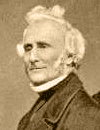
John Gifford Bellett preaches on the significance of the ark and the camp during the journey through the wilderness, emphasizing the need for the camp to guide and guard the ark, symbolizing subjection to God's will, dependence on His guidance, and conscious liberty. Bellett draws parallels between