
Clergy corruption is a grave concern that echoes throughout Scripture, highlighting the importance of integrity and accountability among spiritual leaders. In Ezekiel 34:2-4, God rebukes the shepherds of Israel for their failure to care for the flock, emphasizing that leaders must not exploit their positions for personal gain. Similarly, in 1 Timothy 6:10, Paul warns that the love of money is the root of all kinds of evil, a truth that resonates deeply within the context of clergy who may prioritize financial gain over spiritual guidance. Jesus Himself addresses the issue of hypocrisy in Matthew 23:27, where He condemns the religious leaders for their outward appearances while being inwardly corrupt. The call for purity and righteousness is further reinforced in James 3:1, reminding us that those who teach will be judged more strictly. As the church seeks to uphold the standards set forth in Scripture, it is essential to recognize the potential for corruption and to strive for a community where leaders are held accountable and led by the Spirit. Through prayer and discernment, believers are encouraged to support those who lead with integrity, ensuring that the church remains a beacon of truth and righteousness in a world often marred by deceit.
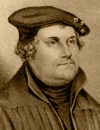
Martin Luther preaches against the abuses in the Roman Catholic Church, particularly focusing on the corruption, greed, and exploitation of power by the pope, cardinals, and bishops. He criticizes the luxurious lifestyle of the pope, the excessive wealth accumulated through practices like selling in