
Divine healing in the Bible refers to the miraculous restoration of health and well-being by God, often through prayer, faith, and the intervention of the Holy Spirit. It is rooted in the belief that God has the power to heal physical, emotional, and spiritual ailments. Numerous passages in the Bible illustrate this concept, notably in the Gospels where Jesus performed healings as a demonstration of His authority and compassion. For instance, in Matthew 4:24, it is recorded that "great crowds followed him, and he healed all who were ill." This highlights the notion that healing is part of Jesus' ministry and reflects God's love and mercy.Moreover, divine healing is also connected to the broader theological understanding of salvation and restoration. In Isaiah 53:5, it is prophesied that the suffering servant (interpreted as the Messiah) would bear our infirmities and by His wounds, we are healed, indicating a profound link between physical healing and spiritual redemption. The New Testament further emphasizes this connection in James 5:14-15, where believers are instructed to pray for the sick, indicating that faith and communal prayer can invoke God's healing power. Thus, divine healing is not only a physical restoration but also a holistic experience that encompasses spiritual renewal and God's overarching plan for humanity's restoration.

In this sermon, the preacher emphasizes the importance of obedience and faith in Jesus Christ for healing. He shares a story about Elder Brooks who was instructed by the Lord to eat everything his wife put before him, including half a pound of butter. Despite his initial reluctance, Elder Brooks obe

Aimee Semple McPherson delivers a powerful sermon on 'Divine Healing in the Word of God,' emphasizing that Jesus Christ is unchanging and continues to heal today as He did in the past. She illustrates how healing is woven throughout the Bible, from Genesis to the New Testament, and asserts that fait
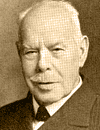
Smith Wigglesworth emphasizes the power of faith in his sermon 'Be Not Afraid, Only Believe,' urging listeners to trust in God's almightiness and the blessings that come from believing in His word. He shares personal testimonies of divine healing and the transformative power of faith, illustrating t
Smith Wigglesworth emphasizes that Jesus came to restore what was lost in the Garden of Eden, specifically freedom from sin and disease. He urges believers to allow God to cleanse their lives, asserting that true healing and victory come from the indwelling of the Holy Spirit. Wigglesworth illustrat
Smith Wigglesworth shares powerful testimonies of divine healing, recounting his own miraculous recovery from appendicitis after a visitor commanded a demon to leave him. He emphasizes the importance of glorifying God for these healings, including instances where he anointed others and witnessed the

A.B. Simpson emphasizes that what the children of God truly need is not just teaching, but the Living Bread, which is Christ Himself. He explains that mere knowledge or doctrine cannot satisfy the soul; instead, it is through abiding in Christ and receiving His life that believers are nourished, hea
Hans R. Waldvogel emphasizes the importance of having a fixed heart in faith, as exemplified by Elder Brooks, who, despite his severe illness, learned to trust in divine healing. Elder Brooks' journey from skepticism to faith illustrates how God uses trials to strengthen our hearts and lead us to tr
Smith Wigglesworth emphasizes the transformative power of the Gospel, referring to it as 'the words of this life,' which brings a vibrant faith and the presence of God into our lives. He warns against the dangers of doubt and reservation, as exemplified by Ananias and Sapphira, who missed the blessi
Hans R. Waldvogel emphasizes the necessity of faith in the process of healing, urging believers to trust in God's promises as revealed in Scripture. He reflects on his own journey of overcoming doubt and discovering the abundance of healing available through Christ, who took on our infirmities. Wald

Horatius Bonar emphasizes the profound encounter between the leper and Jesus, illustrating the leper's desperate need for healing and his faith in Christ's ability to cleanse him. The leper stands out from the crowd, recognizing his condition and approaching Jesus with worship and a plea for healing
A.B. Simpson explores the profound themes of salvation, sanctification, divine healing, and the coming of the Lord as depicted in Isaiah. He emphasizes that Isaiah's messages reveal the depth of human sin and the boundless mercy of God, inviting all to come and be healed through Christ's sacrifice.