
The concept of Divine Life in the Bible refers to the idea that believers can experience a deep, spiritual connection with God, resulting in a transformed and eternal existence. According to Scripture, this divine life is made possible through faith in Jesus Christ, who said, "I have come that they may have life, and have it to the full" (John 10:10). As Christians embody this divine life, they are empowered to live according to God's will, as expressed in Romans 8:28, which states that "in all things God works for the good of those who love him," and are comforted by the promise of Psalms 23:1, which declares, "The Lord is my shepherd, I lack nothing." Through this divine life, believers are able to experience a profound sense of purpose, joy, and fulfillment, as they walk in accordance with God's plan and presence in their lives.
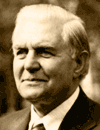
Major Ian Thomas emphasizes the profound truth that Jesus Christ is not only our Redeemer but also our life, highlighting the necessity of being born again to receive divine life through the Holy Spirit. He explains that while Jesus lived a sinless life, it was His death and resurrection that allowe

T. Austin-Sparks emphasizes the profound nature of divine life as presented in the Gospel of John, highlighting that Jesus came to give us life, which is not merely existence but a supernatural, divine essence. He explains that this life is characterized by a different nature, consciousness, and the
T. Austin-Sparks emphasizes that divine life is intrinsically linked to the person of Jesus Christ, asserting that true life cannot be separated from Him. He illustrates this through the story of a nobleman whose faith in Jesus transcended time and distance, demonstrating that Jesus' words have the
T. Austin-Sparks emphasizes the profound nature of divine life as presented in the Gospel of John, illustrating that Jesus came to offer life that is fundamentally different from human existence. He explains that this divine life is a miracle, requiring a supernatural transformation, and is essentia
T. Austin-Sparks emphasizes the significance of the tree of life as a symbol of Divine life, which is central to God's purpose for humanity. He explains that spiritual death results from disobedience and unbelief, separating man from God, the source of life. The sermon highlights that faith and obed
T. Austin-Sparks emphasizes the all-sufficient and inexhaustible nature of the life that Christ offers, as illustrated through the signs in the Gospel of John. He explains that this divine life is not only different in quality but also timeless and liberating, providing freedom from bondage and the
T. Austin-Sparks emphasizes the glory of God revealed through the resurrection of Lazarus, illustrating that Lazarus's death was part of God's divine plan to demonstrate His power over death and to establish a new Israel. The sermon highlights that Jesus allowed Lazarus to die to show that death is
T. Austin-Sparks emphasizes the urgent spiritual challenge facing the Church today, highlighting the need for believers to rely on divine authority and life rather than natural strength. He argues that the Church must recognize its impotence against the forces of darkness and embrace a spiritual exi
T. Austin-Sparks emphasizes the profound relationship between faith and life, illustrating how faith leads to spiritual enlargement, establishment, and ultimately, a deeper experience of life in Christ. He explains that true enlargement and stability in our spiritual journey come through the testing
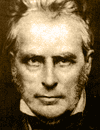
John Nelson Darby emphasizes the significance of fellowship with the Father and the Son as presented in 1 John 1, illustrating that divine life is communicated through Christ and is essential for true joy and happiness. He explains that this fellowship is rooted in the new life given to believers, w