
The biblical concept of the election of God refers to the sovereign choice of God to select certain individuals or groups for a particular purpose or relationship, as seen in Romans 8:28, where it is written that "God works all things together for good to them that love God, to them who are the called according to his purpose." This doctrine is rooted in the Old Testament, where God chose Abraham and his descendants to be His special people, as stated in Deuteronomy 7:6, "For you are a holy people to the Lord your God; the Lord your God has chosen you to be a people for His own possession." The New Testament further develops this idea, emphasizing that election is an act of God's grace, as expressed in Ephesians 1:4-5, where believers are chosen in Christ before the foundation of the world, highlighting the mysterious and loving nature of God's election.

John Gill discusses the teachings of Clement of Rome, emphasizing the doctrine of predestination and the elect of God. He highlights Clement's affirmation that God's will is sovereign and immutable, asserting that all things are accomplished according to His purpose. Gill notes that Clement identifi

In this sermon, the preacher emphasizes the importance of understanding and knowing God in order to truly worship Him. He explains that many Christians lack worship because they lack knowledge of God. The preacher then discusses the concept of predestination and how God works to make believers like

In this sermon, the speaker discusses the concept of glorification as a reward for completing the work assigned by God the Father. The ultimate thought of the whole process of salvation is seen as the electing love of God the Father. The Son came to fulfill the task given to him by the Father, as st
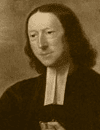
In his sermon 'On Predestination', John Wesley explores the complex theological concept of predestination as articulated by the Apostle Paul in Romans 8:29-30. He emphasizes that God's foreknowledge does not dictate human free will, asserting that individuals are accountable for their choices and th
John Gill addresses the doctrine of predestination, defending it against Mr. Wesley's objections and clarifying its biblical basis. He emphasizes that predestination encompasses God's eternal decree regarding all things, including the election of certain individuals to salvation and the reprobation
John Wesley passionately preaches on the concept of Free Grace, emphasizing that God's love and grace are freely given to all, regardless of human merit or actions. He argues against the doctrine of predestination, asserting that it undermines the essence of Christian faith and the call to holiness,
John Gill discusses the teachings of Irenaeus, emphasizing his belief in God's predestination and the divine orchestration of all events for the benefit of His church. Irenaeus asserts that even the fall of man serves a purpose in God's plan, leading to the perfection of humanity and the manifestati
John Gill discusses the theological contributions of Origen of Alexandria, particularly his views on predestination and the pre-existence of souls. He highlights Origen's belief that souls are predestined based on their previous actions, a notion that has been criticized and rejected by other theolo
John Gill discusses the teachings of Justin Martyr, emphasizing God's eternal prescience and predestination. Justin asserts that God foreknows the choices of individuals regarding faith and repentance, and that salvation is prepared for some while others face judgment due to their own choices. He cl
John Gill discusses Tertullian's contributions to the understanding of predestination, emphasizing his insights into the doctrines of election and reprobation. Tertullian, an early Christian writer from Carthage, highlights the importance of the church as the body of Christ and the necessity of dist