
The biblical concept of "Faith in Promises" is a central theme in Christian theology, emphasizing trust in God's covenantal assurances and their fulfillment. As seen in Romans 8:28, where it is written that "all things work together for good to them that love God," believers are encouraged to have faith in the promises of a sovereign God, even in the midst of uncertainty. The Psalmist also expresses this confidence in Psalms 23:1, stating "the Lord is my shepherd, I lack nothing," and in Hebrews 11:1, faith is defined as "the substance of things hoped for, the evidence of things not seen," highlighting the importance of trusting in God's promises as a fundamental aspect of the Christian faith. Through this concept, Christians are reminded to trust in God's faithfulness and providence, even when circumstances seem daunting or unclear.

John Gill emphasizes the importance of understanding God's perspective on time in his sermon on 2 Peter 3:8. He reassures believers that the delay in Christ's return should not cause doubt, as God's timing is vastly different from human understanding; a day for the Lord is like a thousand years and

In this sermon, the speaker addresses the issue of hypocrisy in religious leaders. He emphasizes that while there are strict laws for others, these leaders often have a double standard when it comes to their own actions. The speaker gives an example of a leader who was against abortion but allowed h
In this sermon, the speaker encourages the audience to do some research and Bible study to understand why Joseph and Mary did not return to Bethlehem after Jesus' birth. The speaker emphasizes the importance of having a New Testament and compares its value to that of a bottle of coke. The sermon the

David Daniel emphasizes the concept of 'An Appointed Time' based on Ecclesiastes 3, illustrating that every aspect of life has its designated season, from birth to death, planting to harvesting, and joy to sorrow. He challenges the congregation to recognize the inevitability of their appointments, p

T. Austin-Sparks emphasizes the importance of understanding that God's ways are different from our own, sharing his personal experiences of waiting on the Lord's timing. He reflects on the Apostle Paul's journey, illustrating that even good intentions must align with God's timing and methods. Sparks

Watchman Nee emphasizes the significance of God's timing and the source of our actions in his sermon 'The Heir and the Proof of Time.' He illustrates Abraham's struggle with faith and impatience as he sought to fulfill God's promise of an heir, leading to the birth of Ishmael instead of Isaac, the c

Chuck Smith emphasizes that God has set specific times for the restoration of Israel, the return of Jesus Christ, personal salvation, and even death. He highlights the prophetic significance of Israel's rebirth in 1948 and the current tensions in the Middle East as signs of God's appointed times. Sm

C.H. Spurgeon emphasizes the individuality of the prophets, particularly Amos, who speaks from his own experiences as a herdsman. He illustrates how God's purposes are always timely, using the metaphor of ripe summer fruit to signify the readiness of nations and individuals for judgment or grace. Sp
Erlo Stegen emphasizes the importance of God's perfect timing in our lives, as demonstrated during Pentecost when the Holy Spirit was poured out. He encourages believers to seek God's will rather than pursuing personal desires, highlighting that true relationship with God leads to spiritual fruitful
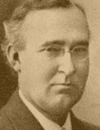
Charles E. Cowman preaches about the importance of waiting for God's appointed time, emphasizing that delays are not denials and that God has a 'Delayed Blessings Department' where He keeps certain blessings until the right moment. He encourages believers to trust in God's timing, reminding them tha