
The fulfillment of prophecy is a cornerstone of the Christian faith, demonstrating the divine inspiration and authority of the Bible. Throughout the Scriptures, prophecies are made and subsequently fulfilled, showcasing God's sovereignty and faithfulness, as seen in Isaiah 53:5, which foretells the suffering of Jesus Christ, and Psalms 22:16-18, which describes the crucifixion in vivid detail. The New Testament frequently references the fulfillment of Old Testament prophecies, such as in Matthew 2:15, which cites Hosea 11:1 to illustrate the return of Jesus from Egypt, thereby affirming the unity and cohesion of the biblical narrative. This phenomenon underscores the trustworthiness of God's Word, as expressed in Romans 8:28, where the apostle Paul affirms that all things, including the fulfillment of prophecy, work together for the good of those who love God.

Chuck Smith emphasizes the fulfillment of God's promises as illustrated in Ezekiel 37, where God revives the dry bones representing Israel, showcasing His power to restore and bring hope. He recounts the historical return of the Jewish people to their homeland and the agricultural flourishing of Isr

A.W. Pink emphasizes the significance of Matthew's Gospel as a bridge between the Old and New Testaments, highlighting its Jewish character and its role in presenting Jesus as the Messiah and King of Israel. He notes that Matthew's frequent use of the term 'fulfilled' underscores the fulfillment of

John Gill preaches on the various prophecies surrounding the birth of the Messiah, emphasizing how these prophecies were fulfilled in Jesus. He discusses the significance of the star that guided the wise men, the flight into Egypt, the massacre of infants, and Jesus' upbringing in Nazareth, all of w
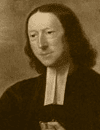
John Wesley explains the significance of the events surrounding the birth of Jesus in Bethlehem, emphasizing the role of the wise men as the first fruits of the Gentiles who recognized the fulfillment of prophecy through the star. He highlights Herod's fear and deceit as he sought to eliminate the n
John Gill emphasizes the certainty of prophecy's fulfillment, particularly regarding the coming of Christ and the establishment of His kingdom. He reflects on past prophecies that have been realized, such as Christ's ministry in Galilee, and argues that just as these have come to pass, so too will t
John Gill emphasizes the significance of Jesus' entrance into Jerusalem on an ass, fulfilling the prophecy of Zechariah 9:9. He argues that this event not only confirms Jesus as the Messiah but also highlights His roles as a king, a just savior, and a humble servant. Gill points out that the Jewish

R.A. Torrey discusses Jesus' final conversation with His disciples in Jerusalem and His ascension from Bethany, emphasizing the fulfillment of Old Testament prophecies regarding Christ's life, death, and resurrection. He highlights the importance of understanding Scripture through the Holy Spirit, t

John Nelson Darby emphasizes the significance of the genealogy of Jesus in Matthew 1, illustrating how it fulfills God's promises to Israel and highlights the divine grace amidst human sin. He notes the careful structure of the genealogy, divided into three periods, and the importance of Joseph's li
John Nelson Darby emphasizes the significance of Jesus' birth as the fulfillment of prophecies, highlighting His recognition as King of the Jews by Gentiles while the Jewish leaders remain indifferent. He illustrates how God's providence protects Jesus from Herod's plot, positioning Him as the true
John Gill preaches on the miraculous conception and birth of the Messiah, emphasizing the fulfillment of prophecies that declare the Messiah would be born of a virgin, as foretold in Isaiah 7:14. He argues that this extraordinary event is a sign of God's divine intervention and a source of hope for
John Gill discusses the prophetic office of the Messiah, asserting that Jesus is the prophet foretold in Deuteronomy 18:15. He explores the identity of the Messiah's forerunner, identifying John the Baptist as the one who prepared the way for Jesus. Gill emphasizes the prophetic work of Jesus, inclu
John Wesley expounds on Matthew 27, detailing the events leading to the crucifixion of Jesus, including the betrayal by Judas, the unjust condemnation by the Sanhedrin, and the role of Pilate in the trial. He emphasizes the fulfillment of prophecy and the significance of Jesus' suffering, highlighti

Erlo Stegen emphasizes the profound significance of Psalms 22, particularly the words of Jesus on the cross where He refers to Himself as 'a worm.' This depiction highlights the degradation He endured for our sins, illustrating how humanity's rejection and sinfulness dehumanized Him despite His divi
R.A. Torrey explores the burial of Jesus, emphasizing the certainty of His death and the significance of the events surrounding it. He discusses the meticulous precautions taken by the Jews and Roman authorities to ensure Jesus was truly dead and the implications of Joseph of Arimathea's secret disc