
The biblical concept of "Grace and Election" refers to God's sovereign and gracious choice of individuals for salvation, as emphasized in the Bible, particularly in Romans 8:28-30, where it is written that God "predestined" those who would be conformed to the image of Christ. This doctrine is rooted in the idea that salvation is a gift from God, not a result of human works or merit, as stated in Ephesians 2:8-9, which says that faith is a gift from God, and that we are saved by grace, not by works. The Psalmist also reflects on God's gracious election, declaring in Psalms 65:4 that the Lord blesses those he chooses, underscoring the theme of divine sovereignty in salvation. Through this doctrine, Christian faith emphasizes the mysterious and loving nature of God's election, which is ultimately a manifestation of his infinite grace and mercy.
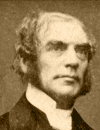
Octavius Winslow emphasizes the sovereignty and grace of God in his sermon 'Evening Thoughts - March', illustrating how God's mercy is bestowed according to His divine will, independent of human merit. He encourages believers to recognize their election and the transformative work of the Holy Spirit

In this sermon, the preacher discusses the concept of freedom and how it is not truly attainable in society. He uses the analogy of two buns on a park bench to illustrate that even in a seemingly free situation, there are limitations and compromises. The preacher emphasizes that while we may live in
In this sermon, the preacher emphasizes the holiness of God and the importance of hating sin. He describes God as actively hostile to sin and warns against being flippant about it. The preacher then reads from the book of Isaiah, describing a vision of God sitting on a throne, surrounded by seraphim
In this sermon, the preacher emphasizes that Jesus Christ is above science and all human knowledge. He states that humanity is trapped in a fallen state and unable to escape the valley of sin and despair. The preacher uses the analogy of reaching for a distant star to illustrate the futility of huma
In this sermon, the preacher discusses the book of Acts as a blueprint for the church. He emphasizes the importance of the early church's relationship with the Holy Spirit. The preacher encourages prayer for missionaries and workers who are spreading the gospel. He also highlights the need for a com
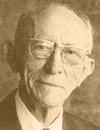
Vance Havner addresses the profound question of why God seems silent in the face of suffering and tragedy, drawing parallels to the cries of Job and the psalmists. He reflects on personal experiences of despair and the mystery of life's inequities, emphasizing that while we may not understand God's

In this sermon, the speaker emphasizes the importance of having a genuine and heartfelt relationship with God. He highlights how the prophets in the Bible, such as Hosea and Ezekiel, were used by God to demonstrate the consequences of a lack of devotion to Him. The speaker also discusses the signifi

In this sermon, the preacher focuses on the story of the Tower of Babel from Genesis chapter 11. He explains that the incident marks the end of the general history of mankind and the beginning of the focus on one of Noah's sons, Shem. The people of Babylon, who all spoke the same language, decided t

In this sermon, the preacher emphasizes the significance of the birth of Jesus Christ. The heavenly hosts rejoiced and praised God when they announced the birth of His son. The preacher highlights the problem of sin that has plagued mankind since the fall of Adam and Eve. He mentions that God had pr
In this sermon, the preacher emphasizes the indescribable and eternal gift of salvation through Jesus Christ. He urges listeners to recognize the immense value of this gift and to prioritize their relationship with Jesus above worldly desires. The preacher also highlights the importance of living in