
The biblical concept of human knowledge is a complex and multifaceted topic that underscores the limitations and potential pitfalls of human understanding, while also highlighting the importance of seeking wisdom and knowledge that is grounded in faith. As the apostle Paul notes in 1 Corinthians 8:1, "knowledge puffs up, but love builds up," suggesting that knowledge alone is insufficient without the accompanying virtues of love and humility. The Bible also emphasizes the importance of fearing God as the foundation of true knowledge, as stated in Proverbs 1:7, "the fear of the Lord is the beginning of knowledge," and in Proverbs 9:10, which reiterates this idea, emphasizing that true wisdom begins with a reverence for God. Ultimately, the Bible presents a vision of human knowledge that is deeply intertwined with faith, encouraging believers to seek a profound understanding of God's character and ways, as expressed in Psalms 119:66, where the psalmist prays for knowledge and understanding of God's commands.
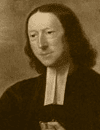
John Wesley preaches on the limitations of human knowledge, emphasizing that while the desire for knowledge is innate and insatiable, our actual understanding is confined and often leads to pride. He reflects on the vastness of God's creation and the mysteries of His providence, highlighting that ou

G.W. North delivers a powerful sermon on Acts 27, illustrating the metaphor of a shipwreck as a representation of the human soul's struggle against sin and the need for salvation. He emphasizes the importance of listening to God's voice over the voices of worldly wisdom, as exemplified by Paul's war

Dennis Kinlaw emphasizes the profound relationship between faith and action through the story of Abraham, illustrating that true faith is demonstrated by deeds. He highlights that Abraham's willingness to sacrifice Isaac was not just a test of faith but a revelation of his deep trust in God, who ult
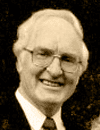
Aeron Morgan emphasizes the transcendence and majesty of God, El Elyon, as revealed in Psalms 91. He highlights the security and refuge found in God for those who trust in Him, contrasting the despair of Psalms 90 with the hope and assurance in Psalms 91. Morgan encourages believers to dwell in the

S. Lewis Johnson explores the story of Joseph's rise from prison to prime minister in Egypt, emphasizing God's providence and the importance of trusting in Him rather than in human wisdom. Joseph interprets Pharaoh's dreams, revealing a coming famine and a plan for survival, demonstrating his faithf

Robert Constable addresses the issue of worry and anxiety, emphasizing that it is a sin that many justify but must be confronted. He references Matthew 6, where Jesus commands us not to worry about our needs, reminding us of God's provision and care. Constable highlights that worry indicates a lack
Robert Constable addresses the issue of discouragement, emphasizing that it often stems from self-occupation and the burdens we take upon ourselves. He illustrates this through the experiences of biblical figures like Moses, Elijah, and Jeremiah, who faced discouragement despite their close relation

Basilea Schlink emphasizes the importance of childlike trust in God, especially during times of sorrow and judgment. She encourages believers to praise God from the depths of their struggles, asserting that true worship comes from surrendering to Him even when circumstances are difficult. Schlink hi

In his sermon, Chuck Smith discusses King David's emotional journey as he sets out to thwart the rebellion of his son Absalom. David, accompanied by his loyal followers, mourns and weeps as he ascends the Mount of Olives, reflecting on his past sins and the betrayal he faces from those he once trust
Keith Simons teaches on Psalm 40, emphasizing its themes of rescue and salvation. He explains how David, in a desperate situation, patiently waited for God's help and ultimately experienced divine deliverance. The psalm illustrates the importance of trusting in God, obeying His commands, and proclai