
The concept of "Idolatry of the Heart" refers to the biblical idea that idolatry is not just a physical act, but also a spiritual and emotional one, where one's heart and affections are directed towards something or someone other than God. According to the Bible, this type of idolatry can manifest in various forms, such as covetousness (Colossians 3:5) and self-reliance, which can lead individuals to prioritize their own desires and interests above their relationship with God. As the apostle Paul warns in Ephesians 5:5, those who practice idolatry, including the idolatry of the heart, will not inherit the kingdom of God, emphasizing the need for believers to guard their hearts and minds against such temptations, as encouraged in Proverbs 4:23. Ultimately, recognizing and repenting of idolatry of the heart is essential for maintaining a sincere and devoted relationship with God, as emphasized in Matthew 22:37, where Jesus commands believers to love God with all their heart, soul, and mind.
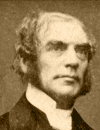
Octavius Winslow emphasizes the unparalleled nature of Christ, urging believers to recognize His supreme worth compared to all earthly distractions and rivals. He explores the contrasts between Christ and the idols of self, the world, and the creature, asserting that nothing can compare to the glory

T. Austin-Sparks emphasizes the greatness and glory of Jesus Christ, illustrating this through the symbolism of the ark of the covenant in the Old Testament. He explains that the ark represents God's supremacy and the unique nature of Christ, who embodies the holiness, power, and grace of God. Spark

A.B. Simpson emphasizes the supremacy of Christ in all aspects of life as depicted in Colossians, asserting that Christ is central to the Trinity, creation, providence, truth, redemption, and the life of believers. He illustrates how Christ embodies the fullness of God and is the source of wisdom an
T. Austin-Sparks emphasizes the centrality and supremacy of Christ in the believer's life, arguing that true Christian activity should focus solely on preaching Christ rather than promoting movements, institutions, or teachings. He asserts that the church's existence is contingent upon the revelatio
T. Austin-Sparks emphasizes the centrality and supremacy of Christ in the life of the believer, explaining that Christ is not only present within but is the very essence of the believer's life. He discusses how believers must recognize Christ as their life source, moving away from legalism and embra
A.B. Simpson emphasizes the significance of Jesus Christ as the Apostle and High Priest of our profession, as highlighted in Hebrews 3:1. He explains that God has spoken to humanity through His Son, Jesus, who is superior to Moses, Joshua, and the angels, serving as the ultimate messenger of God's t