
Judgment and destruction are profound themes woven throughout Scripture, reflecting God's holiness and justice. The Bible teaches that God's judgment is both a present reality and a future certainty, as seen in Hebrews 9:27, which states, "It is appointed for man to die once, and after that comes judgment." This judgment is not arbitrary; it is rooted in God's righteous character, as expressed in Psalms 89:14, where it says, "Righteousness and justice are the foundation of your throne; steadfast love and faithfulness go before you." The destruction of Sodom and Gomorrah serves as a poignant example of divine judgment, illustrating the consequences of sin and rebellion against God, as recounted in Genesis 19. The folly of looking back, as highlighted in the sermon "The Folly of Looking Back in Fleeing Out of Sodom," draws from Jesus' warning in Luke 17:32: "Remember Lot's wife," who looked back and faced destruction. Ultimately, while judgment brings destruction, it also serves as a call to repentance and faith, reminding us of the hope found in Christ, who bore our judgment on the cross, as stated in Romans 8:1, "There is therefore now no condemnation for those who are in Christ Jesus." Through understanding judgment and destruction, believers are encouraged to live in light of God's grace and to seek His kingdom with urgency.
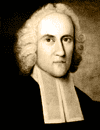
Jonathan Edwards preaches about the folly of looking back when fleeing out of Sodom, drawing parallels between the destruction of Jerusalem and the end of the world to the judgments on the days of Noah and Lot. He emphasizes the urgency of fleeing sin and the importance of not looking back, using Lo