
Lovingkindness is a central theme in the Bible, particularly in the Old Testament, where it is often translated from the Hebrew word "chesed," denoting God's steadfast and unwavering love for His people. This concept is beautifully exemplified in Psalms 23:1, where David declares, "The Lord is my shepherd, I lack nothing," illustrating the depth of God's lovingkindness and care for His children. In Psalms 103:4, David further expounds on this theme, stating that God "redeems your life from the pit and crowns you with love and compassion," highlighting the redemptive nature of God's lovingkindness. As seen in Romans 8:28, this lovingkindness is also evident in the New Testament, where Paul writes that "in all things God works for the good of those who love him," demonstrating the enduring and transformative power of God's lovingkindness in the lives of believers.

C.H. Spurgeon emphasizes that while the law and judgment may initially drive us towards Christ, it is ultimately His lovingkindness that draws us in and transforms our hearts. He illustrates this through the parable of the prodigal son, highlighting the father's eager embrace and forgiveness, which

S. Lewis Johnson explores the significance of Abram's call in Genesis, emphasizing the themes of divine election and effectual calling. He highlights Abram's background in Ur of the Chaldees, where he and his family worshipped other gods, illustrating the transformative power of God's call. Johnson

A.W. Pink emphasizes the profound nature of God's grace in his sermon on 1 Peter 5:10-11, illustrating how God's effectual call brings believers from darkness into His marvelous light. He explains that this calling is rooted in God's eternal purpose and is a testament to His unchanging love and grac

John Gill expounds on the doctrine of effectual calling, emphasizing its distinction from regeneration while highlighting their close connection. He explains that effectual calling is a divine invitation to salvation that is both external, through the ministry of the Word, and internal, by the Holy
In this sermon on the book of Genesis, the preacher focuses on the story of Abram and his journey back to the holy land after facing difficulties in Egypt. Despite Abram's previous failures and humiliation, God shows him mercy and restores him to divine fellowship. As Abram returns to the land, stri

In this sermon, the speaker begins by referencing 2 Corinthians 4:6, which speaks about God shining His light in our hearts to reveal the knowledge of His glory. The speaker then recalls the concept of devotion and the example of the Nazarite, whose compulsions always came from before him. The sermo

In this sermon, Pastor Chuck Smith discusses the covenant that God made with Abram in Genesis 15. He explains that cutting animals in half and laying them out was a method of making a covenant in ancient times. God tells Abram that his descendants will be strangers in a foreign land and will be affl
In this sermon, Pastor Chuck Smith continues his study of Abram's concern about not having any children. God reassures Abram that his descendants will be strangers in a foreign land for 400 years, but they will eventually come out with great possessions. God also reveals that a biblical generation i
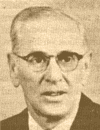
Rolfe Barnard emphasizes the profound impact of heart faith in divine election, illustrating how true understanding of God's grace leads to a transformative experience rather than mere doctrinal knowledge. He critiques the complacency of modern churchgoers who mistake privilege for responsibility, u
A.W. Pink emphasizes the significance of David's youth in God's redemptive plan, illustrating how David was chosen by God as a king despite being the least likely candidate. This selection highlights God's preference for the humble and the overlooked, as seen in David's shepherding role and his fait